Writing is a fundamental skill that sets the stage for children’s overall academic success. However, finding the right tools to support literacy development in preschoolers can be challenging. That’s where Writing Sheets For Pre K come into play. These targeted resources help young learners practice their writing skills in a fun and engaging way. Not only do they provide structured practice, but they also encourage creativity and expression, making the learning process enjoyable.
Understanding the Importance of Writing Sheets
Writing sheets are more than just blank pages. They are designed specifically for preschoolers to strengthen their fine motor skills, letter recognition, and writing abilities. With the right writing sheets, children can learn how to form letters correctly and develop their handwriting skills. This is especially crucial for pre-kindergarten learners, as they are at a pivotal stage in their development.
In contrast to generic worksheets that may not cater specifically to young learners, writing sheets for pre K often incorporate colorful designs, engaging themes, and varied activities that grab children’s attention. This targeted approach helps to make writing practice more effective and enjoyable.
Features to Look for in Writing Sheets For Pre K
When choosing writing sheets for preschoolers, consider the following features to ensure they meet educational objectives:
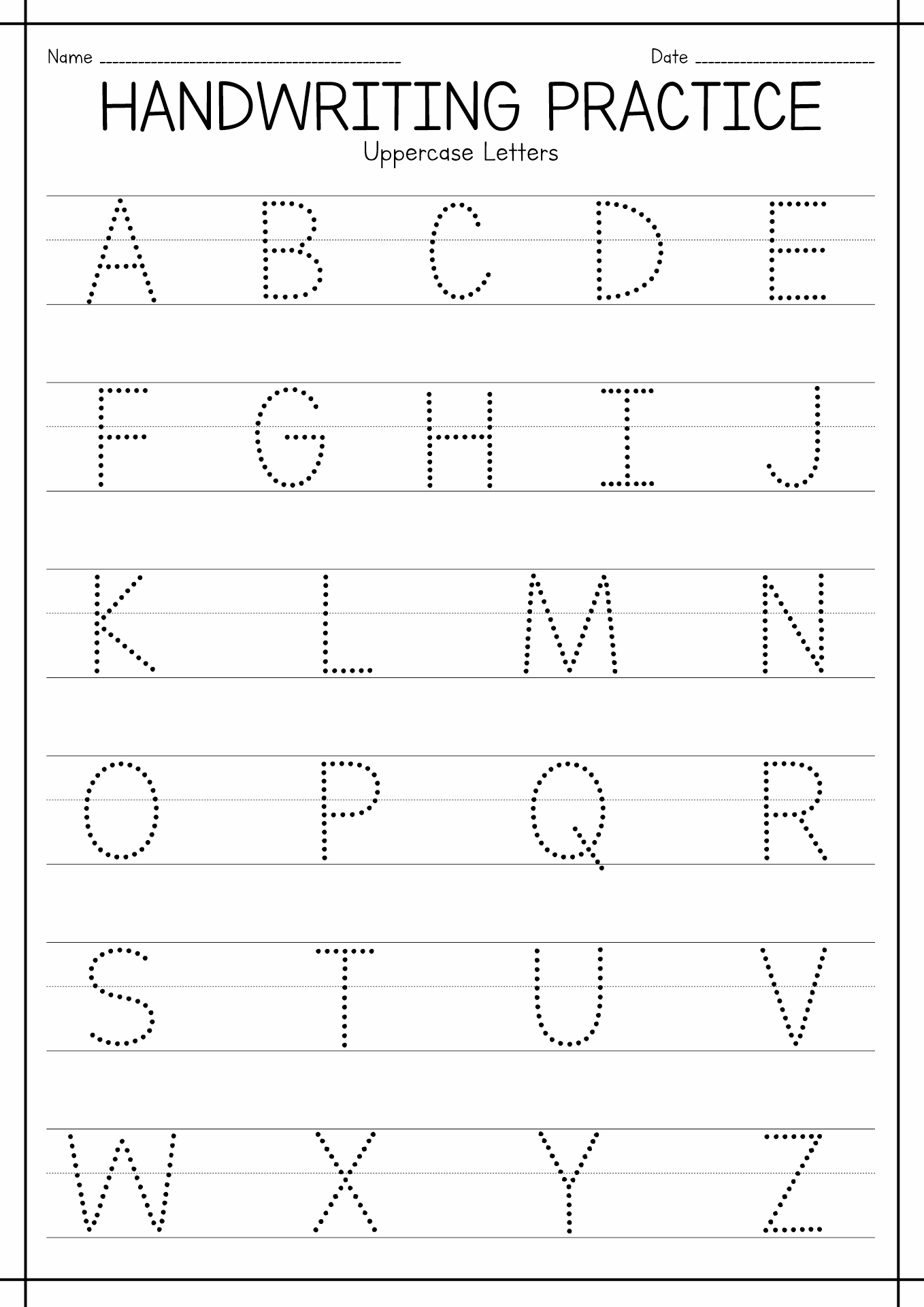
- Letter Tracing: Look for sheets that allow children to trace letters. This helps them learn proper letter formation while developing their motor skills.
- Fun Themes: Themed sheets that align with holidays, seasons, or popular children’s characters can make the writing experience more engaging.
- Visual Aids: Incorporating pictures alongside letters can help children associate letters with sounds, enhancing their phonetic understanding.
- Variety of Activities: Sheets that include different types of writing activities, such as drawing, spelling simple words, or filling in the blanks, can keep children interested and motivated.
- Space for Creativity: Writing sheets that provide blank areas for children to create their own drawings or stories can foster creativity and imagination.
How to Use Writing Sheets Effectively
To maximize the benefits of Writing Sheets For Pre K, here are some practical strategies for teachers and parents:
- Daily Practice: Integrate writing sheets into your daily routine. Even a few minutes each day can significantly improve a child’s writing skills over time.
- Set Clear Goals: Establish specific writing goals for each session. For example, focus on mastering a particular letter or word.
- Provide Positive Reinforcement: Celebrate progress, no matter how small. Positive feedback encourages children to continue practicing and learning.
- Incorporate Group Activities: Use writing sheets in group settings where children can work together. This promotes social interaction and collaborative learning.
- Create a Writing Corner: Set up a dedicated space in your classroom or home where children can freely explore writing sheets and other writing materials.
Types of Writing Sheets Available
There are various types of writing sheets available that cater to different learning styles and objectives. Here are some popular options:
Tracing Sheets
These sheets typically feature dotted outlines of letters and numbers for children to trace. They are great for beginners as they provide a clear model for correct letter formation.
Creative Writing Prompts
Some writing sheets include prompts that encourage children to write stories or sentences. This type of sheet stimulates imagination and helps develop narrative skills.
Themed Worksheets
Themed writing sheets focus on specific topics, such as animals, seasons, or holidays. These can make writing practice more relevant and interesting for young learners.
Blank Writing Pages
These pages provide freedom for children to write or draw whatever they choose. This is a wonderful way to encourage creativity and self-expression.
Integrating Writing Sheets Into a Broader Curriculum
Using Writing Sheets For Pre K can seamlessly fit into a broader preschool curriculum. Here’s how you can integrate them effectively:
- Link to Phonics Lessons: Pair writing sheets with phonics lessons. For instance, if a lesson focuses on the letter “A,” use a tracing sheet that highlights that letter.
- Enhance Storytelling: After reading a story, provide children with themed writing sheets related to the story’s characters or events. This reinforces comprehension and encourages them to express their thoughts.
- Coordinate with Art Projects: Combine writing sheets with art activities. For example, after children create artwork, they can write a few sentences about their creations on a blank writing page.
Tips for Printing and Using Writing Sheets
Before you print, here are some practical tips to ensure the best results:
- Choose the Right Paper: For durability, consider using cardstock, especially if children will be using markers or paints.
- Use Landscape Orientation: Many writing sheets are designed to be printed in landscape format, which provides more space for writing.
- Check Printer Settings: Make sure your printer settings are adjusted for optimal quality. This ensures that lines are clear and easy to follow.
- Laminating for Reusability: If you want to reuse certain sheets, consider laminating them. Children can then use dry-erase markers for practice, which makes them easy to wipe clean.
Challenges and Solutions
While using writing sheets can be beneficial, there can be challenges:
- Lack of Interest: If children show disinterest, try rotating different themes or styles of writing sheets to keep things fresh and exciting.
- Difficulty with Motor Skills: Some children may struggle with holding writing instruments. Offering larger, easier-to-hold pencils or crayons can help alleviate this.
- Overwhelming Choices: With so many options available, it can be hard to choose the right sheets. Focus on a few key types that align with your learning objectives and build from there.









