Assessing students’ understanding of uppercase and lowercase letters is crucial in early literacy development. An Upper And Lowercase Letter Assessment helps teachers gauge students’ abilities in recognizing and writing letters correctly. This article explores practical methods and resources that will empower you to implement effective assessments in your classroom.
Understanding the Importance of Letter Assessment
Why assess letter recognition? Mastery of uppercase and lowercase letters is foundational for reading and writing. When students can differentiate between the two cases, they become more confident in their literacy skills. Regular assessments help you identify areas where students may struggle and allow for tailored instruction.
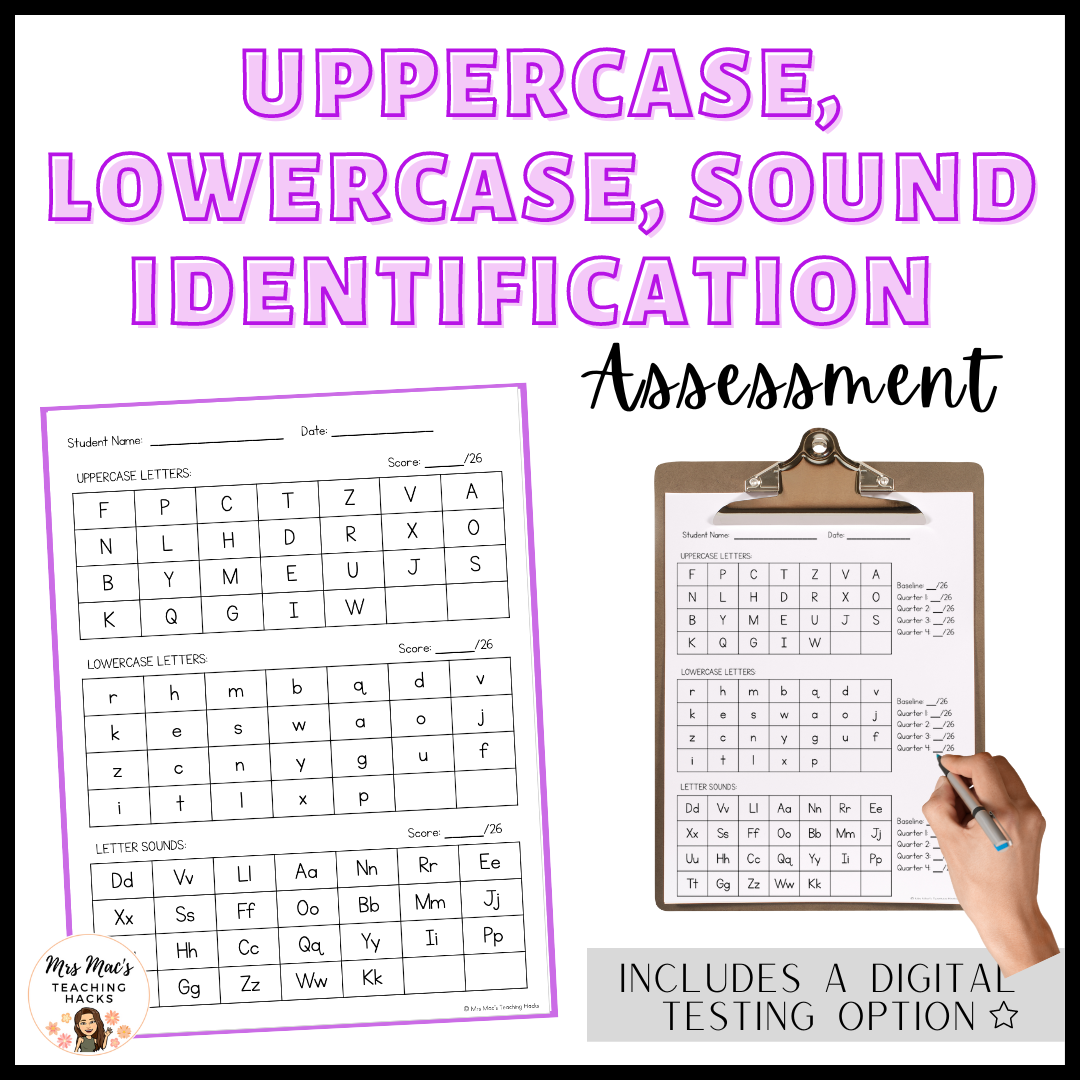
An effective Upper And Lowercase Letter Assessment should cover letter recognition, letter formation, and the ability to match uppercase letters with their lowercase counterparts. This approach not only helps in identifying gaps in knowledge but also reinforces learning through practice.
Types of Assessments
There are several methods to assess uppercase and lowercase letter recognition. Here are some effective types:
1. Written Assessments
Written assessments can be as simple as worksheets where students are asked to write both uppercase and lowercase letters. You can create a worksheet that includes:
- A row of uppercase letters for students to copy in lowercase.
- A row of lowercase letters for students to copy in uppercase.
- A section for students to identify and circle letters of each case within a text.
These worksheets can be easily printed and distributed, making them a practical tool for quick assessments.
2. Interactive Assessments
Using interactive methods can be more engaging for young learners. Consider these approaches:
- Flashcards: Create a set of flashcards with uppercase letters on one side and lowercase on the other. Have students match the pairs or read them aloud.
- Digital Games: Online platforms offer interactive games focused on letter recognition. These can be a fun way for students to practice while allowing you to track their progress.
3. Oral Assessments
Oral assessments provide an opportunity for students to demonstrate their knowledge verbally. You might ask students to:
- Identify letters you show them on flashcards.
- Spell their names using uppercase and lowercase letters.
- Recite the alphabet while emphasizing the different cases.
Oral assessments can give you insight into a student’s understanding that written assessments may not capture.
Creating Effective Printable Resources
To support your Upper And Lowercase Letter Assessment, you can create or download specific printable resources tailored to your students’ needs. Here are some ideas:
1. Worksheets
Design worksheets that cover various aspects of letter recognition. Include sections for:
- Tracing letters: Provide dotted outlines for students to trace both uppercase and lowercase letters.
- Matching activities: Create a section where students draw lines connecting uppercase letters to their lowercase counterparts.
2. Assessment Checklists
An assessment checklist can help you keep track of each student’s progress. Include criteria such as:
- Recognizes all uppercase letters.
- Recognizes all lowercase letters.
- Correctly writes uppercase letters.
- Correctly writes lowercase letters.
You can easily create this checklist in a printable format to use during assessments.
3. Coloring Pages
Incorporate fun into assessments with coloring pages that feature both uppercase and lowercase letters. Students can color the letters while practicing recognition. This method keeps learning light and enjoyable.
Incorporating Assessments Into Daily Routines
Integrating letter assessments into your daily routine can enhance learning without overwhelming your students. Here are some suggestions:
1. Daily Letter Practice
Start each day with a quick letter review. Spend a few minutes on letter recognition games or activities. This can set a positive tone for the day and reinforce their learning consistently.
2. Weekly Assessments
Consider implementing a weekly assessment where students can demonstrate their knowledge in a relaxed environment. This could be a fun quiz or a group activity where they work together to identify letters.
3. Family Involvement
Encourage parents to participate in their child’s learning by sending home printable resources. Provide them with simple activities to do at home that reinforce what students are learning in class.
Evaluating Assessment Results
After conducting your Upper And Lowercase Letter Assessment, it’s essential to evaluate the results effectively. Here’s how you can do that:
1. Analyze Patterns
Look for common patterns in the results. Are there specific letters that many students struggle with? This information can guide your future lessons and help you focus on areas that need more attention.
2. Individual Feedback
Provide individual feedback to each student. Highlight their strengths and areas for improvement. Encourage them to practice the letters they find challenging.
3. Adjust Instruction
Use the assessment results to adjust your teaching strategies. If a significant number of students are struggling, consider revisiting certain concepts or introducing new methods to reinforce learning.
Resources for Upper And Lowercase Letter Assessment
You don’t have to create everything from scratch. Numerous resources are available for teachers looking to enhance their Upper And Lowercase Letter Assessment strategies. Here are a few to consider:
- Printable Worksheets: Websites offer a variety of printable worksheets focused on letter recognition that can be tailored to different grade levels.
- Educational Apps: There are several educational apps designed for early literacy that can aid in letter recognition and practice.
- Teacher Blogs: Many educators share their successful assessment strategies and printable resources through blogs. These can be great sources for inspiration and practical tools.
By utilizing these resources, you can create a comprehensive approach to letter assessment that caters to the diverse needs of your students.









