When it comes to teaching young learners, Uppercase And Lowercase Alphabet Worksheets are invaluable resources. These worksheets not only help children recognize and differentiate between uppercase and lowercase letters, but they also support the development of writing skills. You’ll find that incorporating these worksheets into your lesson plans can enrich your classroom or homeschooling experience. Here’s how to make the most of these practical, printable worksheets.
Understanding the Importance of Uppercase and Lowercase Letters
Before diving into the worksheets, it’s essential to understand why teaching both uppercase and lowercase letters is crucial. Children typically learn to recognize uppercase letters first, as these letters are often used at the beginning of sentences and for proper nouns. Lowercase letters, however, make up the majority of text in written English. Mastery of both forms is essential for reading fluency and writing proficiency.
The worksheets you choose should reflect this dual focus. Look for resources that provide clear distinctions between the two forms, allowing children to practice identifying, writing, and using both.
Types of Uppercase And Lowercase Alphabet Worksheets
There are various types of worksheets available, each catering to different skill levels and learning styles. Here are some common formats:
- Tracing Worksheets: These sheets allow children to trace both uppercase and lowercase letters. Tracing helps develop fine motor skills and reinforces letter formation.
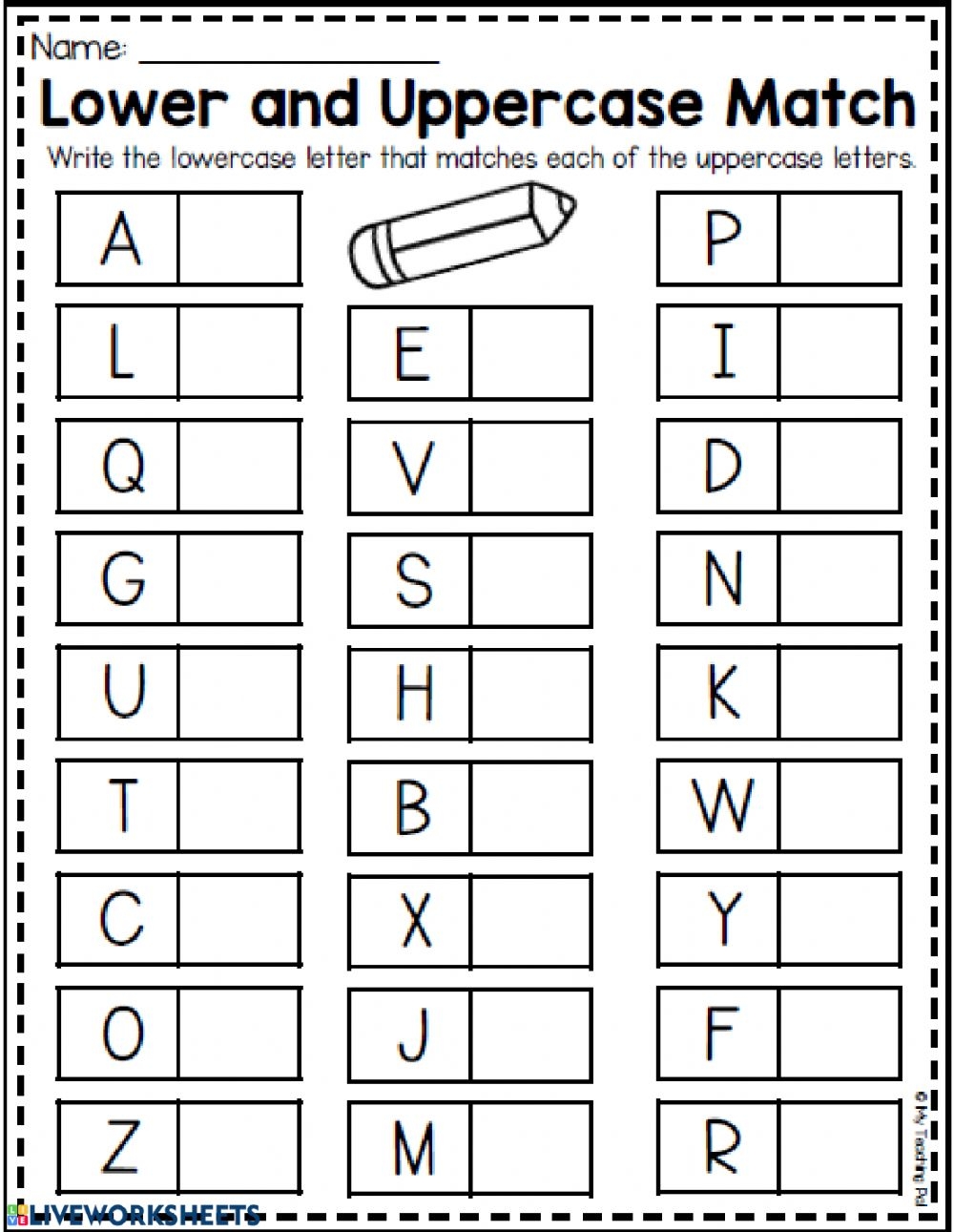
- Matching Worksheets: These worksheets require students to match uppercase letters with their lowercase counterparts. This activity enhances recognition skills and memory.
- Fill-in-the-Blank Worksheets: These encourage children to fill in missing letters in words, helping them learn the context in which both forms are used.
- Coloring Worksheets: Combining creativity with learning, these worksheets allow children to color letters while reinforcing recognition.
When selecting worksheets, consider the age and skill level of your students. Kindergarteners will benefit from more guided activities, while first graders may be ready for independent exercises.
Practical Tips for Printing and Using Worksheets
Once you’ve selected the appropriate Uppercase And Lowercase Alphabet Worksheets, it’s time to prepare them for use. Here are some practical tips:
- File Format: Most worksheets will be available in PDF format, which is ideal for printing. PDFs maintain formatting, ensuring that your worksheets look as intended.
- Paper Choices: For worksheets that will be written on, standard printer paper (8.5 x 11 inches) is usually sufficient. If you plan to laminate them for repeated use, consider using cardstock. Cardstock is thicker and can withstand wear and tear, especially in a busy classroom or home setting.
- Printer Setup: Make sure your printer settings are correct before printing. Select “portrait” orientation for most worksheets, and ensure that the paper size matches your selected format. This will help avoid any cropping issues.
- Color vs. Black and White: While color printing can enhance the visual appeal of worksheets, black and white printing is cost-effective. Keep in mind that younger children may enjoy coloring their worksheets, so consider printing in color if you have the resources.
Incorporating Worksheets Into Your Teaching Plan
Using Uppercase And Lowercase Alphabet Worksheets effectively requires more than just handing them out. Here’s how to integrate them into your teaching plan:
- Daily Practice: Instead of expecting children to complete all worksheets in one sitting, spread the activities across the week. This repetition reinforces learning and helps children retain the information better.
- Group Activities: Turn worksheet time into a collaborative effort. Have students work in pairs or small groups to complete matching or fill-in-the-blank exercises. This encourages discussion and peer learning.
- Interactive Learning: Pair worksheets with hands-on activities. For instance, you can create a scavenger hunt where children find items that start with specific letters, reinforcing their learning while keeping it fun.
- Assessment Tool: Use these worksheets to gauge student understanding. You can observe how well they perform and identify areas where they may need additional support.
Adapting Worksheets for Diverse Learning Needs
Every child learns differently, and it’s crucial to adapt your worksheets to meet diverse learning needs. Here are some strategies:
- Visual Supports: For visual learners, consider adding images alongside letters. This can create associations between letters and words, enhancing memory.
- Multi-Sensory Activities: Encourage children to use different materials when practicing letters. For example, they can use sand, play dough, or finger paints to form letters. This tactile experience can be particularly beneficial for kinesthetic learners.
- Differentiation: Offer varying levels of complexity in worksheets. Some students may need basic tracing, while others are ready for more challenging fill-in-the-blank exercises. Tailor the worksheets to suit each child’s needs.
Resources for Finding Printable Worksheets
Finding high-quality Uppercase And Lowercase Alphabet Worksheets is easier than you might think. Here are some reliable resources to explore:
- Educational Websites: Websites dedicated to educational resources often have a wide variety of printable worksheets available for free or for a small fee. Look for sites that specialize in early childhood education.
- Teacher Resource Platforms: Many platforms allow teachers to share their materials. You can find unique worksheets created by other educators that may not be available elsewhere.
- Social Media Groups: Joining groups focused on early childhood education can provide you with access to shared resources, including worksheets. Many teachers are willing to share their creations.
- Printable Resource Websites: Websites focused on printable resources often have dedicated sections for alphabet worksheets. You can browse categories to find exactly what you need.
Next Steps for Effective Use
Once you’ve printed your Uppercase And Lowercase Alphabet Worksheets, consider how to use them in your teaching strategy. Gather your materials, plan your lesson, and think about the best ways to engage your students. Don’t forget to encourage creativity and exploration as they learn.
By implementing these worksheets thoughtfully, you can create a dynamic learning environment that fosters alphabet recognition and writing skills in young learners. With a bit of preparation and creativity, you’ll find that these resources can significantly enhance your teaching toolkit.









