Fine motor skills are essential for preschoolers as they lay the foundation for future learning. One effective way to develop these skills is through the use of practice cutting sheets for preschoolers. These resources not only engage children in a fun activity but also help them learn to control scissors, which is a critical skill for their development. In this guide, we’ll explore what practice cutting sheets are, how to use them effectively, and where to find quality resources.
Understanding Practice Cutting Sheets
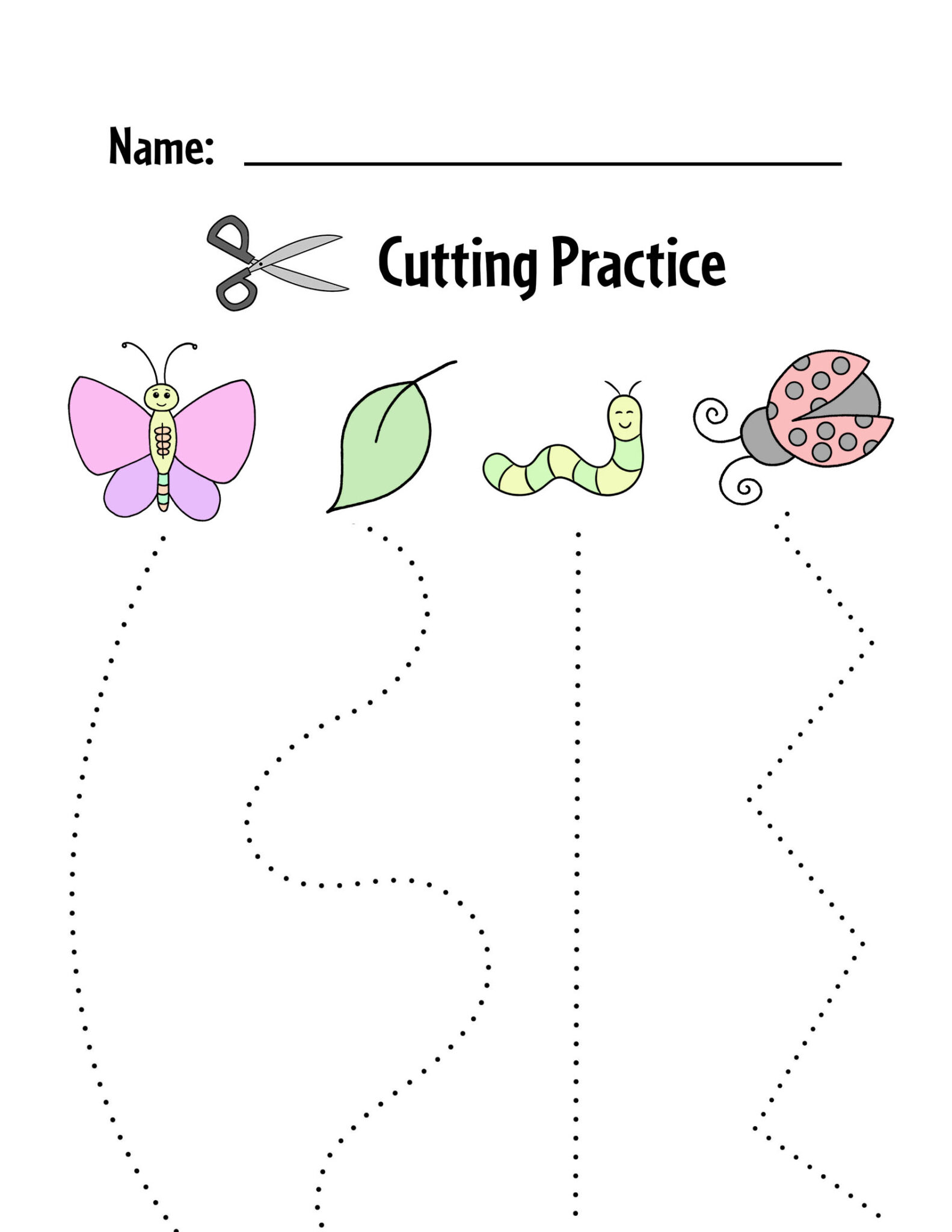
Practice cutting sheets are specially designed printable pages that feature various shapes, lines, and images for children to cut along. These sheets are tailored to different skill levels, making them suitable for a range of preschool-aged children. They typically include straight lines, zigzags, and curves, gradually increasing in complexity to challenge children as they improve.
These resources are invaluable for teachers and parents alike, providing structured practice that is both educational and enjoyable. When children use cutting sheets, they not only enhance their scissor skills but also improve their hand-eye coordination and concentration.
Benefits of Using Cutting Sheets
Incorporating practice cutting sheets into preschool activities offers multiple benefits:
- Fine Motor Development: Regular use of scissors helps strengthen the small muscles in a child’s hands and fingers, which is crucial for writing and other tasks.
- Focus and Concentration: Cutting requires attention and precision, helping children to develop their ability to focus on tasks.
- Creativity and Imagination: Many cutting sheets feature designs that encourage children to create their own art by combining cutting with coloring or gluing.
- Confidence Building: Completing cutting tasks successfully boosts children’s confidence in their abilities.
By using these sheets regularly, educators can create a structured environment that supports skill development in a fun way.
Choosing the Right Practice Cutting Sheets
When selecting practice cutting sheets for preschoolers, consider the following factors:
- Skill Level: Start with simpler designs for beginners, such as straight lines, and progress to more complex shapes as their skills improve.
- Theme and Engagement: Look for sheets that feature themes your children are interested in, such as animals, vehicles, or seasonal motifs. This makes the activity more engaging.
- Quality of Design: Well-designed sheets should have clear lines and sturdy shapes to make cutting easier for little hands.
- Format: Ensure the sheets are available in a printable format, such as PDF, for easy access and printing.
You can often find a variety of cutting sheets online. Many educational websites offer free or low-cost downloads that are perfect for classroom or home use.
How to Use Practice Cutting Sheets Effectively
To maximize the benefits of practice cutting sheets, follow these steps:
- Prepare the Environment: Set up a clean, well-lit area with enough space for children to work comfortably. Provide child-safe scissors and paper for practice.
- Demonstrate Proper Scissor Use: Show children how to hold scissors correctly. Emphasize the importance of keeping fingers away from the blades and cutting paper safely.
- Introduce the Cutting Sheets: Explain the activity clearly. Point out the lines and shapes they will be cutting. Encourage them to follow the lines closely for best results.
- Monitor Progress: As children work, walk around to provide assistance and encouragement. Offer tips if they struggle, such as suggesting they cut slowly or turn the paper to make cutting easier.
- Encourage Creativity: Once they finish cutting, invite them to use the cut-out shapes in a creative project. They can glue them onto a larger piece of paper and decorate their artwork further.
- Provide Positive Feedback: Celebrate their accomplishments, no matter how small. Positive reinforcement will motivate them to continue practicing.
Finding Quality Resources
There are numerous online platforms where you can find practice cutting sheets for preschoolers. Here are some popular sources:
- Educational Websites: Many sites dedicated to early childhood education provide free downloadable cutting sheets. Look for those that offer a variety of themes.
- Printable Resource Platforms: Websites that specialize in printable resources often have extensive collections tailored for preschoolers. Check if they have user reviews to gauge quality.
- Teacher Resource Blogs: Many educators share their own creations online. These can be unique and may include innovative designs that aren’t available elsewhere.
Remember to choose resources that allow for easy printing. PDFs are generally the best format, as they maintain their layout and quality when printed.
Tips for Successful Cutting Practice
Here are some additional tips to enhance the cutting practice experience:
- Use Different Materials: Try cutting sheets made from various types of paper, such as construction paper or cardstock. Thicker paper can provide a different cutting experience and help children gauge their cutting skills.
- Incorporate Other Activities: Combine cutting practice with other skills. For example, after cutting, children can color the images or create a collage.
- Set Up Cutting Stations: If working with a group, consider setting up multiple cutting stations with different themes or difficulty levels. This allows for rotation and keeps children engaged.
By using practice cutting sheets effectively, you can create a fun and educational atmosphere that promotes fine motor skills, creativity, and confidence in preschoolers. Encourage exploration and creativity, and watch as they develop essential skills that will serve them well in their educational journey.
A simple tip to implement is to keep a folder of various cutting sheets organized by skill level. This way, you can easily select the right resource for each child’s needs, ensuring they always have a challenge that’s appropriate for their abilities.









