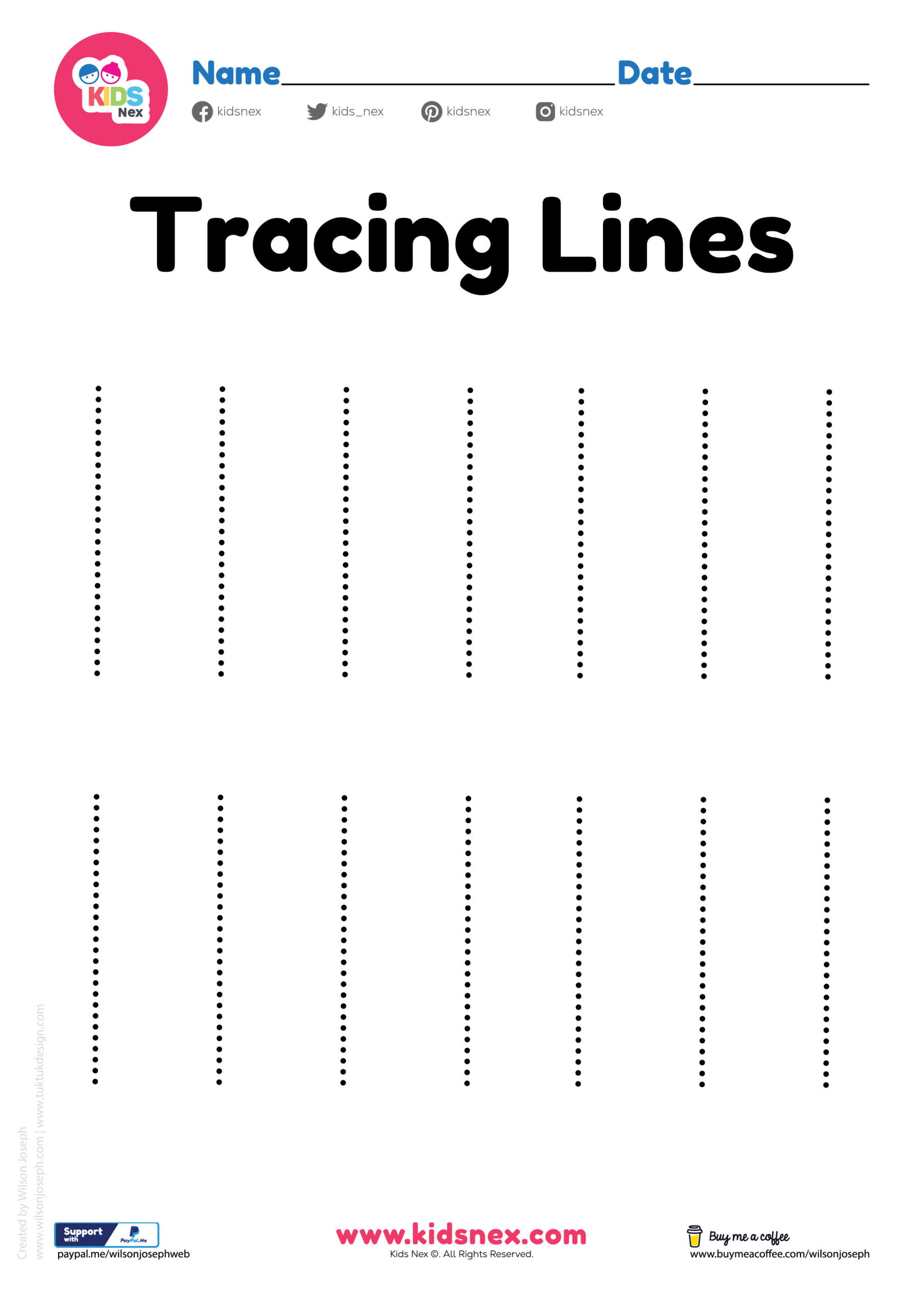
Tracing lines worksheets are essential tools for nursery educators and parents who want to foster fine motor skills in young children. These worksheets provide a structured way for children to practice hand-eye coordination and writing skills, which are foundational for their future learning. By using Tracing Lines Worksheets For Nursery, you can help your little ones develop the necessary skills while making the learning process fun and interactive.
Understanding the Importance of Tracing Lines Worksheets
Tracing lines worksheets are designed to help children practice their pencil grip, control, and coordination. At the nursery level, these skills are critical as they lay the groundwork for more complex writing tasks in later years. Children typically aged 3-5 can greatly benefit from these worksheets, as they are at a stage where they are eager to explore drawing and writing.
The act of tracing not only develops fine motor skills but also builds confidence in young learners. As they successfully trace lines and shapes, they feel a sense of accomplishment, which encourages them to continue practicing. This positive reinforcement is crucial in early childhood education.
Choosing the Right Tracing Lines Worksheets
When selecting tracing lines worksheets for nursery, consider the following factors:
- Age Appropriateness: Ensure the worksheets are suitable for your child’s age group. Look for designs that cater specifically to nursery-aged children.
- Variety of Lines: Choose worksheets that offer a range of line types—straight, curved, zigzag, and dotted lines. This variety keeps children engaged and challenged.
- Visual Appeal: Bright colors and fun illustrations can make tracing more enjoyable. Worksheets that incorporate themes like animals, shapes, or seasonal elements often capture children’s interest.
- Progression: Look for worksheets that gradually increase in difficulty. Starting with simple lines and progressing to more complex shapes can help children build their skills effectively.
Downloading and Printing Tracing Lines Worksheets
Once you’ve identified the right worksheets, the next step is to download and print them. Here are some practical tips for a smooth process:
- File Format: Most worksheets will be available in PDF format, which is ideal for printing as it maintains the original layout and quality.
- Paper Size: Standard A4 or letter-sized paper works best for worksheets. Make sure your printer settings are adjusted accordingly to avoid cutting off any content.
- Print Quality: Use a good quality printer to ensure that the lines are clear and easy for children to trace. If available, use a color printer for vibrant designs.
- Laminating: Consider laminating the worksheets for durability. This allows for repeated use with dry-erase markers, making them a cost-effective resource.
Setting Up for Successful Use
Creating the right environment for using tracing lines worksheets can significantly enhance the learning experience. Here’s how to set up:
- Designate a Workspace: Create a comfortable and distraction-free area for tracing activities. A small table with adequate lighting works well.
- Gather Supplies: Provide a variety of writing tools, including crayons, markers, and pencils. This variety can make tracing more enjoyable.
- Demonstrate: Before letting children start, demonstrate how to trace the lines correctly. This helps them understand the task and reduces frustration.
- Encourage Independence: Allow children to work on their own after demonstrating. This fosters a sense of independence and boosts their confidence.
Monitoring Progress and Mastery
Tracking progress is essential to understanding how well a child is mastering the skills outlined in the tracing lines worksheets. Here are some practical strategies:
- Observation: Watch how children handle the pencil and their ability to stay on the lines. Take note of any difficulties they may encounter.
- Review Completed Worksheets: After the worksheets are completed, review them together. Discuss what they did well and where they can improve.
- Set Goals: Encourage children by setting small, achievable goals. For instance, they can aim to trace a certain number of lines without lifting their pencil.
- Incorporate Feedback: Provide positive reinforcement and constructive feedback. Celebrate their successes to keep them motivated.
Additional Activities to Reinforce Skills
To complement tracing lines worksheets, consider including other activities that reinforce the same skills:
- Drawing Activities: Encourage children to draw their own shapes and lines after tracing. This helps transfer their skills from tracing to independent drawing.
- Crafts and Art Projects: Engage children in crafts that require cutting and pasting, which further develops their fine motor skills.
- Interactive Games: Use games that involve line tracing, such as following a path on a board game or using finger tracing in sand or on a tablet.
- Storytime: Incorporate stories that involve lines and shapes, allowing children to visualize and understand the concepts better.
By choosing the right Tracing Lines Worksheets For Nursery and setting up an engaging environment, you can effectively support young learners in developing their fine motor skills. Remember to monitor their progress and celebrate their achievements to foster a love for learning. For immediate action, download a variety of worksheets today and start your tracing journey!









