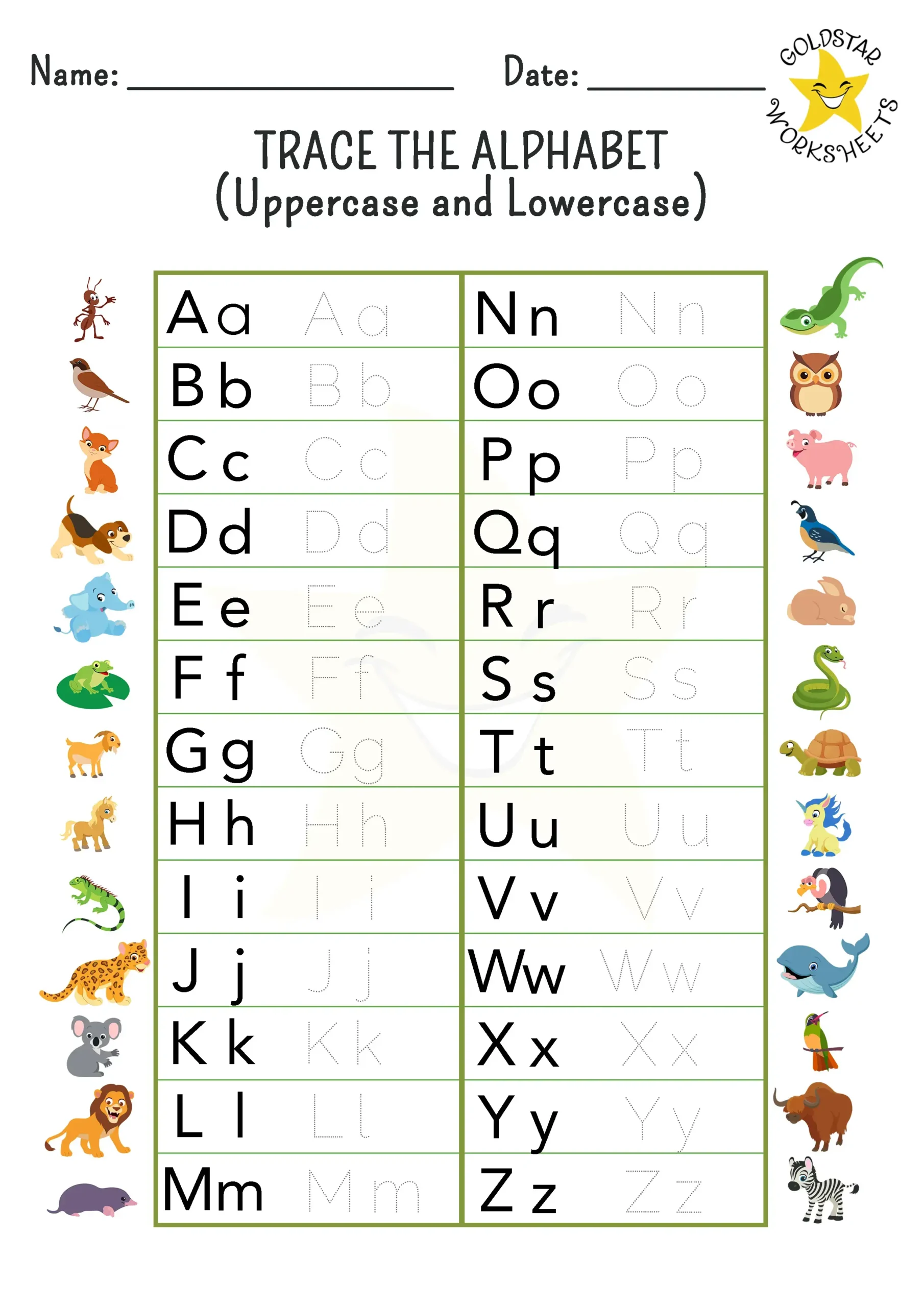
Many parents and teachers face challenges when introducing young children to the alphabet. The early stages of writing can be especially difficult for kindergarteners, as they often struggle with letter formation. Tracing Alphabet Letters For Kindergarten can effectively bridge this gap, providing a fun and engaging way to reinforce letter recognition and writing skills. This guide will explore practical approaches to using tracing resources at home or in a homeschool environment, ensuring a smooth integration into daily routines.
Understanding the Importance of Tracing Letters
Tracing letters is not just about learning how to write; it’s also about developing fine motor skills, hand-eye coordination, and cognitive understanding of letter shapes. When children trace letters, they engage multiple senses, which can enhance memory retention. This activity encourages them to visualize letters while physically forming them, laying a strong foundation for future writing tasks.
For kindergarteners, tracing letters can also be a calming and focused activity. It allows them to practice at their own pace, which is essential for building confidence. By incorporating tracing into everyday learning, you help children develop a love for writing and literacy.
Choosing the Right Tracing Resources
When selecting tracing resources, consider the following factors:
- Age Appropriateness: Ensure that the resources are suitable for kindergarteners. Look for worksheets that feature large letters and clear outlines.
- Variety: Offer different styles, such as uppercase, lowercase, and even cursive letters. This variety keeps children engaged and caters to different learning preferences.
- Format: Printable worksheets are ideal for home use. They can be easily printed multiple times, allowing for repeated practice without the need for additional materials.
There are many free and paid resources available online. Look for reputable educational websites that focus on early childhood education for the best quality worksheets.
Incorporating Tracing Into Daily Routines
Integrating tracing activities into your child’s daily routine can create a consistent learning environment without the need for formal lesson plans. Here’s how to do it:
- Set a Regular Time: Dedicate a specific time each day for tracing practice. This could be after lunch or before bedtime, making it a part of the daily routine.
- Create a Fun Atmosphere: Use colorful worksheets and fun writing tools, such as gel pens or colored pencils. The more inviting the materials, the more likely your child will want to participate.
- Mix It Up: Incorporate tracing into other activities. For example, after reading a story, have your child trace the letters of their favorite character’s name.
By making tracing a regular part of your routine, you help instill the importance of practice and consistency in learning.
Engaging Activities to Enhance Tracing Skills
While tracing is a valuable skill, supplementing it with engaging activities can further enhance learning. Here are some ideas:
Letter Scavenger Hunt
Create a scavenger hunt where your child finds objects around the house that start with a specific letter. After finding an object, have them trace that letter on a worksheet. This combines physical activity with letter recognition and tracing.
Sensory Tracing
Instead of just using paper, allow children to trace letters in different materials. Use sand, flour, or even finger paint. This sensory experience can make tracing letters more memorable and enjoyable.
Storytime Tracing
After reading a story, choose a few key words from the text. Ask your child to trace the first letter of each word. This not only reinforces letter shapes but also connects tracing to their reading experience.
Monitoring Progress and Encouragement
It’s essential to monitor your child’s progress while tracing letters. Celebrate small achievements, such as completing a worksheet or correctly forming a letter. Positive reinforcement can motivate them to continue practicing.
You can also keep a simple progress chart. Mark off each letter as they master it, giving them a visual representation of their accomplishments. This can be a powerful motivator.
Practical Tips for Using Tracing Worksheets
When using tracing worksheets, here are some tips to ensure a smooth experience:
- Use Quality Paper: Print on thicker paper or cardstock. This prevents tearing and makes it easier for children to trace without smudging.
- Laminating: If you plan on reusing worksheets, consider laminating them. This way, your child can use dry-erase markers to trace letters multiple times without wasting paper.
- Print Settings: Adjust your printer settings for best results. Portrait layout works best for most home printers, ensuring that the letters are appropriately sized for tracing.
By implementing these practical tips, you’ll create a conducive environment for effective learning.









