Science education in the seventh grade can be a whirlwind of concepts, from biology and chemistry to physics and earth sciences. Teachers often face the challenge of making these subjects engaging while ensuring students grasp essential concepts. Science Worksheets For 7th Graders are a valuable tool in this endeavor, providing structured activities that help reinforce what students learn in class. Here’s how to effectively use these worksheets to enrich your teaching and support your students’ learning journey.
Choosing the Right Worksheets
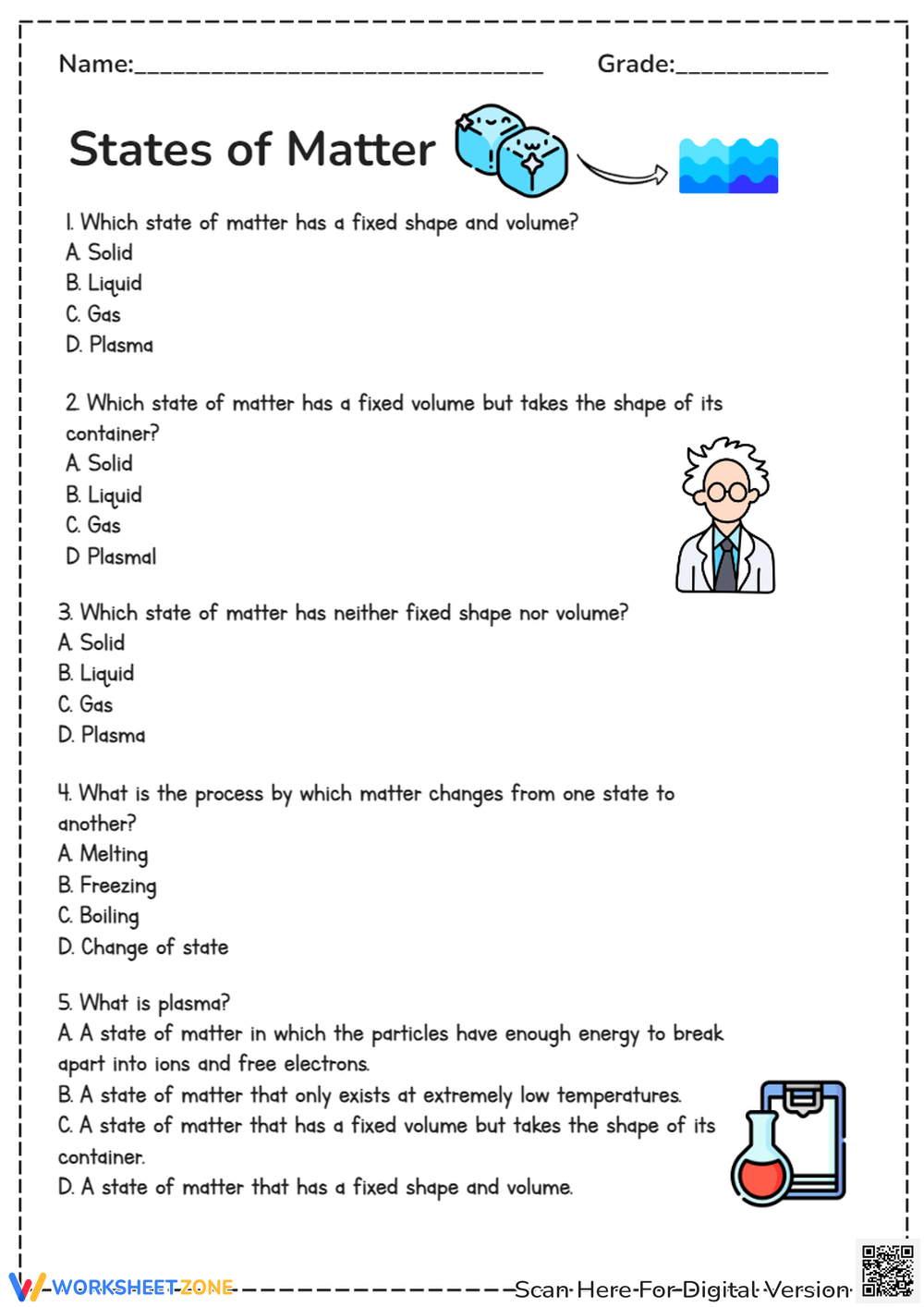
When selecting Science Worksheets For 7th Graders, consider the specific topics you are covering in your curriculum. Look for resources that align with your lesson plans, If you are diving into ecosystems, chemical reactions, or the laws of motion. This targeted approach ensures that the worksheets serve as a complementary tool in your teaching arsenal.
Make sure to evaluate the complexity of the worksheets. They should challenge students without overwhelming them. For instance, a worksheet on photosynthesis might include diagrams for labeling, multiple-choice questions, and short answer prompts.
Downloading the Worksheets
Once you’ve identified the right worksheets, the next step is downloading them. Most printable-resource websites offer user-friendly interfaces for easy access. Look for formats that suit your needs; PDFs are often ideal because they maintain formatting across different devices and printers.
Before downloading, check if the resource includes any additional materials, such as answer keys or supplementary activities. These can save you time and enhance the learning experience.
Printing Your Worksheets
Printing is a straightforward process, but a few details can improve the outcome:
- Paper Size: Standard letter size (8.5 x 11 inches) typically works best for worksheets. Ensure your printer settings are adjusted accordingly.
- Quality Settings: Opt for high-quality print settings to ensure that diagrams and text are clear and easy to read. This is particularly important for science diagrams that students need to reference.
- Test Print: If you’re using colored worksheets, consider doing a test print on regular paper to check for clarity and color accuracy.
If you plan to reuse these worksheets, consider printing them on cardstock for durability, or laminating them for a wipe-clean surface.
Setting Up the Worksheets in Your Classroom
Once printed, think about how to organize the worksheets for your students. Here are some tips:
- Binders or Folders: Use binders or folders to keep the worksheets organized by topic. This makes it easy for students to find the materials they need for specific lessons.
- Digital Access: If your classroom utilizes technology, consider providing digital copies of the worksheets. This allows students to complete assignments on their devices, reducing paper waste.
Encourage students to refer back to these worksheets throughout the year. They can be valuable study aids leading up to tests or when reviewing concepts.
Using the Worksheets Effectively
To get the most out of Science Worksheets For 7th Graders, integrate them into your teaching methods:
- Group Activities: Pair worksheets with group discussions. For example, after completing a worksheet on the water cycle, have students share their answers and insights in small groups.
- Assessment Tools: Use worksheets as informal assessments to gauge student understanding. You can collect them and provide feedback or use them to inform future lesson plans.
- Homework Assignments: Assign worksheets as homework to reinforce what was taught in class. This allows students to practice independently and come prepared for follow-up discussions.
Tracking Student Progress
One of the key benefits of using worksheets is the ability to track student progress over time. Here’s how to do it effectively:
- Collect and Review: Regularly collect completed worksheets and review them to identify common areas of struggle. This can guide your teaching focus in subsequent lessons.
- Feedback: Provide constructive feedback on the worksheets. Highlight areas where students excelled and offer tips for improvement in areas where they struggled.
- Portfolio Creation: Encourage students to create a portfolio of their completed worksheets. This not only tracks their progress but also helps them reflect on their learning journey.
Engaging Students With Creative Activities
Incorporate creative elements to make the worksheets more engaging. For example, consider adding projects that allow students to explore science concepts in a hands-on manner.
- Coloring Pages: For younger students, worksheets that include coloring pages related to science topics can be a fun way to learn. They can color diagrams of the human body or different ecosystems while learning key terms.
- Interactive Elements: Encourage students to make their own diagrams or models based on worksheet prompts. This can solidify their understanding by allowing them to apply knowledge creatively.
Immediate Tips for Success
As you start incorporating Science Worksheets For 7th Graders into your teaching routine, here’s a tip to get you going:
Customize Worksheets: Don’t hesitate to modify worksheets to better fit your class dynamics. Adding personal touches or additional questions that relate to local science phenomena can make the material more relevant and engaging for your students.
By following these steps, you can effectively utilize Science Worksheets For 7th Graders to enhance learning outcomes and keep students engaged in their science education.









