The Numbers Written In Words Worksheet is a versatile resource that can enhance students’ understanding of how to convert numerical digits into words. This skill is essential for foundational literacy in mathematics and helps students make connections between numbers and their written forms. If you are working in a classroom or teaching at home, this resource is perfect for engaging young learners, especially those in grades 1 to 3.
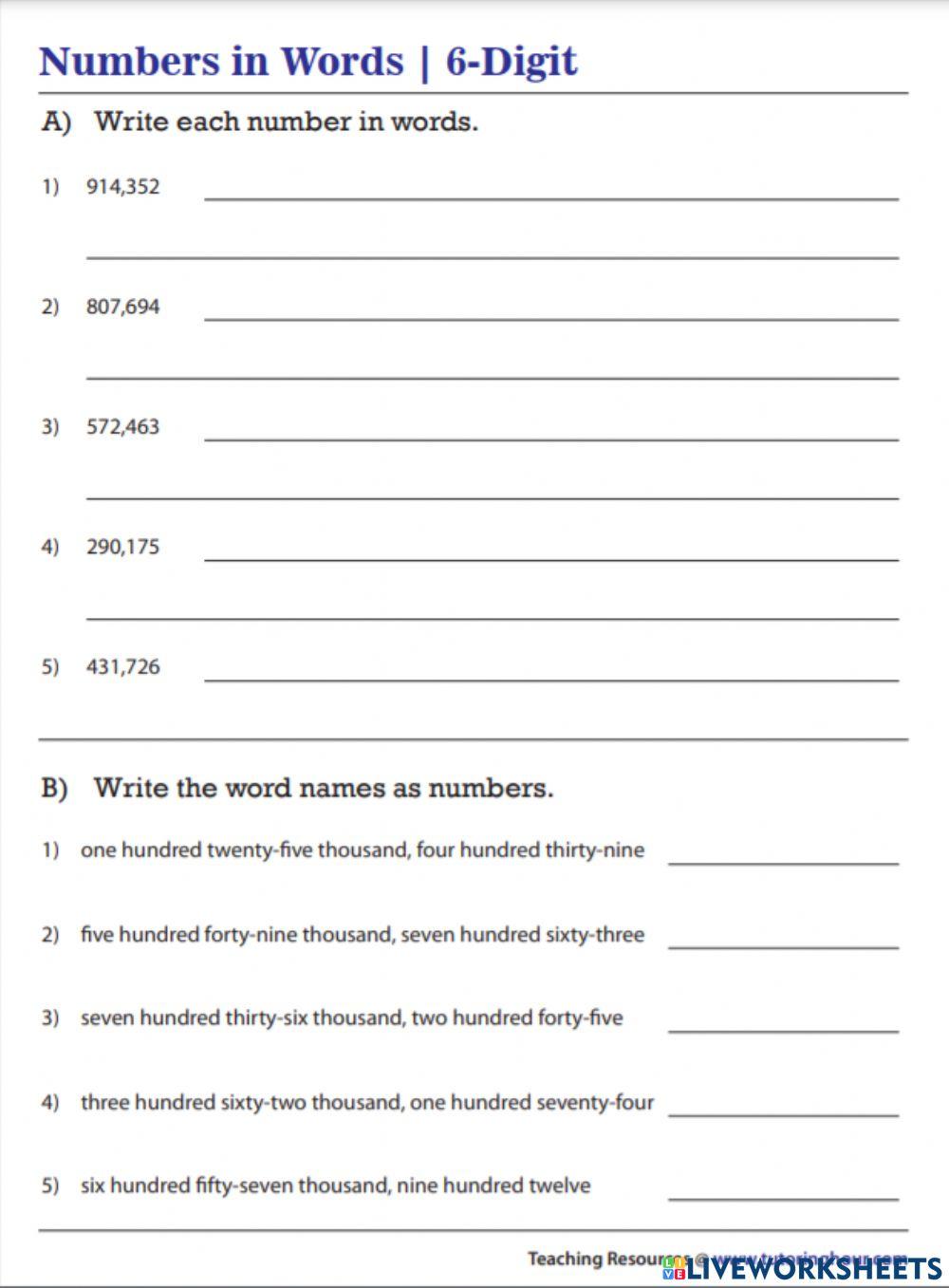
Understanding the Importance of Writing Numbers in Words
Writing numbers in words is more than just a classroom exercise; it’s a critical skill that students will use throughout their lives. This practice aids in developing their reading and writing abilities, particularly in contexts such as filling out forms, writing checks, and composing essays. When students can convert numbers to words, they also reinforce their understanding of numerical concepts and enhance their spelling skills.
Incorporating the Numbers Written In Words Worksheet into your lesson plan not only makes learning fun but also allows for the repetition necessary for mastery. Repeated practice helps students retain information and apply it in various contexts. By using this worksheet regularly, you can help solidify their understanding of number words.
How to Use the Numbers Written In Words Worksheet Effectively
Step 1: Choose the Right Version
When selecting your worksheet, consider the age and skill level of your students. The Numbers Written In Words Worksheet typically comes in different formats, catering to various grade levels. For younger learners, you might opt for a simpler version that focuses on numbers 1-20, while older students may benefit from worksheets that include larger numbers.
Step 2: Download and Print
Once you’ve chosen the appropriate worksheet, downloading and printing it is straightforward. Most worksheets are available in PDF format, which ensures the layout remains consistent when printed. For best results, print on standard letter-sized paper (8.5 x 11 inches) to fit easily into student folders or binders.
Step 3: Set Up a Learning Schedule
Instead of overwhelming students with a single session of practice, consider spacing out the use of the worksheet over a week. For example, you could introduce the worksheet on a Monday, allowing students to complete a few problems each day. This approach not only prevents burnout but also reinforces learning through repetition.
Step 4: Incorporate Various Activities
To enhance engagement, pair the worksheet with different activities. For instance, you could ask students to create flashcards with numbers on one side and their word forms on the other. Alternatively, have students write a short story that incorporates numbers written in words, promoting creativity alongside their learning.
Engaging Students With Fun Activities
In addition to the traditional worksheet approach, incorporating fun activities can make learning about numbers in words more engaging.
Interactive Games
Consider using games such as Bingo or matching games where students match numbers to their corresponding words. This not only makes learning fun but also encourages peer interaction.
Group Discussions
Encourage students to work in pairs or small groups to discuss why writing numbers in words is important. This collaborative approach can help them articulate their thoughts and reinforce their learning.
Real-World Applications
Show students real-world examples where writing numbers in words is necessary. For instance, review checks or forms that require numerical entries. Discuss why clarity in written numbers is crucial, especially in professional settings.
Assessing Understanding and Progress
Once students have had ample practice with the Numbers Written In Words Worksheet, it’s essential to assess their understanding. Here are some effective assessment strategies:
Quizzes
Create short quizzes that require students to convert numbers into words. This can be done either in written form or verbally.
Peer Review
Have students exchange worksheets to review each other’s work. This not only helps them learn from one another but also builds a sense of community in the classroom.
Individual Conferencing
Set aside time for one-on-one meetings with students to discuss their progress. This personalized attention can help identify areas where they may need additional support or practice.
Tips for Parents and Homeschoolers
If you’re a parent or homeschooling, you can also use the Numbers Written In Words Worksheet effectively. Here are some tailored suggestions:
Create a Routine
Establish a routine that includes daily practice with the worksheet. This can help instill discipline and make learning a regular part of your child’s day.
Use Everyday Examples
Incorporate everyday situations where writing numbers in words is necessary. For example, ask your child to help write grocery lists, ensuring they write out the quantities in words.
Celebrate Progress
Acknowledge your child’s progress, whether through small rewards or verbal praise. Celebrating achievements can motivate them to continue learning.
The Numbers Written In Words Worksheet is a valuable tool that, when used effectively, can greatly enhance students’ learning experiences. By incorporating it into your teaching strategy and utilizing various methods for practice and assessment, you can help your students master the art of writing numbers in words. Remember, consistent practice and engaging activities are key to solidifying this essential skill, setting your students up for success in both their academic and everyday lives.
Lastly, one useful detail often overlooked is the benefit of using a variety of fonts and layouts in worksheets. This small change can keep students engaged and attentive, fostering a more dynamic learning environment.









