Teaching young children to write numbers can be a rewarding yet challenging task. Number Writing Practice 1-10 resources provide a structured way for kids to learn and practice their number formation. These printable worksheets and activities are designed to make learning fun, engaging, and effective. By incorporating these resources into your teaching routine, you’ll help students develop essential writing skills that they can build on as they progress in their education.
Understanding the Importance of Number Writing Practice
Before diving into the specifics of Number Writing Practice 1-10, it’s essential to grasp why this skill is crucial for young learners. Writing numbers correctly lays the foundation for future math skills. When children learn to write numbers from 1 to 10, they are not only memorizing shapes but also improving their fine motor skills, hand-eye coordination, and cognitive development.
Moreover, mastering number writing helps in other areas, such as counting, basic arithmetic, and even understanding patterns. This foundational skill is often integrated into various subjects, making it a vital component of early childhood education.
Effective Ways to Use Number Writing Practice Resources
When implementing Number Writing Practice 1-10 resources, consider the following practical strategies that can seamlessly fit into your classroom or home learning environment:
Create a Structured Routine
Incorporate number writing practice into your daily schedule. Setting aside a specific time each day for this activity helps children anticipate and value this learning moment. For example, you might dedicate 15 minutes each morning to number writing before moving on to other subjects. Consistency helps reinforce learning and builds a habit.
Hands-On Activities
While worksheets are an excellent tool for number writing practice, blending them with hands-on activities can enhance learning. For instance, you could use playdough to form numbers or have children write numbers in sand or rice. These tactile experiences make the learning process more enjoyable and memorable.
Foster an Engaging Environment
Creating a positive learning atmosphere will encourage students to participate actively. Decorate your classroom or learning space with number charts and colorful visuals. Incorporate songs and rhymes that focus on numbers to make learning more dynamic.
Features of Effective Number Writing Practice Worksheets
When selecting Number Writing Practice 1-10 worksheets, look for features that cater to different learning styles and needs. Here are some aspects to consider:
Clear Number Guides
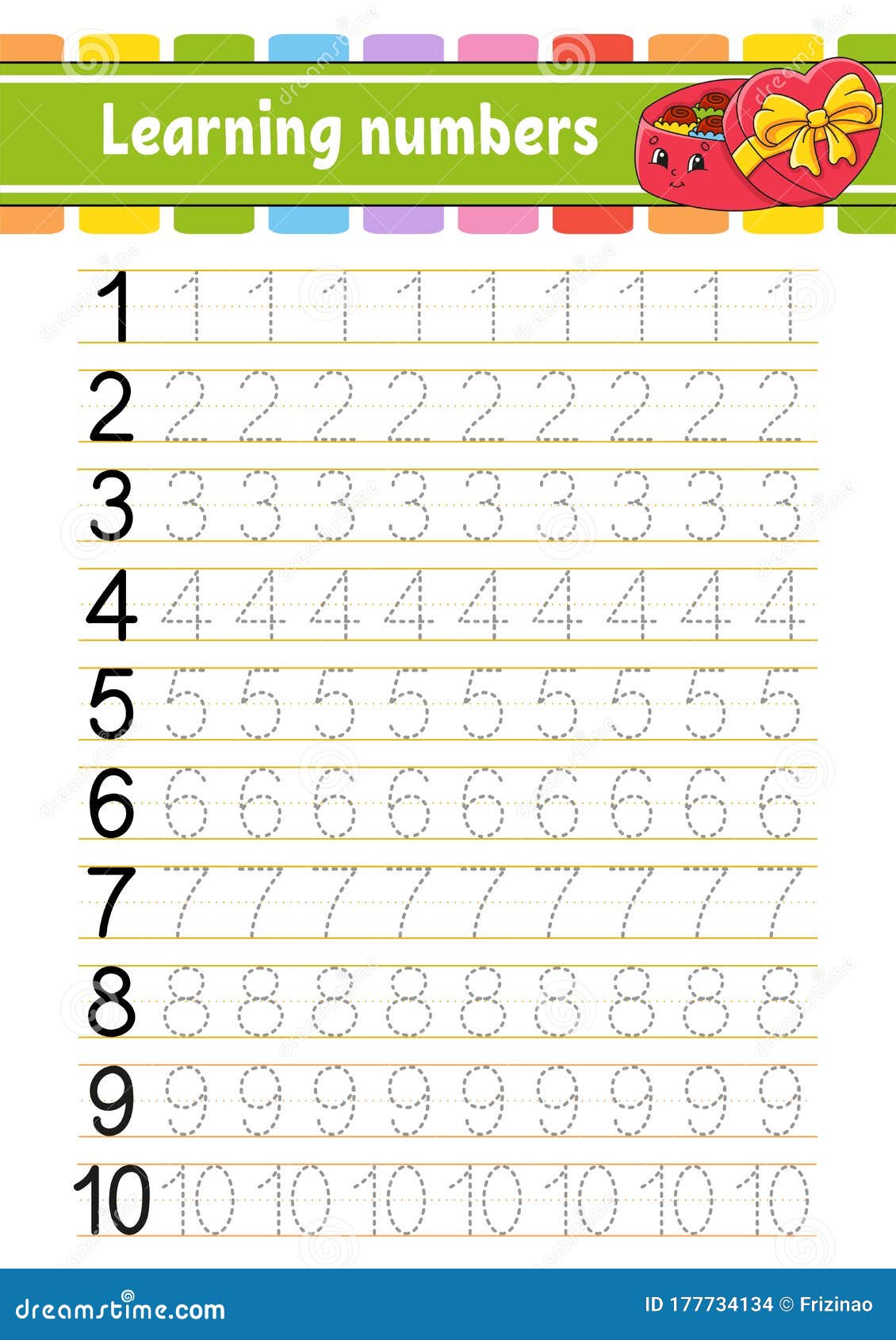
Effective worksheets should feature clear guides for each number. This could include dotted lines for tracing, arrows indicating the correct direction to form each number, and even visual cues that help children connect the number with its quantity.
Varied Activities
To maintain interest, choose worksheets that offer a variety of activities. For example, some sheets might focus on tracing, while others could involve writing numbers from memory or matching numbers with pictures of corresponding quantities. This variety keeps children engaged and caters to different learning preferences.
Space for Practice
Ensure that the worksheets provide ample space for children to write each number multiple times. Repetition is key to mastering number writing, and having enough room to practice prevents frustration and encourages neatness.
Incorporating Number Writing Practice Into Lesson Plans
Integrating Number Writing Practice 1-10 into your lesson plans can be seamless. Here’s how to do it effectively:
Align With Learning Objectives
When planning your lessons, align number writing activities with your overall educational goals. For example, if your objective is to enhance fine motor skills, ensure that number writing practice is included as a central component of the lesson.
Use Cross-Curricular Connections
Link number writing practice to other subjects to reinforce learning. For instance, while learning about animals, you might have children write the number of legs certain animals have. This cross-curricular approach not only solidifies number writing skills but also makes learning more holistic.
Assess and Adapt
Regularly assess your students’ progress in number writing. Observe their ability to form numbers correctly and their confidence levels. Based on your observations, adapt your approach and resources to better meet their needs. For example, if you notice some students struggle with specific numbers, consider providing additional practice sheets focused on those areas.
Resources for Number Writing Practice 1-10
To effectively implement Number Writing Practice 1-10, here are some resources you can utilize:
Printable Worksheets
Look for downloadable and printable worksheets that specifically focus on numbers 1-10. Many educational websites offer free or low-cost options that fit your curriculum needs. Ensure the worksheets are designed with engaging graphics and clear instructions.
Interactive Online Tools
Incorporate technology by using interactive online tools that allow children to practice number writing digitally. These tools often provide instant feedback, making them a great supplement to traditional worksheets.
Parent Involvement
Encourage parents to get involved in their children’s learning by providing them with resources to practice at home. Simple worksheets or even apps can make it easy for parents to support their children’s number writing skills outside of school.
Tips for Successful Number Writing Practice
To maximize the effectiveness of your Number Writing Practice 1-10 sessions, consider these actionable tips:
Be Patient
Remember that every child learns at their own pace. Be patient and offer encouragement throughout the learning process. Celebrate small successes to boost their confidence and motivation.
Focus on Correct Posture
Ensure students are seated comfortably at a table or desk with good posture while writing. A proper writing position can significantly influence their ability to form numbers correctly.
Use Appropriate Writing Tools
Choose writing tools that are suitable for young learners. Crayons, thick markers, or pencils with grips can help children gain better control while writing. This can be especially beneficial for those still developing their fine motor skills.
Make It Fun
Incorporate games and competitions to make number writing practice enjoyable. For example, you could set a timer and see who can write the most numbers correctly in a minute. Fun activities can turn practice into play.









