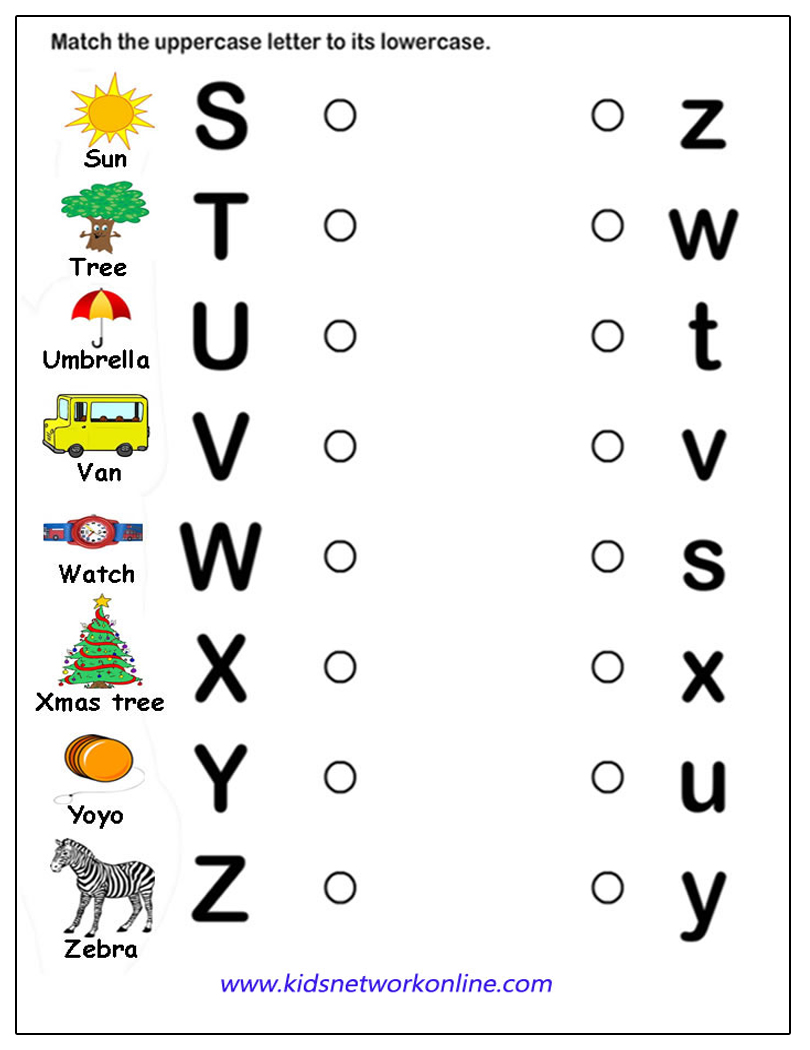
Matching uppercase to lowercase letters is a fundamental skill for early literacy development. It helps young learners understand the connection between different forms of letters, which is essential for reading and writing. The Matching Uppercase To Lowercase Letters Worksheet serves as a practical tool in this learning process. It offers a structured approach for teachers and parents to reinforce letter recognition and improve students’ confidence in their writing skills.
Understanding the Importance of Matching Uppercase and Lowercase Letters
Before diving into the specifics of the worksheet, it’s crucial to grasp why matching uppercase to lowercase letters matters. This skill is not just about recognizing letters; it’s about developing a deeper understanding of the alphabet and how letters function in words.
Young children often learn to recognize uppercase letters first, as these are more prominently displayed in books and signs. However, as they progress, they encounter lowercase letters more frequently in text. Being able to match uppercase letters with their lowercase counterparts will enhance their reading fluency and comprehension.
How to Use the Matching Uppercase To Lowercase Letters Worksheet
Using the Matching Uppercase To Lowercase Letters Worksheet is straightforward, but following a systematic approach will yield the best results. Here’s a step-by-step guide:
- Download and Print the Worksheet: Start by downloading the worksheet from a reliable printable-resource website. Opt for a PDF version to avoid any formatting issues when printing. Use standard letter-sized paper (8.5 x 11 inches) for easy handling.
- Introduce the Concept: Before handing out the worksheet, introduce your students to the concept of matching uppercase and lowercase letters. Use examples from the classroom or materials they are familiar with. For instance, show them the letter “A” and its lowercase counterpart “a.”
- Demonstrate the Activity: Walk your students through the worksheet. Point out how they will match uppercase letters on one side to their lowercase equivalents on the other. Clarifying instructions will help them feel confident as they begin.
- Set a Time Limit: Depending on the students’ age and skill level, set a reasonable time limit for completing the activity. For younger children, 10-15 minutes may be sufficient, while older students might benefit from a bit more time to reflect.
- Encourage Independent Work: Allow your students to work independently, but be available for questions. This balance encourages self-reliance while providing support when needed.
- Review and Discuss: Once everyone has completed the worksheet, review the answers as a class. Discuss any challenges they faced and celebrate their successes. This debriefing reinforces learning and helps track their progress.
Tailoring the Worksheet for Different Age Groups
The Matching Uppercase To Lowercase Letters Worksheet can be adapted for various age groups and skill levels. Here’s how to tailor the activity:
For Preschoolers (Ages 3-4)
At this stage, focus on letter recognition rather than speed. Use colorful worksheets with engaging images that relate to each letter. For example, the letter “B” could be matched with a picture of a “ball.” Encourage them to say the letter names out loud as they work.
For Kindergarteners (Ages 5-6)
Kindergarteners are ready to take on a bit more. Use the standard worksheet, but introduce a scoring system. For every correct match, they earn a point. This gamifies the learning experience and motivates them to focus on accuracy.
For First Graders (Ages 6-7)
First graders can handle a more challenging version of the worksheet. Include additional tasks, such as writing a word that starts with each letter or using the letters in a sentence. This encourages them to think critically about letter usage in context.
Tracking Progress With the Worksheet
One of the most significant advantages of using the Matching Uppercase To Lowercase Letters Worksheet is the ability to track student progress effectively. Here are a few tips for monitoring their development:
- Create a Progress Chart: After each worksheet activity, create a simple chart to track which letters students are consistently matching correctly. This visual representation can help identify areas needing additional focus.
- Regular Assessments: Conduct informal assessments every few weeks. Administer a quick matching test or use flashcards to see how well students can recall and match letters without the worksheet.
- Encourage Self-Assessment: Teach students to assess their work. After completing the worksheet, have them check their answers against a completed version. This practice encourages accountability and promotes self-correction.
Additional Activities to Reinforce Learning
To further enhance letter recognition skills, consider integrating additional activities alongside the worksheet. Here are a few engaging ideas:
- Letter Scavenger Hunt: Create a scavenger hunt where students find and match uppercase and lowercase letters around the classroom or at home. This makes learning dynamic and interactive.
- Flashcard Games: Use flashcards with uppercase letters on one side and lowercase on the other. Play matching games where students pair the cards. This can be done individually or in small groups for a collaborative approach.
- Craft Projects: Encourage creativity by having students create a poster with uppercase letters and their lowercase counterparts. They can draw pictures or decorate the letters, making learning fun and memorable.
Tips for Effective Use of the Worksheet
As you incorporate the Matching Uppercase To Lowercase Letters Worksheet into your teaching, consider these practical tips:
- Use Quality Paper: If you plan to use the worksheet multiple times, consider printing it on cardstock. This material is more durable and holds up better to repeated handling.
- Laminating: For a reusable option, laminate the worksheet. Students can use dry-erase markers to complete the activity, allowing for easy clean-up and multiple uses.
- Incorporate Technology: If you have access to tablets or computers, consider using interactive letter-matching games online. These can complement the worksheet and offer an engaging alternative.
By following these steps and tips, you can effectively implement the Matching Uppercase To Lowercase Letters Worksheet in your classroom or home. This resource not only reinforces critical literacy skills but also fosters a love for learning in young children.
Encourage your students to practice consistently, and remember to celebrate their progress along the way. A simple tip: always keep a few extra worksheets on hand for those unexpected learning moments!









