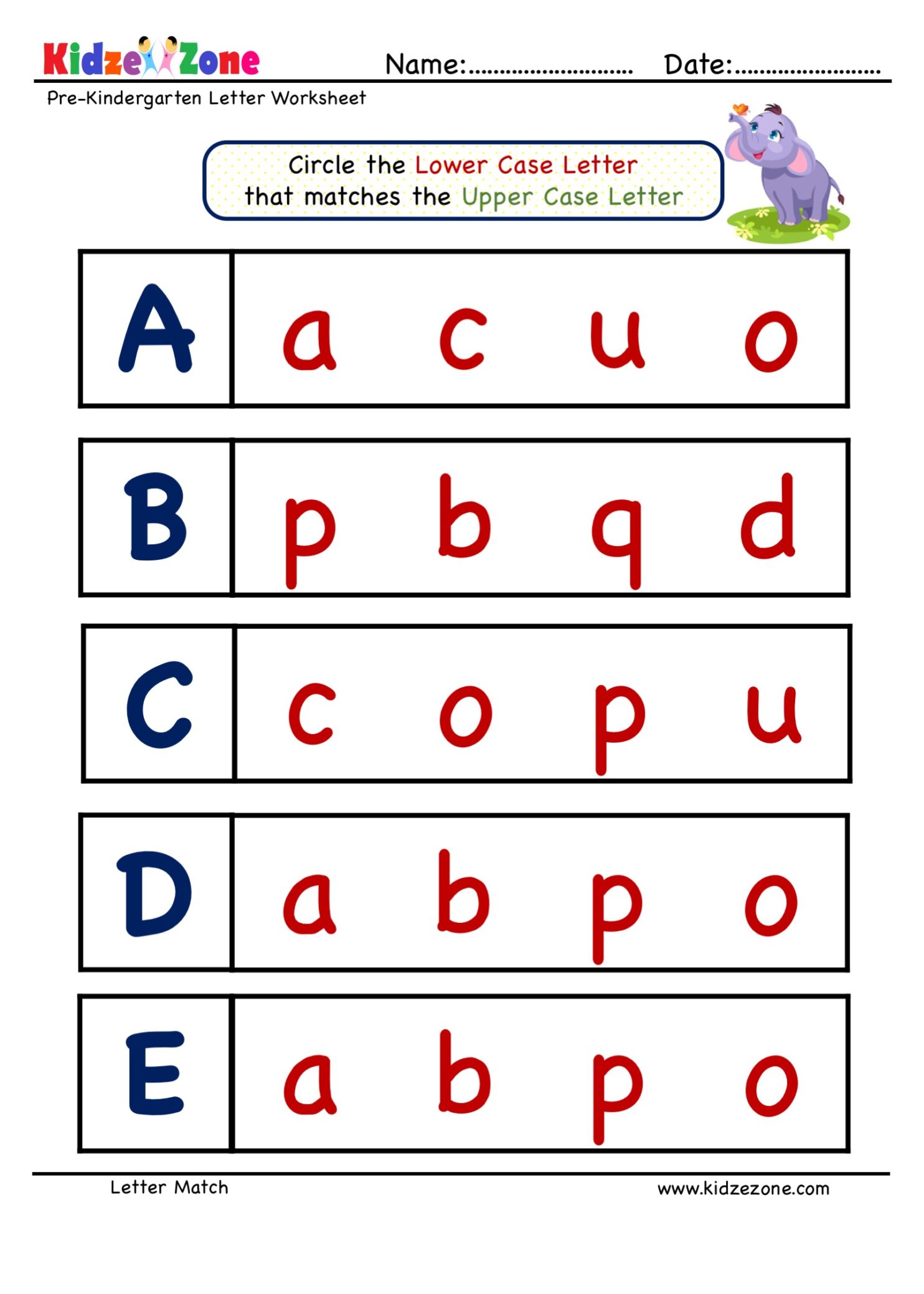
Teaching young learners to recognize and match uppercase and lowercase letters is a vital part of their literacy journey. The Matching Upper And Lowercase Letters Worksheet is an excellent tool for reinforcing this essential skill. This resource not only aids in letter recognition but also helps children understand the relationship between different letter cases, which is fundamental for reading and writing.
Understanding the Importance of Matching Upper and Lowercase Letters
When children begin learning to read and write, they encounter letters in both uppercase and lowercase forms. Understanding how these letters correspond is essential for a variety of skills, including spelling and sentence formation. Using a Matching Upper And Lowercase Letters Worksheet allows teachers and parents to provide structured practice for students, enhancing their ability to recognize and use letters in different contexts.
Why Worksheets Are Effective Tools
Worksheets are popular in educational settings for several reasons:
- They offer a structured format, making it easier for children to focus.
- They can be completed independently or in groups, promoting both individual learning and collaborative skills.
- Worksheets are easily adaptable; they can be modified to suit different learning levels or preferences.
By integrating worksheets like the Matching Upper And Lowercase Letters Worksheet into your lesson plans, you can create a rich learning environment that encourages literacy development.
Preparing Your Matching Upper and Lowercase Letters Worksheet
Before diving into the activity, preparation is key. Here are some practical tips for printing and setting up your worksheet:
- Download Formats: Ensure you download the worksheet in a format that suits your needs. PDF files are often best for printing, as they maintain formatting across different devices.
- Printer Settings: Use standard settings on your home or classroom printer. Most worksheets are designed for letter-sized paper (8.5 x 11 inches), which is the most common choice for worksheets. If you want to save ink, consider using the draft mode for initial prints.
- Paper Choices: For worksheets that will be frequently used, consider printing on cardstock. This paper type is sturdier and can withstand wear and tear, especially if students are using markers or coloring tools.
- Lamination: If you plan to reuse the worksheet, laminating it can be a great option. This allows students to use dry-erase markers, making it easy to practice multiple times without needing to print new copies.
Using the Matching Upper and Lowercase Letters Worksheet in the Classroom
Once your worksheet is ready, it’s time to integrate it into your teaching strategy. Here are practical ways to use it effectively:
Individual Practice
Assign the worksheet as independent practice during literacy centers. This allows students to work at their own pace while reinforcing their understanding. You can monitor their progress and offer guidance as needed.
Group Activities
Turn the worksheet into a group activity by allowing students to work in pairs or small groups. They can discuss their answers and help each other identify letters, fostering collaboration and communication skills.
Spaced Practice
Instead of completing the worksheet in one sitting, consider spreading the activity over several days. This spaced practice approach helps reinforce learning and aids in retention. For example, you might have students complete half the worksheet one day and the other half the next.
Adapting the Worksheet for Different Learning Levels
Every child learns at their own pace, and it’s essential to adapt resources to meet diverse needs. Here are some suggestions for tailoring the Matching Upper And Lowercase Letters Worksheet:
For Younger Learners
For preschoolers or kindergarteners, focus on simpler tasks. You might choose to highlight just a few letters at a time, allowing them to master those before moving on to more.
For Advanced Learners
For students who are already comfortable with matching letters, consider incorporating additional challenges. You can ask them to write sentences using the letters they’ve matched, or have them find objects around the classroom that start with those letters.
Incorporating Additional Resources
To enhance the learning experience, consider pairing the Matching Upper And Lowercase Letters Worksheet with other resources. Here are a few ideas:
- Flashcards: Use flashcards for additional practice. Create sets that feature both uppercase and lowercase letters. This helps reinforce recognition in a different format.
- Games: Integrate educational games that focus on letter recognition. For example, a simple matching game or a scavenger hunt for items that start with specific letters can make learning fun.
- Digital Resources: If your classroom has access to technology, there are numerous online games and activities that focus on letter matching. These can serve as a supplementary resource to the worksheet.
Tracking Progress and Celebrating Success
As with any educational activity, tracking progress is crucial. Here are some ways to do so effectively:
- Observation: Take notes on how students perform on the worksheet. This can help you identify areas where they may need more support or practice.
- Assessments: Consider informal assessments at the end of the week to gauge understanding. You could have students verbally identify letters or complete a quick matching game.
- Celebrate Achievements: Acknowledge students’ progress, no matter how small. Celebrating milestones can motivate them to continue improving. Stickers, certificates, or a simple shout-out in class can go a long way.
Next Steps After the Worksheet
After using the Matching Upper And Lowercase Letters Worksheet, you can further reinforce the skill through various activities. Consider implementing daily letter recognition games or incorporating literacy into other subjects, such as art or science.
By providing a variety of engaging activities, you can help solidify your students’ understanding of uppercase and lowercase letters, setting a strong foundation for their future literacy skills.
Incorporating these strategies into your teaching will not only make learning more enjoyable but also effective. The goal is to make letter recognition a natural part of their learning experience, paving the way for confident readers and writers.









