Academic research can be an overwhelming task. With numerous sources to track, deadlines to meet, and data to analyze, it’s easy to feel lost in the process. This is where a Checklist Template For Academic Research comes in handy. This resource helps you stay organized and ensures that you cover all necessary steps in your research journey.
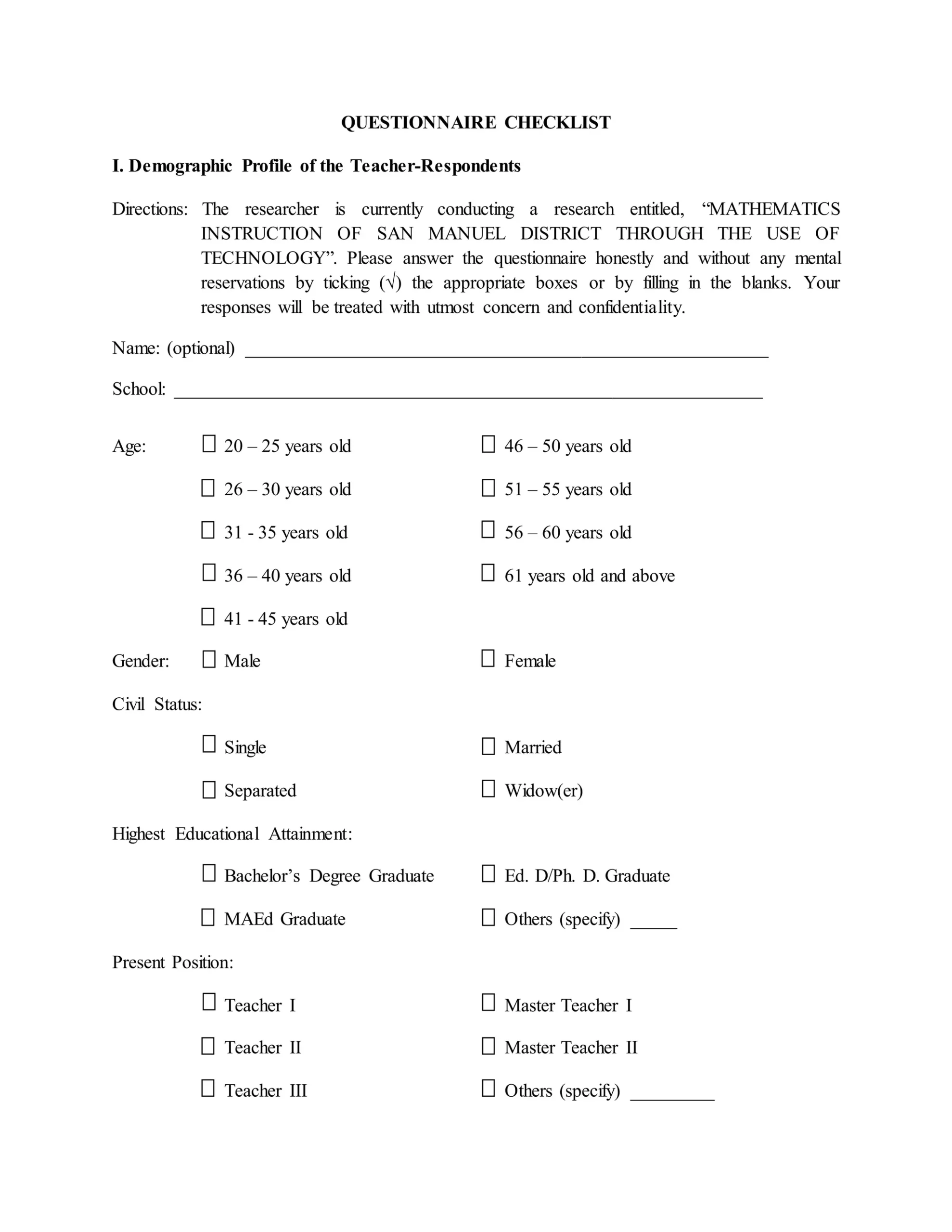
Why Use a Checklist Template?
A checklist template serves as a roadmap for your academic research. It allows you to break down the research process into manageable tasks, ensuring nothing slips through the cracks. By using a checklist, you can:
- Stay Organized: Keep track of your progress and avoid overlooking important tasks.
- Enhance Focus: Concentrate on one task at a time rather than getting overwhelmed by the entire project.
- Build a Routine: Utilize the checklist regularly to develop consistent research habits.
When you repeat the checklist process, it becomes easier to identify what works best for your research style. You can adapt it to fit your needs, making it a flexible tool that grows with you.
Components of an Effective Research Checklist
An effective checklist template for academic research should cover several key components. Here’s what to include:
1. Define Your Research Question
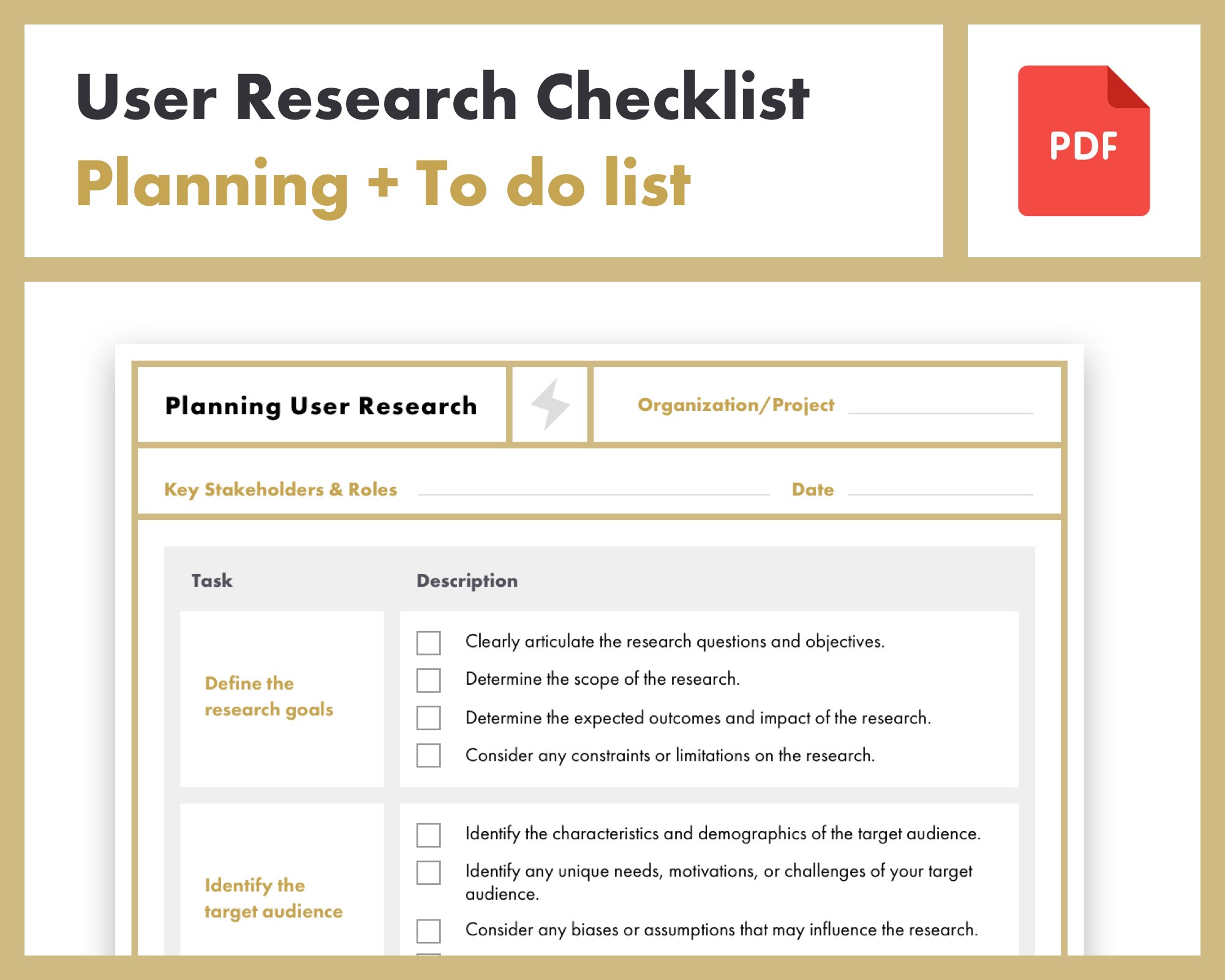
Start by clearly defining your research question. This will guide your entire research process. Your checklist should prompt you to:
- Brainstorm potential questions
- Narrow down to one specific question
- Ensure the question is researchable and relevant
2. Conduct a Literature Review
Next, look at the existing literature. This step is crucial in understanding the context of your research. Include tasks like:
- Searching academic databases (e.g., JSTOR, Google Scholar)
- Reviewing relevant articles and studies
- Taking notes on significant findings
3. Develop a Research Plan
With your question and literature in hand, you can create a structured research plan. Your checklist should help you outline:
- Methodology: Qualitative, quantitative, or mixed methods?
- Timeline: Key milestones and deadlines
- Resources needed: Books, articles, tools, and software
4. Data Collection
Collecting data is one of the most critical phases of research. Your checklist should include:
- Identifying data sources (surveys, experiments, interviews)
- Preparing tools for data collection (surveys, recording devices)
- Establishing a process for managing data (spreadsheets, databases)
5. Data Analysis
After collecting data, you need to analyze it. Include tasks like:
- Cleaning and organizing data
- Choosing appropriate statistical methods
- Interpreting results in relation to your research question
6. Writing and Revision
Writing is where your research comes to life. Your checklist should guide you through:
- Creating an outline for your paper
- Writing drafts and sections
- Revising and editing based on feedback
7. Final Review and Submission
Before submitting your research, ensure everything is polished and complete. Include final tasks like:
- Formatting according to guidelines (APA, MLA, etc.)
- Checking citations and references
- Submitting your paper on time
Practical Tips for Using Your Checklist Template
To make the most of your checklist template, consider these practical tips:
- Print it Out: Having a physical copy lets you mark tasks off as you complete them.
- Keep It Visible: Post your checklist where you work or study. This constant reminder helps maintain focus.
- Review Regularly: Go over your checklist at the beginning of each research session to refresh your memory and set goals.
Adapting the Checklist for Different Research Projects
One of the greatest benefits of a checklist template is its adaptability. Depending on the type of research, you might need to adjust your checklist slightly. For instance:
- Qualitative Research: Emphasize data collection techniques like interviews and focus groups.
- Quantitative Research: Focus more on statistical analysis and data management tasks.
- Group Projects: Incorporate sections for collaboration and communication among team members.
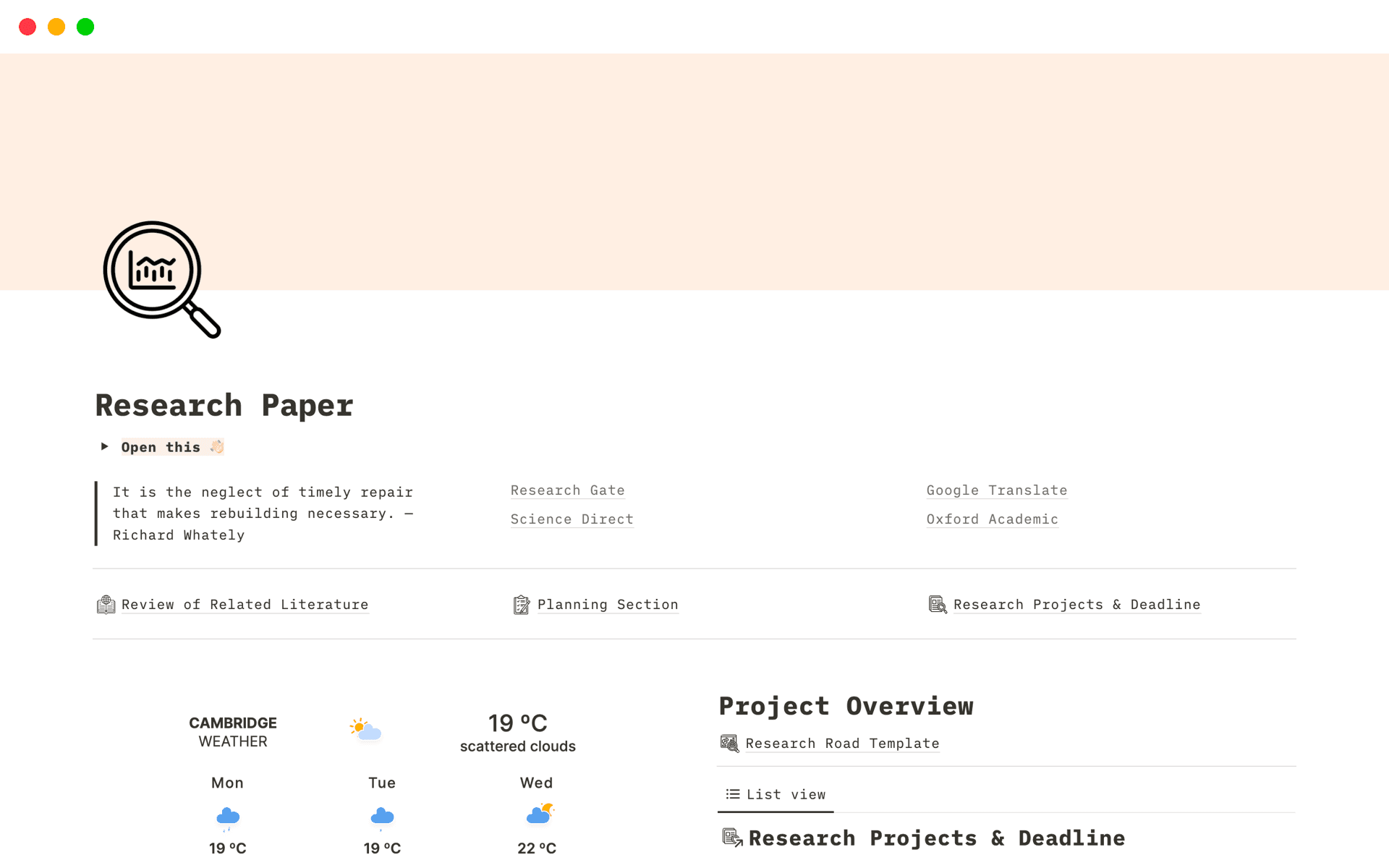
Incorporating Technology
In today’s digital age, consider using technology to enhance your checklist experience. There are various apps and software programs designed for research management. Some options include:
- Trello or Asana: For project management and task tracking.
- Evernote or OneNote: For organizing notes and resources.
- Google Drive: For collaborative research and document sharing.
By integrating these tools with your checklist template, you can streamline your research process even further.









