Teaching young learners the difference between upper case and lower case letters can be a challenge. Many students struggle to grasp the concept, which can hinder their reading and writing skills. This is where an Upper Case Lower Case Worksheet comes in handy. It provides structured practice that can significantly improve students’ understanding and usage of letter cases.
Understanding Upper Case and Lower Case Letters
Upper case letters, also known as capital letters, are typically used at the beginning of sentences or for proper nouns. For example, “A” is an upper case letter, while its lower case counterpart is “a.” Recognizing and using these letters correctly is crucial for developing literacy skills.
The importance of differentiating between upper case and lower case letters cannot be overstated. It affects not only writing but also reading fluency. When students learn to identify and use these letters correctly, they become more confident readers and writers.
The Importance of Repeated Practice
One of the most effective ways to teach the difference between upper case and lower case letters is through repetition. The Upper Case Lower Case Worksheet is designed to facilitate this repeated practice across a week rather than cramming it into a single session. This spacing is essential for retention and mastery of the material.
By engaging with the worksheet multiple times, students can gradually improve their letter recognition and writing skills. It also allows teachers to assess progress over time. Here are a few practical ways to incorporate this worksheet into your teaching routine:
- Daily Warm-ups: Use the worksheet as a warm-up activity each day. This keeps the material fresh in students’ minds.
- Weekly Assessments: Assign the worksheet at the start of the week and assess students’ understanding at the end of the week.
- Homework Assignments: Send the worksheet home for students to practice with their parents, encouraging family involvement in learning.
Breakdown of the Upper Case Lower Case Worksheet
When you look at an Upper Case Lower Case Worksheet, you’ll find various exercises that cater to different learning styles. Here’s what to expect:
Letter Recognition
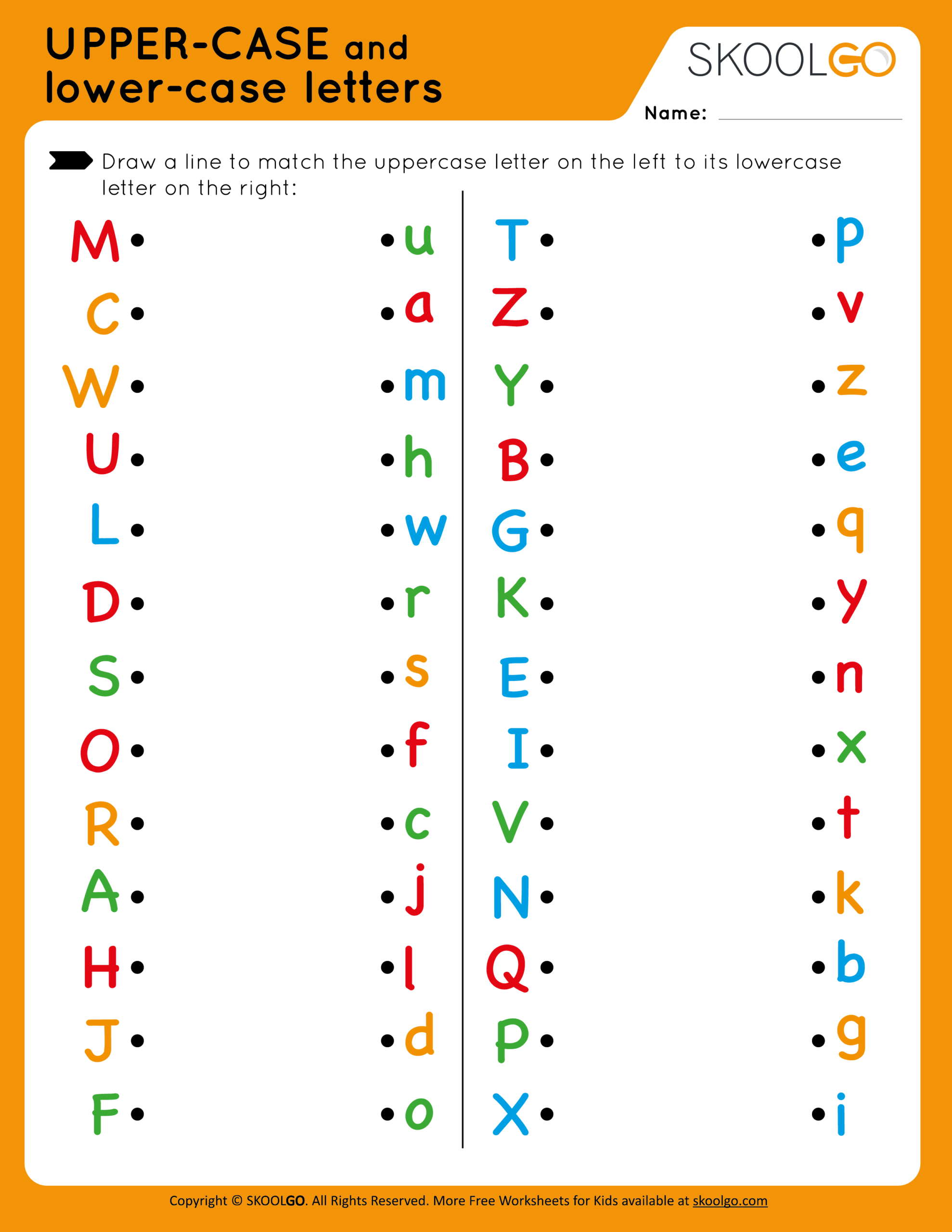
Many worksheets include sections where students are asked to identify upper case and lower case letters. This might involve circling all the upper case letters in a given list or matching upper case letters with their lower case counterparts.
Writing Practice
The worksheet often provides sections for students to practice writing both upper case and lower case letters. This could include tracing letters as well as writing them from memory. Providing ample space for practice is essential; consider using sheets that allow for multiple repetitions of each letter.
Word Formation
Some worksheets might take it a step further by incorporating words that include both upper and lower case letters. Students might be tasked with rewriting a word in its correct case or identifying which letters should be capitalized. This not only reinforces their understanding of letter cases but also introduces them to basic spelling and vocabulary.
Coloring Activities
Including a creative element, such as coloring pictures that begin with certain letters, can make learning more engaging. For example, students might color an apple for the letter “A” while practicing its upper and lower case forms. This adds an enjoyable aspect to learning that can keep students motivated.
Age and Grade Level Suitability
The Upper Case Lower Case Worksheet is particularly suitable for preschool and early elementary students, typically ranging from ages 4 to 7. At this stage, students are just beginning to learn about letters and their sounds, making it an ideal resource for reinforcing these foundational skills.
When using this resource, it’s essential to consider the individual needs of your students. Some may require more time and practice than others, which is why having a variety of worksheets can be beneficial.
Tips for Maximizing the Effectiveness of Worksheets
To get the most out of the Upper Case Lower Case Worksheet, consider these practical tips:
- Use Various Formats: Print the worksheet in different formats, such as portrait or landscape, depending on how you plan to use it. For instance, portrait layout often works better for worksheets that require writing, while landscape can be useful for activities with larger images or more space.
- Choose the Right Paper: Using a heavier paper, such as cardstock, can make it easier to handle, especially if you plan to laminate the worksheets for repeated use. Lamination also helps preserve the worksheets for future classes.
- Incorporate Technology: If you have access to tablets or computers, consider using digital versions of the worksheets. This can provide students with instant feedback and interactive elements that traditional worksheets may lack.
- Encourage Peer Learning: Pair students up to work on the worksheets together. This not only fosters collaboration but also allows them to learn from each other.









