When it comes to teaching young learners the fundamentals of writing, Lowercase Letter A Tracing Worksheets stand out as an essential resource. These worksheets are specifically designed to help children practice and perfect their handwriting skills. They provide a clear framework for tracing, ensuring that students form letters correctly while also developing fine motor skills. By incorporating these worksheets into your lesson plans, you can create a structured approach to teaching letter recognition and writing.
Understanding the Structure of Lowercase Letter A Tracing Worksheets
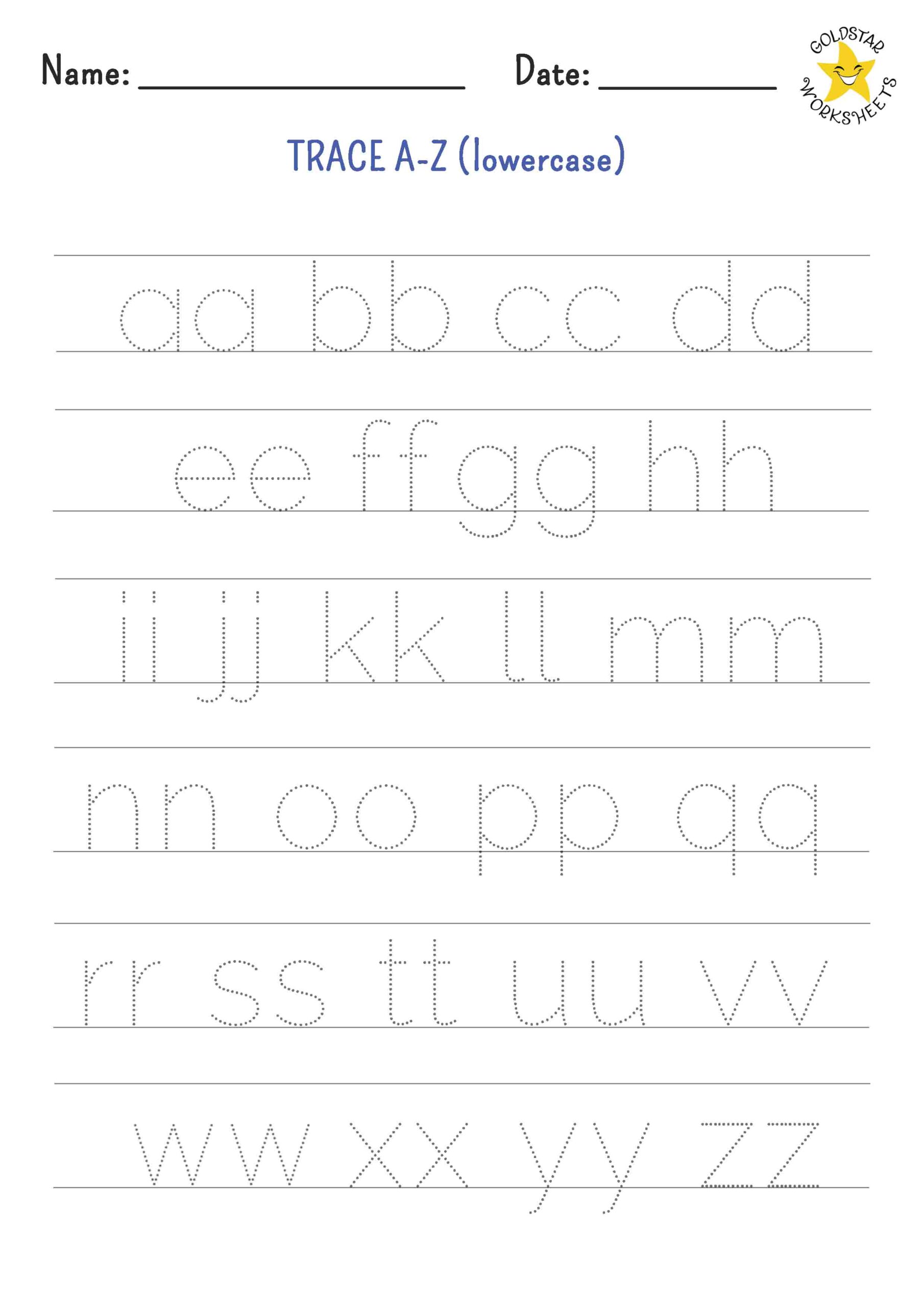
Lowercase Letter A Tracing Worksheets typically feature a few key elements that enhance the learning experience. Each worksheet includes a large, dotted outline of the letter ‘a’ for children to trace. This design allows students to visualize the letter’s shape and understand the correct stroke order. Some worksheets may also include arrows indicating the direction of each stroke, which can help reinforce the learning process.
In addition to the tracing section, many worksheets provide space for students to practice writing the letter independently. This dual approach encourages repetition and helps solidify the connection between tracing and freehand writing. You’ll notice that the layout is clean and simple, making it accessible for children of varying skill levels.
Age Appropriateness and Usage
Lowercase Letter A Tracing Worksheets are typically aimed at preschool and kindergarten-aged children, generally from ages 4 to 6. At this stage, students are just beginning to develop their writing skills, and these worksheets provide an effective way to introduce them to letter formation.
In a classroom setting, teachers can use these worksheets as part of a larger lesson on the alphabet or phonics. They can serve as a warm-up activity at the beginning of a writing session or as a focused practice task during literacy centers. For homeschooling parents, these worksheets can be an integral part of a structured learning plan, allowing for individualized instruction.
Checking Mastery: What to Look For
To assess whether a child has mastered the skills associated with Lowercase Letter A Tracing Worksheets, look for several indicators of progress. First, observe how well the child follows the dotted lines. Are they able to trace the letter smoothly and accurately? Mastery in tracing indicates that the child is beginning to understand the shape and structure of the letter.
Next, evaluate the child’s independent writing on the provided lines. Are they forming the letter ‘a’ correctly without the guidance of the dotted outline? This is a significant milestone that reflects not only their understanding of the letter but also their developing fine motor skills.
Finally, consider the child’s confidence and willingness to write. If they approach the task with enthusiasm and are willing to try writing the letter independently, it’s a strong sign that they are mastering the concept.
Incorporating Additional Activities
While tracing worksheets are a fantastic tool, you can enhance the learning experience by integrating additional activities. Here are a few ideas to complement the use of Lowercase Letter A Tracing Worksheets:
- Coloring Activities: Encourage children to color pictures that start with the letter ‘a’, such as apples or alligators. This will reinforce letter recognition in a fun way.
- Letter Formation Games: Use playdough or sand to have children form the letter ‘a’. This tactile approach can help solidify their understanding of the letter’s shape.
- Storytime Connections: Read books that highlight words beginning with ‘a’. This helps children connect the letter to its phonetic sound and usage in language.
Printable and Downloadable Options
When looking for Lowercase Letter A Tracing Worksheets, many printable-resource websites offer a variety of options. You can find worksheets in different formats, such as PDF, which is ideal for maintaining layout integrity when printed. Portrait orientation tends to be more effective for worksheets designed for younger children, as it allows for larger letters and ample space for practice.
Additionally, some resources may offer editable versions, giving teachers and parents the flexibility to create customized worksheets that cater to their child’s specific needs. Always check the paper size recommended for printing; standard sizes like A4 or letter size generally work best for educational worksheets.









