In a cozy corner of a sunlit living room, a kindergartner sits at a small table, surrounded by colorful crayons and neatly arranged sheets of paper. As they practice tracing letters, there’s a sense of excitement in the air. These moments of Letter Handwriting Practice For Kindergarten are not just about forming letters; they’re the building blocks for future literacy and communication skills. delve into effective resources and strategies to support young learners in developing their handwriting skills in a practical and enjoyable way.
Understanding the Importance of Handwriting Practice
Handwriting is an essential skill for young children, particularly in kindergarten. It lays the foundation for reading and writing, helping children develop fine motor skills, hand-eye coordination, and cognitive abilities. Practicing letter formation through engaging activities fosters a positive learning environment. Worksheets that emphasize both uppercase and lowercase letters can be particularly beneficial, allowing children to understand the differences in size and shape.
Choosing Effective Printable Resources
When selecting printable resources for Letter Handwriting Practice For Kindergarten, consider the following factors:
- Age Appropriateness: Ensure the worksheets are designed for kindergarten-level learners. They should feature large letters and simple designs that are easy for small hands to trace.
- Variety of Activities: Look for resources that offer diverse activities such as tracing, coloring, and freehand writing. This variety keeps children engaged and makes learning more enjoyable.
- Visual Appeal: Bright colors and fun illustrations can motivate children to practice more frequently. Resources that incorporate themes they love—like animals, space, or fairy tales—can enhance their interest.
- Clear Instructions: Choose worksheets that come with simple, easy-to-follow instructions. This helps parents or caregivers guide children effectively during practice sessions.
Types of Handwriting Worksheets
There are several types of worksheets available for letter handwriting practice, each catering to different learning styles and preferences.
Tracing Worksheets
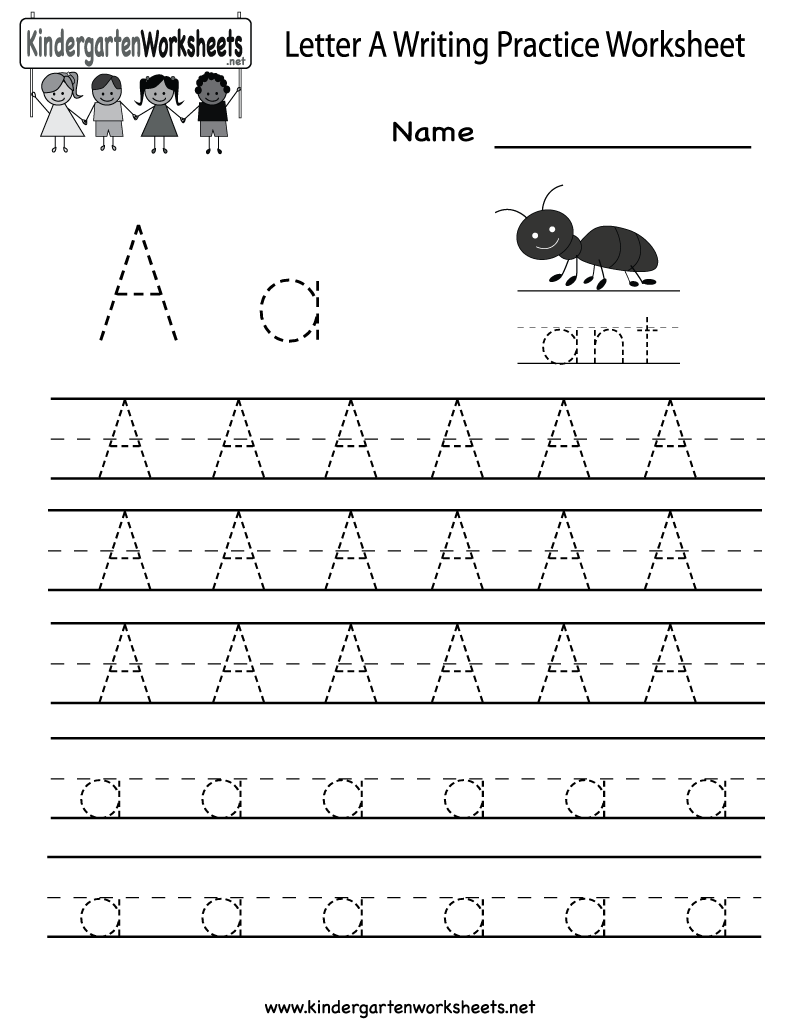
Tracing worksheets are excellent for beginners. They typically feature dotted letters that children can follow with their pencils or crayons. This method provides a clear visual guide, helping kids learn the proper strokes and shapes of each letter. Look for worksheets that include both uppercase and lowercase letters, as mastering both is crucial at this stage.
Coloring Pages
Incorporating coloring pages into handwriting practice can make learning fun. These pages often feature letters alongside related images, such as “A” for apple or “B” for ball. Children can color the images while also practicing writing the letters, reinforcing their understanding of letter-sound relationships.
Freehand Writing Sheets
Once children become more comfortable with tracing, introducing freehand writing sheets is the next step. These sheets provide empty lines with the letters at the top for reference. Kids can practice writing the letters independently, which fosters confidence and reinforces muscle memory.
Themed Worksheets
Themed worksheets can be particularly engaging. Seasonal themes, holidays, or popular children’s characters can make handwriting practice feel like a fun activity rather than a chore. These worksheets can include tracing, coloring, and even simple sentences related to the theme.
Incorporating Handwriting Practice Into Daily Routines
Integrating handwriting practice into daily routines can help reinforce skills without overwhelming children. Here are some practical suggestions for parents and teachers:
- Set a Regular Time: Dedicate a specific time each day for handwriting practice. This could be during a quiet afternoon or as part of the morning routine. Consistency is key to developing skills.
- Use Everyday Items: Encourage children to practice writing letters using items they encounter daily, such as writing on a grocery list or labeling their toys. This helps them see the practical application of handwriting.
- Combine with Other Subjects: Incorporate handwriting practice with other subjects, such as spelling or vocabulary. For instance, if they are learning new words, have them write the words out as part of their practice.
- Celebrate Progress: Celebrate milestones, whether that’s mastering a letter or completing a set of worksheets. Positive reinforcement can motivate children to continue practicing.
Selecting the Right Paper and Tools
Choosing the right tools can impact the effectiveness of handwriting practice. Here are some tips:
- Paper Type: Use printer paper or stationery that is smooth but sturdy enough to withstand erasing and repeated writing. Consider using paper with pre-printed lines or grids to guide children in maintaining size and alignment.
- Writing Instruments: Offer a variety of writing tools, such as pencils, crayons, or markers. Some children may prefer the feel of one over the others. For younger learners, triangular pencils can help grip and control better.
- Laminating Worksheets: If a worksheet will be used multiple times, consider laminating it. This allows children to use dry-erase markers for tracing and practicing without wasting paper.
Encouraging a Growth Mindset
Encouraging a growth mindset during handwriting practice helps children understand that improvement comes with practice. Remind them that making mistakes is part of learning and that persistence will lead to progress.
- Model Positive Language: Use encouraging phrases like “You’re getting better every day!” or “Look at how well you wrote that letter!” This positive reinforcement can boost their confidence.
- Provide Constructive Feedback: Instead of focusing solely on what they did wrong, highlight what they did well. For instance, if they wrote a letter beautifully but struggled with another, praise the successful one while gently guiding them on how to improve the other.
Creating a Fun Learning Environment
An enjoyable learning atmosphere can significantly enhance children’s willingness to practice handwriting. Here are a few ideas to make the experience enjoyable:
- Use Music: Play soft background music during practice sessions. This can create a relaxed environment and help children focus better.
- Incorporate Movement: Integrate physical activity by allowing kids to stand while practicing or use large writing surfaces like whiteboards. This can make handwriting feel less rigid and more dynamic.
- Peer Learning: If teaching multiple children, encourage them to practice together. Peer support can foster a sense of community and make learning more enjoyable.
Immediate Action Steps
For those looking to start Letter Handwriting Practice For Kindergarten, consider downloading a selection of engaging, age-appropriate worksheets tailored to your child’s interests. Look for resources that offer a mix of tracing, freehand writing, and themed activities. Set a time each day for practice, and remember to celebrate their progress along the way. By making handwriting practice a fun and integral part of your day, you’ll help lay the foundation for your child’s writing skills.









