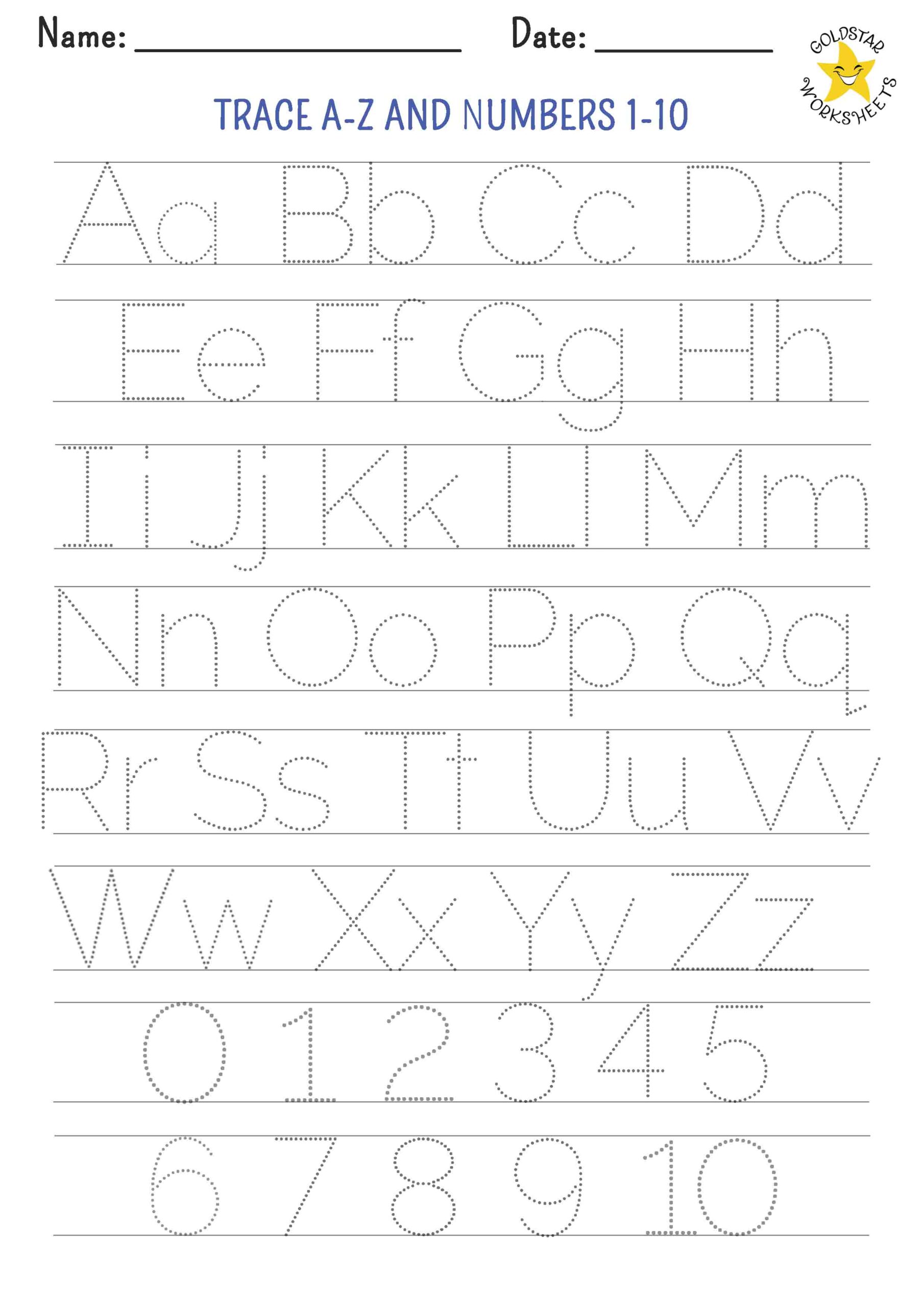
Number and alphabet tracing sheets are invaluable tools for teachers and parents aiming to support young learners in developing their writing skills. If you are in a classroom setting or homeschooling, these worksheets provide a structured way for children to practice their letters and numbers. In this guide, we will explore the benefits of using tracing sheets, how to effectively incorporate them into your teaching routine, and practical tips on printing and using these resources.
Understanding the Purpose of Tracing Sheets
Tracing sheets serve a fundamental purpose in early childhood education: they help children learn how to write letters and numbers by providing a guided experience. The act of tracing not only reinforces the shape and structure of letters and numbers but also helps improve fine motor skills. As children trace the lines, they gain muscle memory, which is crucial for independent writing later on.
Benefits of Using Tracing Sheets
- Improves Fine Motor Skills: The repetitive motion of tracing strengthens the small muscles in a child’s hands and fingers, leading to better control and dexterity.
- Builds Confidence: As children successfully trace letters and numbers, they gain confidence in their writing abilities, which encourages them to try writing independently.
- Encourages Focus and Concentration: The structured nature of tracing helps children practice focus, as they must pay attention to the lines and shapes.
- Provides Visual Learning: Children often learn better when they can see a clear example. Tracing sheets provide a visual guide that helps them understand how to form letters and numbers accurately.
Selecting the Right Tracing Sheets
When choosing tracing sheets for your students or children, consider the following factors:
- Age Appropriateness: Select sheets that match the developmental stage of the child. For preschoolers, simpler shapes and letters are ideal, while older children can handle more complex forms.
- Variety of Fonts: Some tracing sheets use manuscript (block letters), while others use cursive. Choose based on what you want the child to learn. It’s often beneficial to introduce both styles.
- Size of Tracing Lines: Thicker lines can be easier for young children to trace, while thinner lines can challenge older kids who have developed more control.
- Themes and Context: Tracing sheets that incorporate themes (like animals, seasons, or holidays) can make learning more engaging.
Effective Ways to Use Tracing Sheets
Using Number and Alphabet Tracing Sheets effectively involves more than just handing them out and expecting children to use them independently. Here are some practical strategies for incorporating these sheets into your teaching routine:
1. Guided Practice Sessions
Consider setting aside specific times in your lesson plans for guided practice using tracing sheets. Sit with the children and demonstrate how to trace a letter or number. Encourage them to verbalize the shapes as they trace; this reinforces their understanding and retention.
2. Incorporate Different Mediums
While pencils are the most common tool for tracing, try incorporating crayons, markers, or even finger paints for a more tactile experience. This can make the activity more enjoyable and cater to different learning styles.
3. Use as Homework or Extra Practice
Sending tracing sheets home can provide practice outside of the classroom. Parents can work with their children during quiet times to reinforce what was learned during the day.
4. Create a Tracing Station
In your classroom or home, set up a dedicated tracing station with a variety of tracing sheets, writing tools, and perhaps even some fun stickers or stamps for completed work. This encourages children to engage with the material independently.
5. Combine With Other Activities
Integrate tracing sheets into broader learning activities. For instance, after tracing letters, have students create words using those letters with blocks or magnetic letters. This reinforces the connection between the traced letters and their usage in language.
Printing and Preparing Tracing Sheets
When it comes to printing Number and Alphabet Tracing Sheets, a few practical considerations can enhance the usability of these resources:
Choosing the Right Paper
- Standard Printer Paper: This is sufficient for most purposes, especially if the sheets will be used for one-time practice.
- Cardstock: For sheets that will be reused or for children who may press harder, cardstock is a sturdier option that holds up better over time.
- Laminating: If you want to make tracing sheets reusable, consider laminating them. This allows children to trace with dry-erase markers, making cleanup easy.
Optimal Printer Settings
- Portrait Orientation: Most tracing sheets are designed in portrait layout, which works well with standard home printers.
- Quality Settings: Use a higher quality print setting for clearer, more visible lines, especially if the tracing sheets have intricate designs.
Organizing Printed Sheets
Once printed, keep the tracing sheets organized by level or theme. Use folders or binders with labeled sections to make it easy for children or parents to find the appropriate sheets quickly.
Assessing Progress and Providing Feedback
Tracking a child’s progress with tracing sheets can be rewarding for both educators and parents. Here are some tips for effective assessment:
- Regular Check-ins: Observe children as they use the sheets. Are they forming letters correctly? Are they improving in their control? Regular check-ins can help you identify areas that need more focus.
- Positive Reinforcement: Celebrate small victories. Whether it’s mastering a letter or showing improvement in their tracing, positive feedback encourages continued effort.
- Progress Tracking: Keep a portfolio of completed tracing sheets to visually demonstrate progress over time. This can motivate children by showing how far they’ve come.
Adapting Tracing Sheets for Different Learning Styles
Every child learns differently, so it can be beneficial to adapt tracing activities to suit various learning styles:
- Visual Learners: Use brightly colored sheets or those with images that relate to the letters and numbers being traced.
- Kinesthetic Learners: Allow these children to trace letters in sand or with their fingers on textured surfaces. This hands-on approach can enhance their learning experience.
- Auditory Learners: Incorporate songs or rhymes that include the letters and numbers to engage these learners while they trace.
By considering the unique needs of each child and adapting your approach, you can create a more inclusive learning environment.









