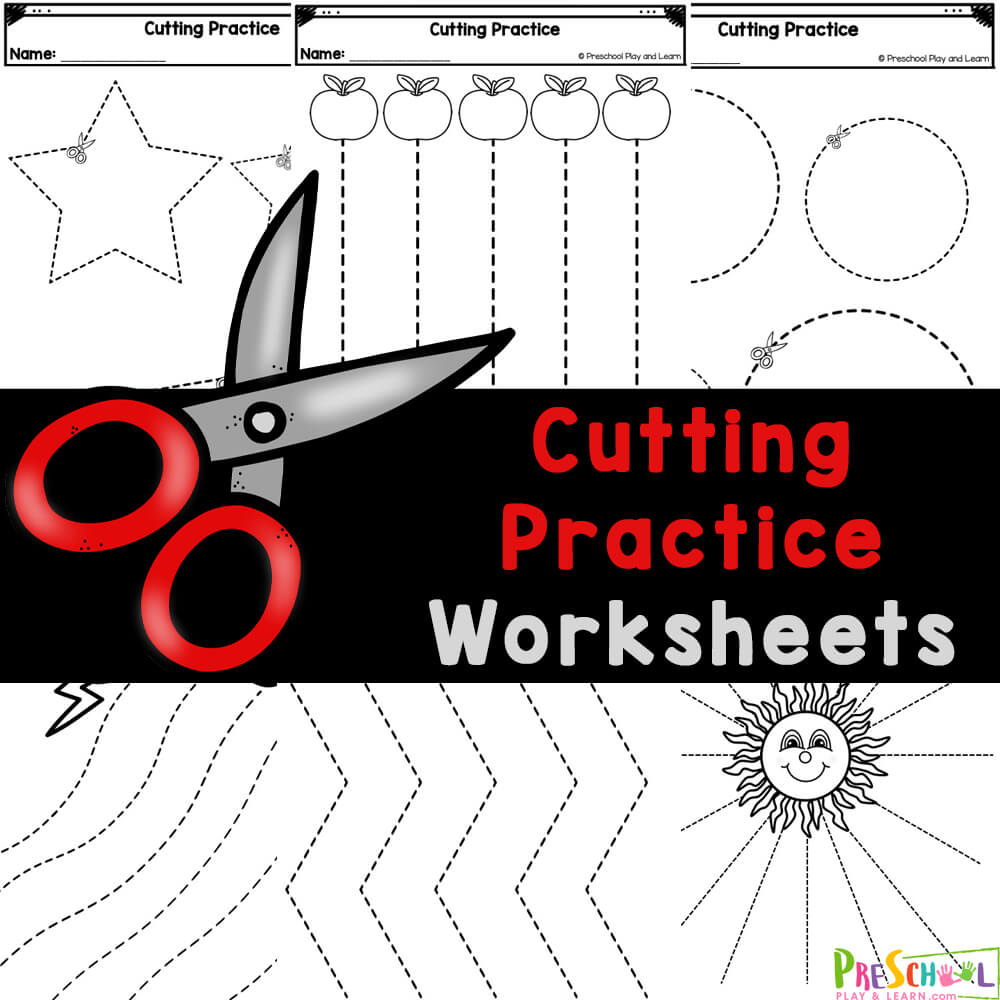
Teaching preschoolers how to cut effectively is an essential skill that lays the foundation for their fine motor development. Cutting Skills For Preschoolers Worksheets provide engaging activities that help children practice this important ability. These worksheets typically come in PDF format, which allows for easy printing and distribution.
Importance of Cutting Skills in Early Education
Cutting is more than just a fun activity; it’s an important milestone in preschool development. It enhances hand-eye coordination, dexterity, and concentration. As preschoolers engage with scissors, they learn to control their hand movements, which is critical for other tasks like writing and drawing. The worksheets available for this skill often include a variety of shapes and lines that children can follow, making the cutting experience both educational and enjoyable.
Features of Cutting Skills For Preschoolers Worksheets
When selecting Cutting Skills For Preschoolers Worksheets, several features should be considered to ensure they meet educational needs:
- Variety of Shapes: Look for worksheets that include diverse shapes, such as circles, squares, and more complex designs. This variety keeps children engaged and helps them practice different cutting techniques.
- Clear Guidelines: Worksheets should have clearly defined cutting lines. Dotted lines or dashed outlines make it easy for children to see where they need to cut, promoting confidence as they learn.
- Engaging Themes: Worksheets with themes—like animals, seasons, or holidays—can capture children’s interest and make the learning process more enjoyable. Thematic worksheets can also tie into other lesson plans, reinforcing knowledge across subjects.
Types of Activities Included
Cutting Skills For Preschoolers Worksheets often incorporate various activities designed to enhance not just cutting skills but also creativity and cognitive functions. Some common activities include:
- Straight Lines: Worksheets that focus on cutting straight lines help children develop precision. This foundational skill is essential before moving on to more complex shapes.
- Curved Lines: Once children are comfortable with straight lines, they can progress to worksheets that feature curved lines. These worksheets challenge their cutting ability further and help develop control.
- Creative Projects: Some worksheets may encourage children to create a craft by cutting out shapes and assembling them. This not only reinforces cutting skills but also allows for creativity and imaginative play.
Recommended Paper and Printing Options
To make the most of Cutting Skills For Preschoolers Worksheets, consider the following paper and printing options:
- Paper Type: Using heavier paper, like cardstock, can provide better durability, especially if the worksheets will be used multiple times. Regular printer paper is also suitable, but it may wear out faster.
- Size: Standard letter-sized (8.5 x 11 inches) worksheets are ideal for home printers. This size is easy to handle for small hands and fits well in binders or folders.
- Print Settings: For the best results, set your printer to the highest quality. This ensures that lines are crisp and clear, making it easier for children to follow them as they cut.
Integrating Worksheets Into Daily Learning
Incorporating Cutting Skills For Preschoolers Worksheets into daily learning routines can enhance children’s engagement. Here are a few practical tips:
- Daily Practice: Set aside a specific time each day for cutting activities. Consistency helps children develop their skills more effectively.
- Group Activities: Use worksheets in group settings to foster social skills. Children can work together, share tips, and encourage each other, making the learning experience more enjoyable.
- Cross-Disciplinary Learning: Integrate cutting activities with other subjects. For instance, after a lesson on shapes, children can cut out various shapes to reinforce their learning while practicing their cutting skills.
Safety Considerations When Using Scissors
Safety is paramount when teaching cutting skills. It’s essential to provide age-appropriate scissors designed for preschoolers, which usually have rounded tips and are made to be safer for little hands. Here are some safety tips:
- Supervision: Always supervise children while they are using scissors. This ensures they are using them correctly and helps prevent accidents.
- Demonstration: Before allowing children to cut on their own, demonstrate how to hold the scissors properly and how to cut safely. This can help them understand the mechanics of cutting before they attempt it themselves.
Additional Resources for Enhancing Cutting Skills
Besides worksheets, there are other resources that can complement cutting skill development:
- Scissor Skills Books: Consider books that focus on scissor skills, as they often provide additional exercises and tips for parents and teachers.
- Online Videos: Educational videos can offer demonstrations of cutting techniques and creative projects, which can inspire children and provide visual learning.
- Craft Supplies: Incorporating various materials like colored paper, fabric, or magazines for cutting can enhance interest and provide different textures to work with.
The most effective way to engage preschoolers in cutting activities is by making them fun and varied. Visual creativity combined with practical skill development fosters both interest and learning. By utilizing Cutting Skills For Preschoolers Worksheets, teachers and parents can effectively support children in mastering this fundamental skill.









