Coloring pages can be a delightful way for children to explore creativity while learning about the world around them. Day and Night Coloring Pages are especially engaging, as they introduce kids to the concepts of time, nature, and the differences between day and night. This guide will help you understand how to use these coloring pages effectively in your classroom or at home, ensuring that the activity is both fun and educational.
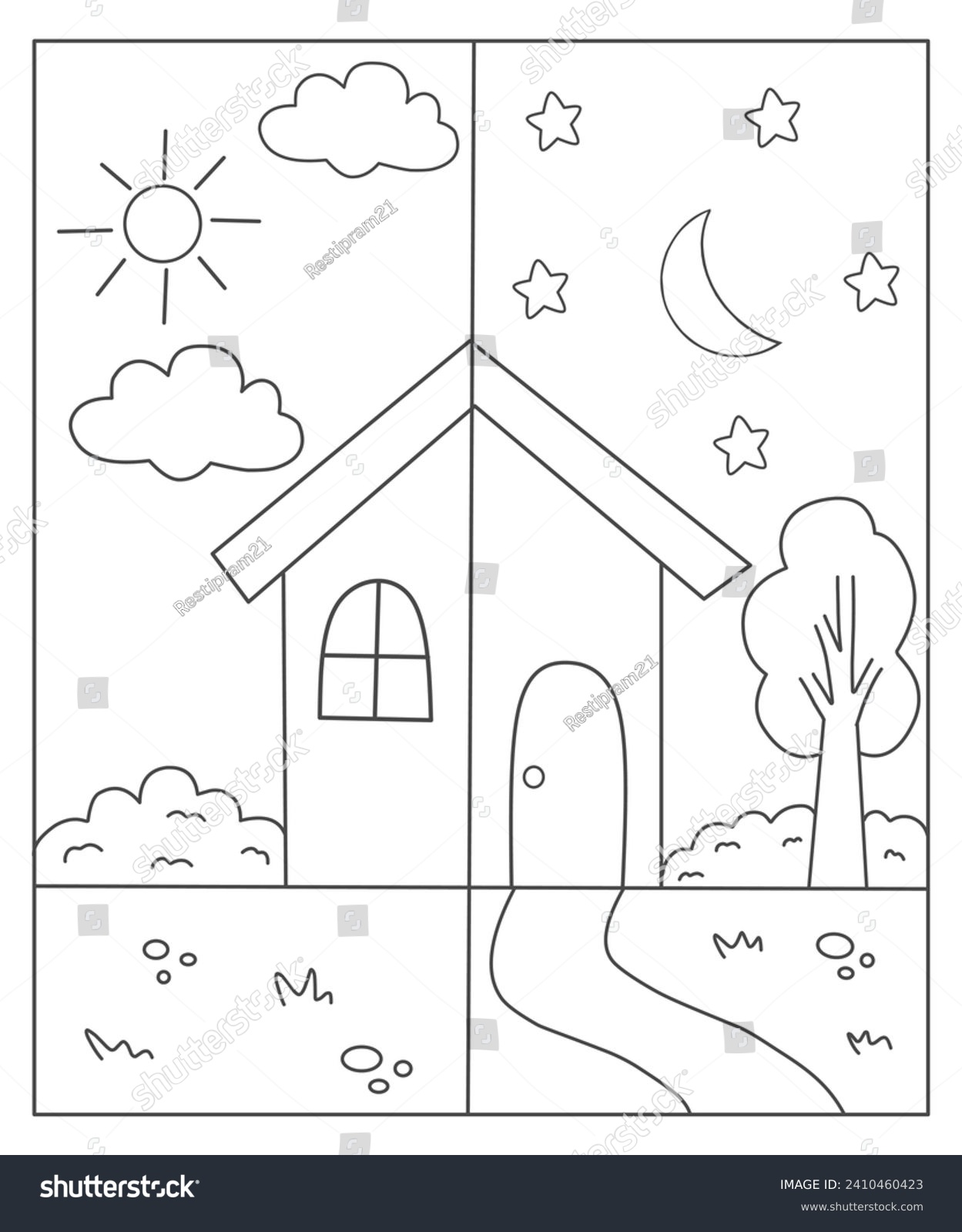
Understanding Day and Night Concepts
Before diving into the coloring pages, it’s essential to understand the basic concepts of day and night. During the day, sunlight brightens the sky, and you’ll see various activities like children playing, animals roaming, and people working. Conversely, night brings darkness, stars, and a quieter atmosphere. This distinction can be a great conversation starter with young learners.
Educational Value
Using Day and Night Coloring Pages can serve multiple educational purposes:
- Visual Learning: Children can visualize the differences between day and night through images.
- Creative Expression: Coloring allows for personal expression and creativity.
- Fine Motor Skills: Holding crayons and coloring helps develop fine motor skills, which are critical for writing later on.
- Understanding Nature: Kids learn about the natural world, including animals and plants active during different times.
Choosing the Right Coloring Pages
When selecting Day and Night Coloring Pages, consider the age and skill level of your students. Here are some tips:
- Age Appropriateness: For younger children, opt for simpler designs with larger areas to color. For older children, choose more intricate designs that challenge their creativity and concentration.
- Theme Selection: Look for pages that depict various day and night scenarios. For example, pages featuring a sunny park scene or a starry night sky can be both fun and educational.
- Cultural Relevance: Include images that represent different cultures’ interpretations of day and night. This can encourage discussions about diversity and global perspectives.
Printing Tips for Optimal Use
To make the most of your Day and Night Coloring Pages, follow these printing tips:
- Paper Type: Use standard printer paper (8.5 x 11 inches) for regular coloring. If you want the pages to last longer, consider using cardstock, which holds up better to coloring and can be laminated afterward.
- Printer Settings: Set your printer to “Best Quality” for a clear printout. This ensures that fine details in the illustrations are visible and easy to color.
- Coloring Materials: Provide a variety of coloring materials such as crayons, colored pencils, and markers. Each medium offers a different experience and encourages children to experiment with their techniques.
Creative Uses for Coloring Pages
Day and Night Coloring Pages can be integrated into various activities to enhance learning:
- Story Time: After coloring, encourage children to create a story based on what they colored. This can improve their narrative skills and encourage imagination.
- Learning Stations: Set up a learning station in your classroom where kids can color while learning about the solar system, the concept of time, or animal behavior during day and night.
- Art Displays: Create a classroom gallery where children can display their finished coloring pages. This promotes a sense of pride in their work and encourages peer appreciation.
Incorporating Day and Night Themes Into Lessons
To maximize the educational value of Day and Night Coloring Pages, consider integrating them into broader lessons:
- Science Lessons: Discuss the Earth’s rotation and how it affects the cycle of day and night. Use the coloring pages to illustrate this concept.
- Art Lessons: Teach about color theory and how colors can change the mood of a scene. Ask students to use warm colors for daytime and cool colors for nighttime scenes.
- Language Arts: Have children write a few sentences about their favorite things to do during the day and night. This reinforces their learning through writing.









