Coloring worksheets for 1st graders can be a fantastic resource for teachers looking to enhance their students’ creativity and fine motor skills. Unlike generic coloring pages, these worksheets are designed to align with educational goals while providing a fun and relaxing activity for young learners. In this guide, I’ll break down the benefits of using these specialized worksheets, how to effectively incorporate them into your classroom, and specific tips for printing and utilizing these resources to maximize their potential.
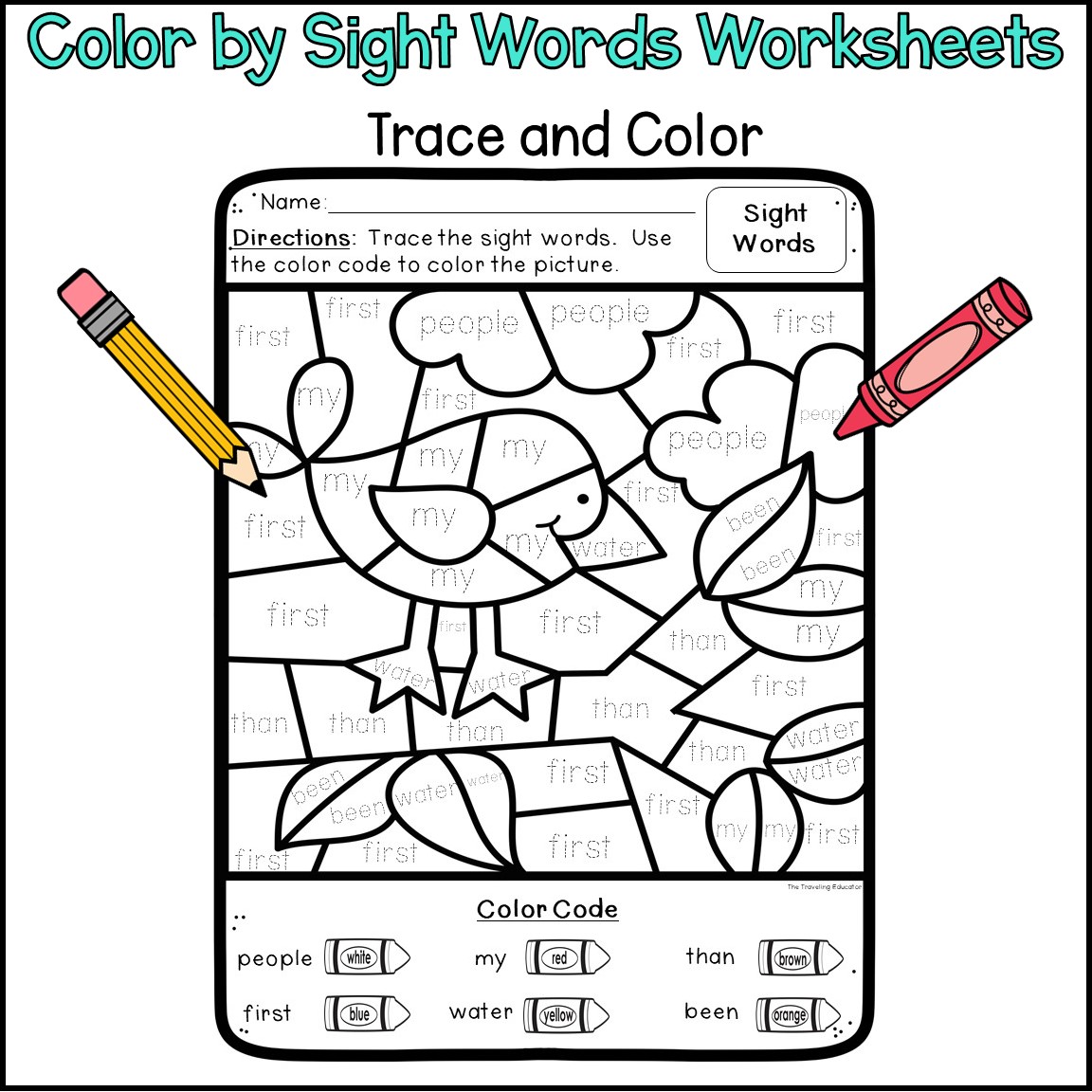
Benefits of Coloring Worksheets for 1st Graders
Coloring worksheets specifically tailored for 1st graders serve multiple purposes. First, they help develop fine motor skills, which are crucial at this stage of a child’s development. When children color within the lines, they improve their hand-eye coordination and dexterity. This can be particularly beneficial for tasks like writing, which they’ll encounter more frequently as they progress through school.
Additionally, these worksheets can be a valuable tool for reinforcing concepts taught in class. For example, a worksheet featuring animals can connect with a science lesson about habitats. This integration of subjects not only makes learning more cohesive but also allows students to express their understanding creatively.
Furthermore, coloring can have therapeutic benefits. It provides a mindful break in a busy school day, allowing students to focus and relax. This aspect is often overlooked but is essential for maintaining a balanced educational environment.
Choosing the Right Coloring Worksheets
When selecting coloring worksheets for your 1st graders, consider the following factors:
- Theme and Content: Choose worksheets that relate to the subjects you’re teaching. For instance, if your students are learning about seasons, look for worksheets that feature seasonal themes. This will help reinforce their learning.
- Complexity: Ensure that the complexity of the designs is appropriate for 1st graders. Too intricate designs may frustrate young learners, while too simple ones may not hold their interest. Look for pages with clear, bold outlines that are easy for young children to color.
- Educational Value: Opt for worksheets that include educational elements, such as letters, numbers, or shapes. This way, coloring becomes a dual-purpose activity, combining fun with learning.
Incorporating Coloring Worksheets Into Your Lessons
Integrating coloring worksheets into your teaching can be done in several effective ways:
1. As a Warm-Up Activity
Start your day with a coloring worksheet as a warm-up activity. This helps students transition into the school day and prepares them for more focused tasks. It can also serve as a calming activity for children who may be anxious about the day ahead.
2. During Lessons
Use coloring worksheets as part of your lesson plans. For instance, after discussing a particular topic, hand out a related coloring worksheet. This allows students to express what they’ve learned in a creative way.
3. As a Reward
Coloring worksheets can also function as a reward for good behavior or completing assignments. Providing these worksheets as a treat encourages students to engage positively in their learning environment.
Printing Tips for Coloring Worksheets
To ensure the best results when printing coloring worksheets, consider the following tips:
- Paper Type: Use thicker paper, such as cardstock, especially if students will be using markers or watercolor. Thicker paper prevents bleed-through and allows for vibrant colors.
- Print Settings: Always check your printer settings before printing. Most home printers work well with standard letter size (8.5″ x 11″). If available, select the ‘actual size’ option to avoid any scaling that might distort the designs.
- Landscape vs. Portrait: Depending on the design, landscape orientation can sometimes provide more space for coloring. If the worksheet is wide, adjust your print settings accordingly.
4. Digital Access
Consider providing digital copies of coloring worksheets for students to color on tablets. This can be especially useful for remote learning situations or for providing a variety of options.
Creative Uses Beyond Coloring
While the primary use of these worksheets is coloring, consider additional creative applications:
- Story Starters: Have students color a worksheet, then write a short story based on the image. This approach combines art with literacy skills.
- Art Displays: Create a classroom gallery by displaying students’ finished coloring worksheets. This not only celebrates their work but also builds a sense of community in the classroom.
- Gift Cards: Use colored worksheets to create personalized greeting cards for special occasions. Students can add their own messages and give them to family or friends.









