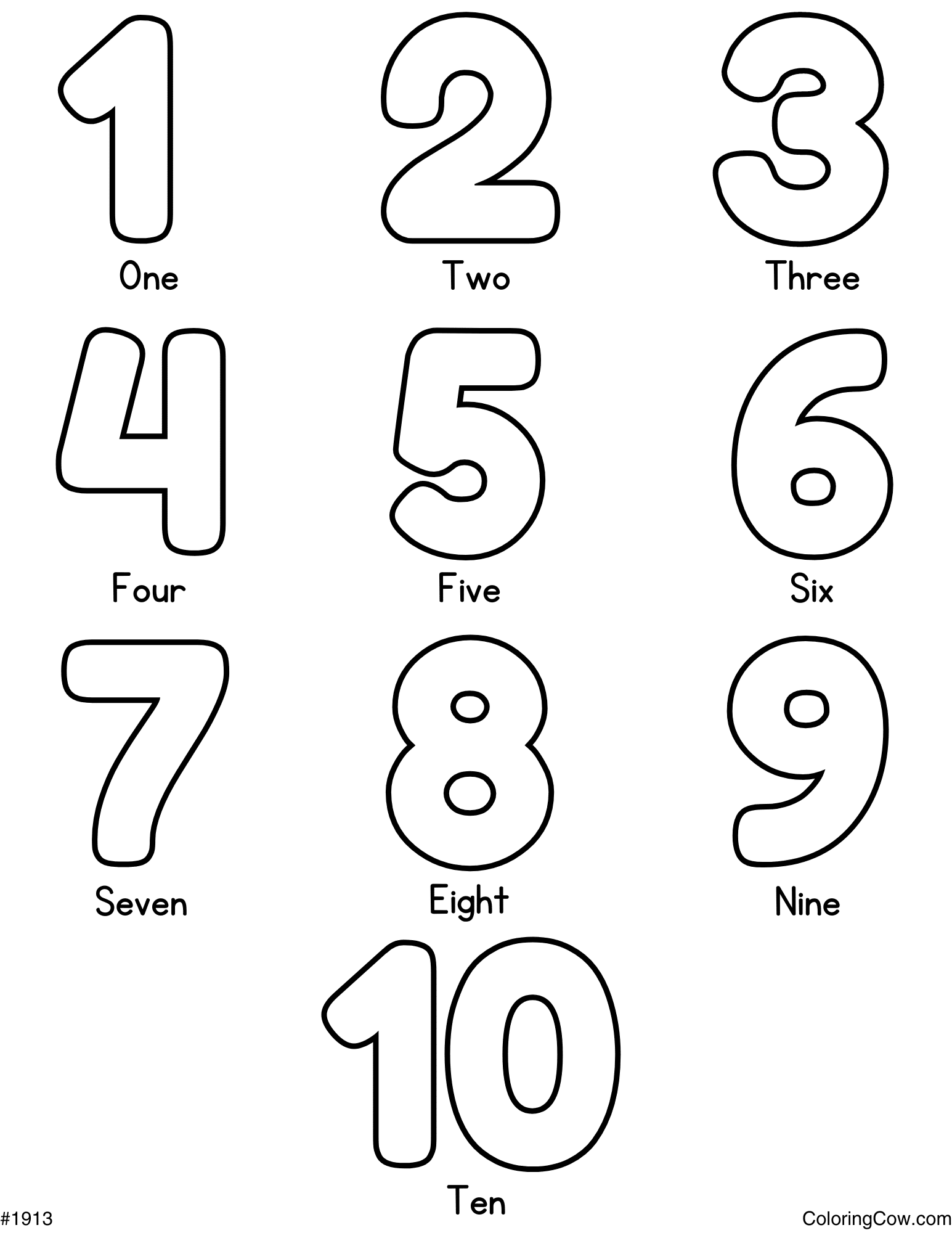
When little Jamie sat at the kitchen table, a rainbow of crayons spread out before her, she felt a rush of excitement. Today’s activity was special: she was diving into a world of 1 To 10 Coloring Pages. These pages not only provided a canvas for her creativity but also a fun way to practice her counting skills. Teachers and parents alike can find immense value in these resources, as they blend learning with artistic expression seamlessly.
Understanding the Benefits of 1 To 10 Coloring Pages
1 To 10 Coloring Pages serve as an engaging educational tool for young learners. They help children familiarize themselves with numbers while allowing them to express their creativity. By incorporating these coloring pages into lessons or home activities, caregivers can create a dynamic learning environment.
These coloring pages typically feature numbers accompanied by corresponding images. For instance, a page might showcase the number “1” with a single apple to color, and “2” with two balloons. Such visual aids reinforce number recognition and counting skills in a playful manner.
Selecting the Right Materials for Coloring
Choosing the right materials can significantly enhance the coloring experience. While crayons are a popular choice, offering a variety of coloring tools can be beneficial. Consider providing:
- Colored pencils: These allow for finer details and blending.
- Markers: They can be great for bold, vibrant colors.
- Watercolors: If you’re feeling adventurous, these can add a unique touch to the pages.
It’s also important to select appropriate paper. Standard printer paper can work, but using heavier cardstock can prevent bleed-through, especially with markers or watercolors. This ensures that the finished artwork remains intact and vibrant.
Creative Uses for Finished Coloring Pages
Once the coloring is complete, the possibilities for these pages extend beyond mere display. Here are some creative ideas for utilizing the finished artwork:
Framing Artwork
Framing a child’s artwork can instill a sense of pride and accomplishment. A simple frame can elevate the colored page, turning it into a piece of decor for a child’s room or a common area in the house. Consider creating a rotating gallery by changing the framed artwork regularly.
Creating Personalized Gifts
Colored pages can be transformed into thoughtful gifts. For example, a child can color a page featuring the number “3” with three flowers, and this can be turned into a card for a family member or friend. Adding a personal message can make it even more special.
Compiling a Portfolio
Encourage children to keep a portfolio of their coloring pages. This not only helps track their progress but also allows them to look back on their artistic journey. Over time, they can see how their skills have developed, which can be incredibly motivating.
Tips for Printing 1 To 10 Coloring Pages
When it comes to printing these coloring pages, there are a few tips to ensure the best results:
- Check Printer Settings: Make sure to set your printer to “best quality” for optimal color output. This helps in achieving vibrant colors that can make the coloring experience more enjoyable.
- Paper Size: Standard letter-sized paper (8.5” x 11”) is commonly used, but some pages may require different sizes. Always check the dimensions before printing to avoid any surprises.
- PDF Format: If the coloring pages are offered in PDF format, this can help maintain the layout and quality during printing. PDFs are less likely to reformat incorrectly compared to image files.
Incorporating Educational Elements
While coloring is inherently fun, there are ways to incorporate educational elements into the activity. For example:
- Counting Exercises: After coloring, ask children to count the number of items depicted on their page. This reinforces their counting skills in a practical way.
- Storytelling: Encourage children to create a short story about the images they’ve colored. This can help develop their language skills and creativity simultaneously.
- Math Connections: Use the pages as a springboard for simple math problems. For example, if they colored three stars, you can ask them questions like, “If you have two more stars, how many do you have now?”
Finding Quality 1 To 10 Coloring Pages
There are numerous sources available for finding high-quality 1 To 10 Coloring Pages. Here are a few places to explore:
- Educational Websites: Many educational sites offer free downloadable resources tailored for various age groups. Look for those that provide coloring pages specifically designed for teaching numbers.
- Social Media Groups: Online communities for teachers and parents often share valuable resources, including coloring pages. These groups can be a great way to connect with others who are also focused on early childhood education.
- Printable Resource Websites: Websites dedicated to printable resources often have a section specifically for coloring pages. These can provide a wide variety of themes and styles.
By exploring different sources, caregivers can find the perfect coloring pages to fit their teaching style and the interests of their children.
Engaging Kids Beyond Coloring
After the coloring is done, consider extending the learning experience. Here are some interactive activities to keep kids engaged:
- Coloring Challenges: Set timers for quick coloring sessions, encouraging them to complete pages in a limited time. This can add excitement and a sense of competition.
- Collaborative Coloring: Encourage siblings or friends to work on the same page together. This promotes teamwork and sharing of ideas.
- Art Shows: Organize a mini art show at home where children can display their completed coloring pages. Invite family members to appreciate their work, giving kids a platform to showcase their creativity.
By integrating these activities, the simple act of coloring can evolve into a multifaceted learning experience.









