Adding and subtracting can be tricky for young learners, but using fun resources like coloring sheets can make these concepts more approachable. Adding And Subtracting Coloring Sheets provide an engaging way for children to practice their math skills while expressing their creativity. These coloring pages not only help reinforce basic math concepts but also serve as a calming activity that can enhance focus and retention.
What Are Adding And Subtracting Coloring Sheets?
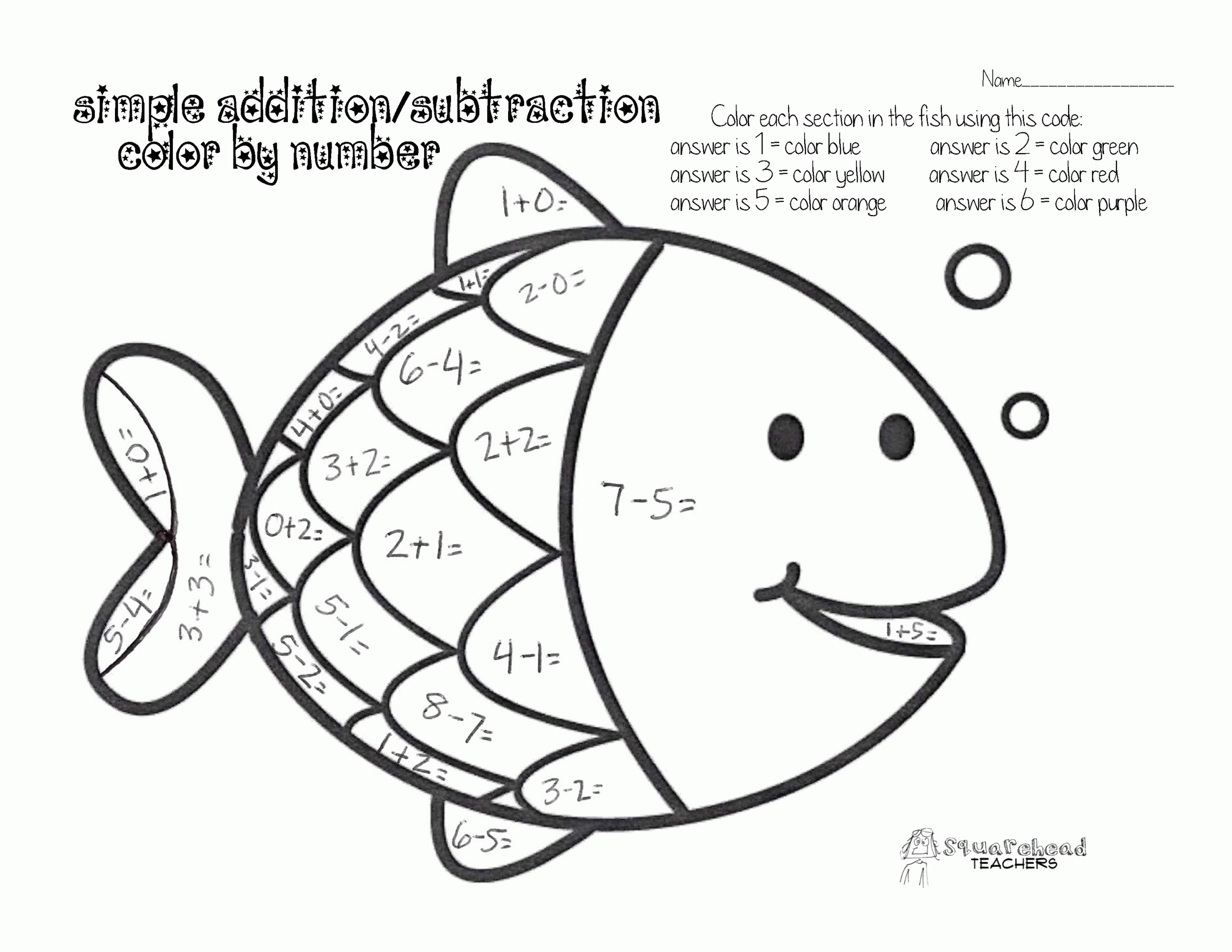
Adding And Subtracting Coloring Sheets are specially designed worksheets that combine mathematical problems with artistic expression. Each sheet typically features a series of addition and subtraction problems, where the answers correspond to specific color codes. When students solve the problems, they can color the corresponding sections of the page, creating an illustration as they learn.
These resources are suitable for various age groups, particularly for kindergarten through second grade, where foundational math skills are being developed. They can be used in classrooms, during tutoring sessions, or even at home for extra practice.
Materials You’ll Need
To get the most out of your Adding And Subtracting Coloring Sheets, gather a few basic materials. Here’s what you’ll need:
- Coloring Tools: Crayons, markers, or colored pencils work well. Each has its benefits:
- Crayons are great for younger children as they are easy to grip and less messy.
- Markers offer vibrant colors but can bleed through thinner paper.
- Colored pencils allow for more precision and blending of colors.
- Paper Type: Choose the right paper to avoid bleed-through. Standard printer paper (20 lb) is fine for most coloring activities, but if you’re using markers, consider a heavier weight (24 lb) or cardstock to prevent ink from seeping through.
- Printer Settings: When printing, select the correct paper size (usually 8.5 x 11 inches) and ensure your printer is set to the best quality to capture the details of the coloring sheets.
Creative Uses in the Classroom
Adding And Subtracting Coloring Sheets can enhance your lesson plans in various ways:
- Math Centers: Set up a math center where students can rotate through different activities, including coloring sheets. This adds a tactile element to their learning.
- Homework Assignments: Assign these coloring sheets as homework to reinforce skills learned in class. They can be a delightful way for students to practice at home without feeling overwhelmed.
- Group Activities: Use these sheets for group work. Students can collaborate to solve problems and share their finished artwork, fostering teamwork.
- Incorporate Themes: Align the coloring sheets with seasonal themes or classroom topics. For example, use fall-themed sheets in October or holiday-themed sheets in December to keep students engaged.
Tips for Effective Use
To maximize the benefits of Adding And Subtracting Coloring Sheets, consider these tips:
- Set Clear Instructions: Explain how to solve the problems and how the coloring aspect works. Ensure students understand the connection between the math problems and the colors.
- Monitor Progress: Walk around the classroom as students work. This allows you to provide support as needed and gauge understanding.
- Celebrate Completion: Create a display area for finished coloring sheets. This not only motivates students but also allows them to take pride in their work.
- Integrate with Other Subjects: Use these sheets to connect math with art. Discuss shapes, colors, or even storytelling based on the images they create.
Printing and Preparation Tips
When preparing your Adding And Subtracting Coloring Sheets, keep these practical tips in mind:
- Test Print First: Always do a test print with a single sheet to check the quality and color settings before printing multiple copies.
- Lamination for Durability: If you plan to reuse the sheets, consider laminating them. This way, students can use dry-erase markers to color and erase their work.
- Organize by Difficulty: Group sheets by difficulty level, so you can easily select the right one for your students’ needs. This can help differentiate instruction in a mixed-ability classroom.
- Create a Binder: Compile a collection of different coloring sheets in a binder. This allows you to have a variety of resources on hand for different lessons or themes.
Engaging Students With Coloring Sheets
Coloring sheets can transform traditional math lessons into interactive experiences. Here’s how to engage students effectively:
- Interactive Discussions: After completing a sheet, hold a discussion about the problems. Ask students how they arrived at their answers and what strategies they used.
- Artistic Expression: Encourage students to personalize their coloring sheets. Let them add their own designs or patterns around the math problems to make the activity more personal.
- Incorporate Technology: If you have access to tablets or computers, consider using digital coloring apps that allow students to solve math problems and color on-screen.
- Use as Assessments: These sheets can double as informal assessment tools. By reviewing the completed pages, you can quickly identify areas where students may need additional practice.









