Dot to dot worksheets are a fun and engaging way for children to develop essential skills such as counting, hand-eye coordination, and fine motor skills. Print Dot To Dot Worksheets are available in various themes and difficulty levels, making them perfect for young learners in preschool through early elementary grades. These worksheets not only provide entertainment but also serve as valuable educational tools that can be integrated into lesson plans or used for independent practice.
Understanding Dot to Dot Worksheets
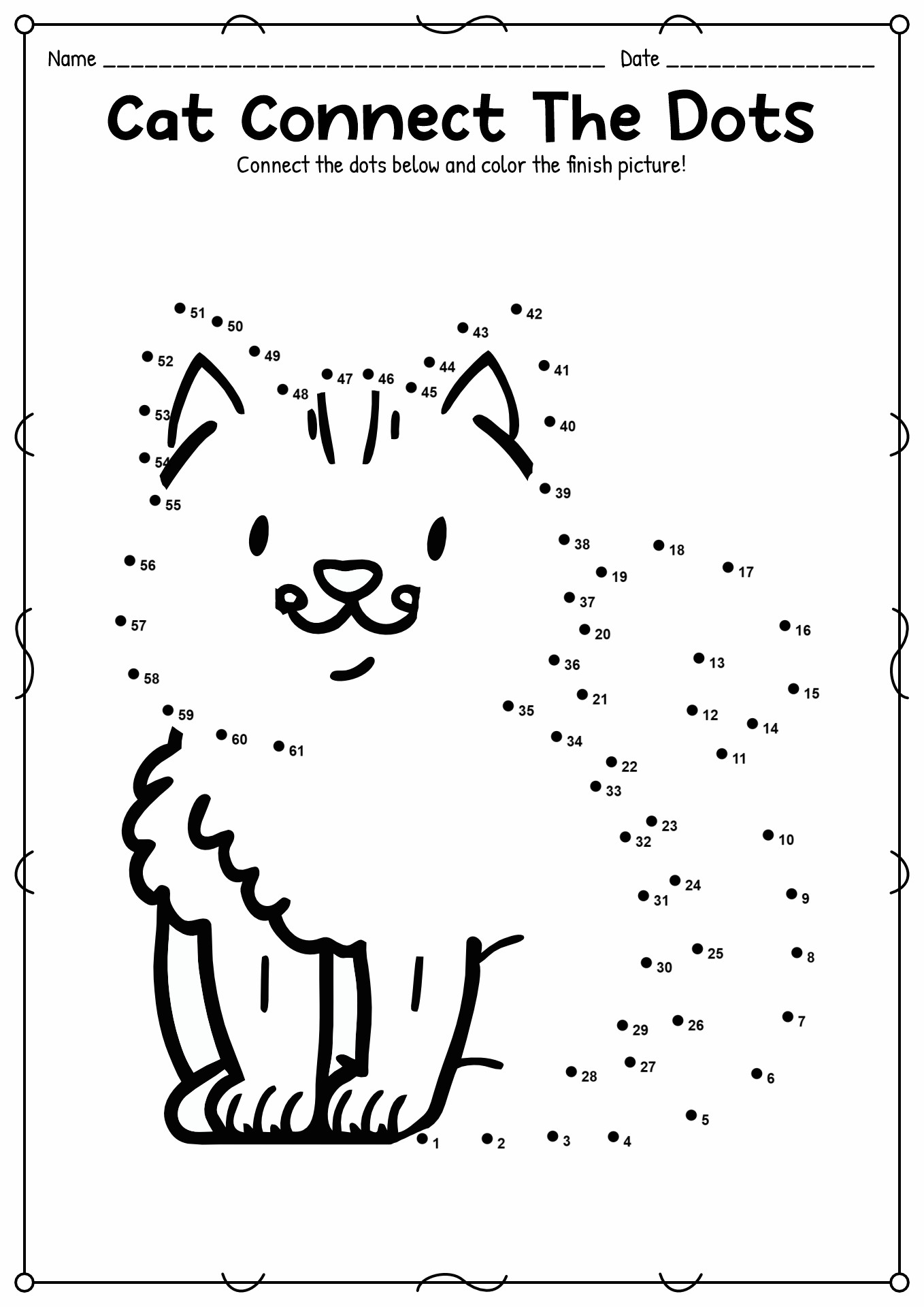
Dot to dot worksheets typically consist of a series of numbered dots that children connect in sequential order to reveal an image. The process of connecting the dots helps children practice counting, as they must recognize numbers and follow the correct sequence. Additionally, completing these worksheets promotes fine motor skills as kids grasp pencils or crayons to draw lines between the dots.
The designs can range from simple shapes and characters to more complex images, catering to different age groups and skill levels. For instance, younger children might enjoy connecting dots to form basic shapes, while older students could tackle more intricate designs, such as animals or scenes from their favorite stories.
Choosing the Right Format for Download
When it comes to downloading Print Dot To Dot Worksheets, you’ll typically find them available in PDF format. PDFs are ideal because they preserve the layout and design of the worksheets, ensuring that everything prints correctly without any reformatting issues. This is especially important if you’re using a school printer or a home printer that might have different settings.
Some websites may also offer dot to dot worksheets in image formats like JPEG or PNG, but these can sometimes lead to problems with scaling or resolution when printed. Sticking with PDFs will help you avoid these pitfalls and ensure that your worksheets look as intended.
Paper Choices for Printing
The type of paper you choose can significantly impact the quality of the printed worksheets. Here are some recommendations to consider:
- Standard Printer Paper (8.5” x 11”): This is the most common choice and works well for most printing needs. It’s cost-effective and easy to find. However, if you want the worksheets to be more durable, consider using heavier paper.
- Cardstock: If you plan to laminate the worksheets for repeated use, cardstock is a great option. It holds up better to wear and tear and can withstand being handled by little hands.
- Color Paper: For a fun twist, print on colored paper. This can make the worksheets more visually appealing and can be particularly engaging for younger children.
Make sure your printer settings are adjusted to match the type of paper you’re using. For instance, if you’re using cardstock, set your printer to a thicker paper setting to avoid jams.
Printer Setup Tips
Before hitting print, it’s crucial to ensure your printer is properly set up. Here are some quick tips:
- Check Ink Levels: Make sure your printer has enough ink to avoid faded prints. Running out during a printing session can be frustrating.
- Choose the Right Quality Settings: For dot to dot worksheets, standard quality should be sufficient. However, if you want sharper images, you might opt for a higher quality setting.
- Select Portrait Layout: Most dot to dot worksheets are designed for portrait layout, which tends to work better for home printers.
- Test Print: If you’re unsure about the settings, do a test print on regular paper first. This way, you can check for any formatting issues before using your preferred paper type.
Using Dot to Dot Worksheets in the Classroom
Once you have your Print Dot To Dot Worksheets printed and ready, you can integrate them into various classroom activities. Here are a few ideas:
- Warm-Up Activity: Start the day with a fun dot to dot worksheet as a warm-up. This can help students focus and prepare for the lessons ahead.
- Counting Practice: Use the worksheets to reinforce counting skills. As students connect the dots, encourage them to say the numbers aloud.
- Art Integration: After completing a worksheet, have students color in the completed image. This adds an artistic element to the activity and encourages creativity.
- Group Work: Pair up students and have them work together on a worksheet. This promotes collaboration and communication skills.
Adapting Worksheets for Different Skill Levels
Not all students will be at the same skill level, so it’s important to adapt the worksheets to meet the needs of your learners. Here’s how:
- Simplify for Younger Students: For preschoolers or those just beginning, choose worksheets with fewer dots and larger numbers. This will help them build confidence as they learn to count and connect.
- Challenge Advanced Learners: For students who are more advanced, select worksheets with more dots and a greater variety of images. You can also encourage them to create their own dot to dot designs as a creative challenge.
- Incorporate Themes: Use holiday or seasonal themes to keep students engaged. For example, during Halloween, you might find worksheets featuring pumpkins or ghosts, while spring could feature flowers or animals.
Resources for Finding Dot to Dot Worksheets
There are numerous online resources where you can find Print Dot To Dot Worksheets. Here are a few trustworthy websites:
- Educational Websites: Many educational sites offer free printable worksheets across various subjects, including dot to dot activities. Look for sites that cater specifically to early childhood education.
- Teacher Resource Websites: These sites often have a wealth of printable materials, including themed dot to dot worksheets suitable for different age groups.
- Arts and Crafts Blogs: Many craft blogs share free printables that include dot to dot worksheets as part of their resources. These can often be more creative and unique than traditional worksheets.
Next Steps for Using Dot to Dot Worksheets
With your Print Dot To Dot Worksheets downloaded, printed, and ready to go, the next step is to incorporate them into your educational activities. If you are using them for counting practice, fine motor development, or simply as a fun way to engage students, these worksheets are a versatile resource that can enhance learning in your classroom.
Consider setting up a dedicated area for these activities, where students can easily access the worksheets and any necessary supplies, like pencils or crayons. You might also create a folder or binder for ongoing use, allowing students to revisit their favorite dot to dot worksheets whenever they like. This can foster a sense of ownership and excitement about learning!









