In early childhood education, worksheets can serve as a vital tool to reinforce foundational skills. The Number 1 Worksheet For Nursery is specifically designed to help young learners understand the concept of the number one through engaging activities. This resource is perfect for teachers, parents, or caregivers looking to supplement learning in a fun, interactive way.
Understanding the Number 1 Worksheet
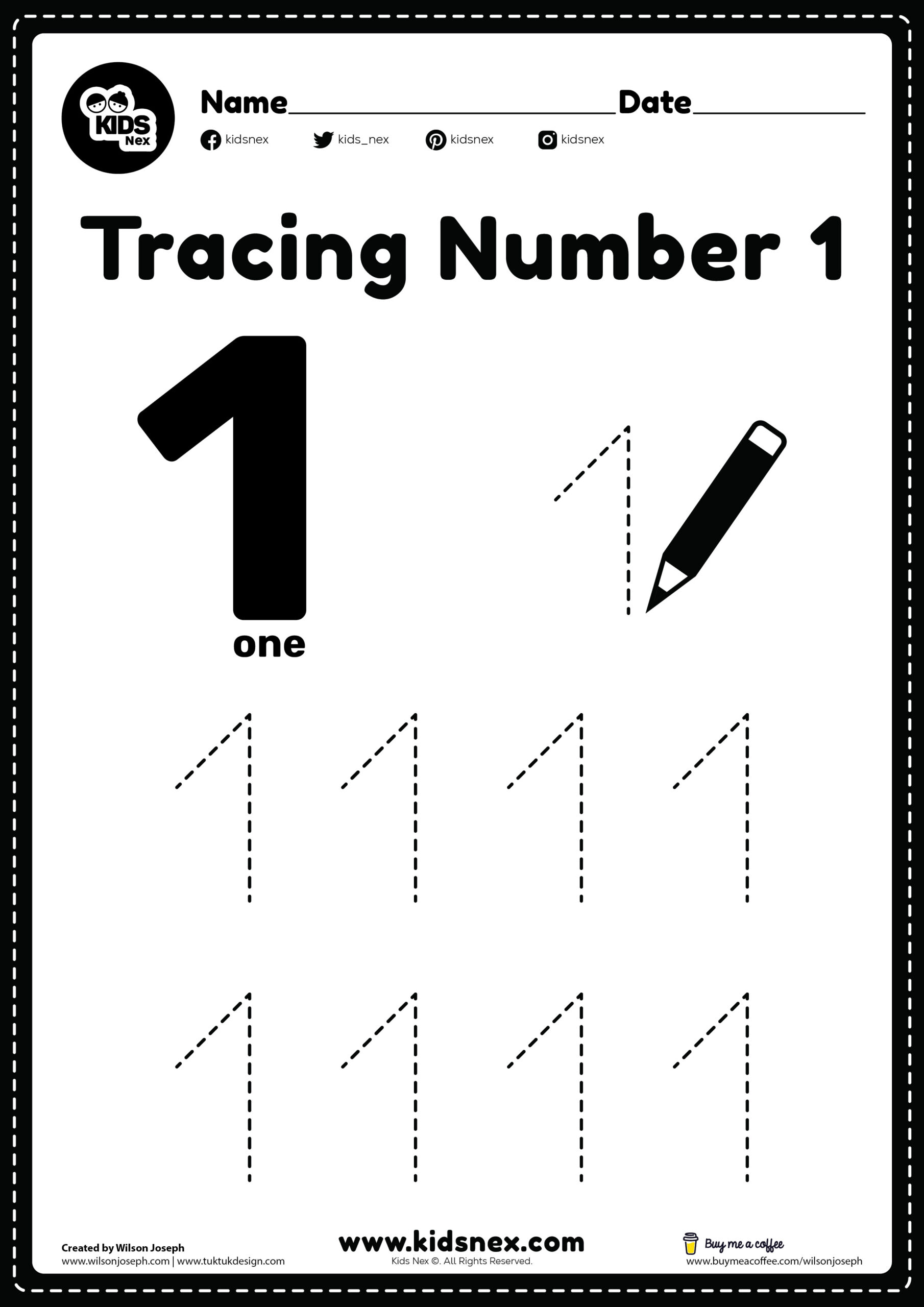
The Number 1 Worksheet For Nursery focuses on introducing children to the number one, an essential first step in their mathematical journey. This worksheet typically includes a variety of activities that emphasize recognition, counting, and writing. You might find exercises that ask children to identify objects in groups of one, trace the number one, and even color images that represent the concept.
At this stage, children are usually around 3 to 5 years old. They are developing their fine motor skills, which makes tracing and coloring activities particularly beneficial. By using this worksheet, you can guide them through each task, ensuring they grasp the foundational concept of numbers.
Engaging Activities to Reinforce Learning
To maximize the effectiveness of the Number 1 Worksheet For Nursery, it’s helpful to integrate a variety of activities that keep children engaged. Here are some practical ideas to enhance your lesson plans:
Tracing and Writing
Tracing the number one is a common task found in many nursery worksheets. This activity helps children develop their fine motor skills and hand-eye coordination. You can encourage them by saying things like, “Let’s make our number one look nice and tall!” After tracing, you can have them practice writing the number on their own.
Counting Objects
Another engaging activity could involve counting objects. You might ask the children to find one apple, one star, or one dog from the worksheet’s illustrations. This hands-on approach solidifies their understanding of “one” through visual representation. To create a richer experience, you could bring in real objects for them to count, enhancing their tactile learning.
Coloring Activities
Coloring is not just fun; it also promotes creativity. The Number 1 Worksheet For Nursery often includes pictures that children can color, such as one big balloon or one flower. Encourage them to choose their favorite colors and discuss the images. You could ask, “What color will you use for your balloon?” This not only reinforces the concept of one but also sparks their imagination.
Incorporating the Worksheet Into Daily Learning
Using the Number 1 Worksheet For Nursery can seamlessly fit into your daily routine, If you are in a classroom or a home setting. Here are some practical tips for incorporating this resource effectively:
Morning Circle Time
Start your day with a morning circle where you can introduce the concept of the number one. Use the worksheet as a visual aid during this time. Discuss the activities that will be done, and let the children know they will be working on something fun. This builds anticipation and increases engagement.
Independent Practice
After a guided session, allow children to work on the worksheet independently. This helps them develop confidence in their abilities. You can set up a quiet corner with crayons and pencils, encouraging them to complete the worksheet at their own pace while you assist anyone who needs help.
Group Activities
Consider using the worksheet for group activities. This could involve pairing children to share their work or discussing their favorite parts of the worksheet with each other. Group discussions can enhance their verbal skills and foster a sense of community.
Tips for Effective Use of Worksheets
To make the most out of the Number 1 Worksheet For Nursery, consider these practical tips:
Use Quality Paper
When printing the worksheet, opt for good-quality paper. Cardstock holds up better, especially if you plan to laminate the worksheet for repeated use. A standard letter size (8.5 x 11 inches) works well for most home printers, making it easy to handle.
Lamination for Durability
If you find the worksheet particularly useful, consider laminating it. This way, children can use dry-erase markers to practice writing the number one multiple times without wasting paper. It also makes the worksheet more durable for classroom settings.
Print in Color
If possible, print the worksheet in color. This can make the activities more visually appealing and engaging for young learners. Bright colors can capture their attention and motivate them to participate actively.
Expanding the Learning Experience
While the Number 1 Worksheet For Nursery is a fantastic starting point, you can expand the learning experience by integrating additional resources. Here are some suggestions:
Thematic Units
Consider creating a thematic unit around the number one. You could explore themes like “One World” where children learn about different cultures or “One Animal” where each child brings in a picture of their favorite animal. This thematic approach can connect various subjects while reinforcing the concept of one.
Incorporating Technology
If you have access to technology, consider using educational apps that focus on numbers. Many apps provide interactive games that reinforce counting and number recognition. This blend of traditional worksheets and technology can cater to various learning styles.
Home Connection
Encourage parents to continue the learning at home. Send home a copy of the Number 1 Worksheet For Nursery along with suggestions for activities they can do together, like counting items during grocery shopping or finding one item in their backyard.
By thoughtfully integrating the Number 1 Worksheet For Nursery into your teaching routine, you can create a rich learning environment that fosters early mathematical skills. Remember, the goal is to make learning fun and engaging for young children, setting a solid foundation for their future education. Whether tracing, counting, or coloring, the activities within this worksheet will help children feel confident in their understanding of the number one.









