As the sun peeked through the classroom window, Mrs. Thompson noticed little Timmy struggling with his penmanship. He loved to express his thoughts but often found his letters spilling over the lines. With a gentle smile, she thought about how Handwriting Worksheets For 2nd Grade could be the perfect resources to help him improve his writing skills while making practice enjoyable. In this guide, we’ll explore how these worksheets can support second graders in developing their handwriting and why they’re essential for both teachers and parents.
Understanding Handwriting Development in 2nd Grade
At this stage, second graders are typically refining their handwriting skills. They should be transitioning from basic letter formation to more fluid writing. Handwriting is crucial, as it not only enhances communication but also boosts confidence in students. Worksheets designed specifically for this age group focus on several key areas:
- Letter Formation: Ensuring that children understand how to write each letter correctly.
- Spacing: Teaching them to leave adequate space between letters and words.
- Size Consistency: Helping them maintain uniform letter sizes, which is vital for readability.
By using handwriting worksheets, students can practice these skills in a structured manner, reinforcing what they learn in class.
Types of Handwriting Worksheets for 2nd Graders
When looking for handwriting worksheets, variety is essential. Different types of worksheets can address various aspects of handwriting development:
Tracing Worksheets
Tracing worksheets are excellent for beginners who are still mastering the basics. These worksheets provide dotted lines for students to trace over, helping them learn the shape and size of each letter. You can find these in both uppercase and lowercase formats.
Blank Writing Sheets
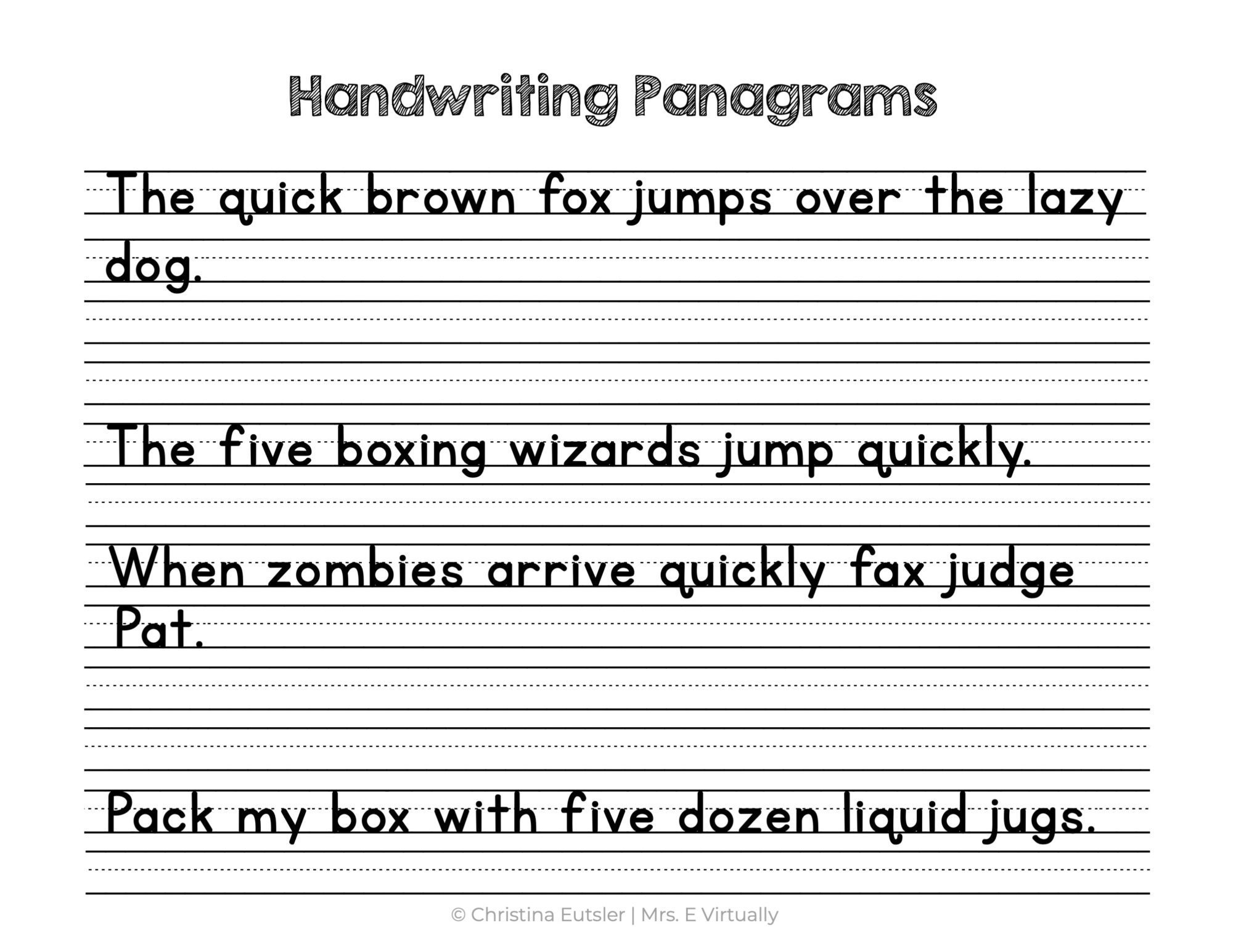
Once students are comfortable with tracing, blank writing sheets can be introduced. These sheets allow children to practice writing letters without guidance, encouraging independence. It’s a good idea to use lined paper that indicates where the baseline and midline are, which helps in maintaining proper letter height.
Themed Worksheets
To keep things engaging, consider using themed worksheets that incorporate fun topics like animals, seasons, or holidays. These worksheets not only make writing practice enjoyable but also integrate learning about different subjects.
Sentence Formation Worksheets
These worksheets guide students to practice writing complete sentences. They typically provide a prompt or an image, allowing children to form sentences based on what they see. This practice is vital for developing their writing skills further and enhances their ability to express thoughts coherently.
How to Effectively Use Handwriting Worksheets
To maximize the benefits of handwriting worksheets in a classroom or home setting, consider the following tips:
Set a Routine
Establishing a consistent time for handwriting practice helps students develop a habit. Whether it’s daily or several times a week, routine makes practice feel less daunting.
Integrate With Other Subjects
Connect handwriting practice with other subjects for a more holistic approach. For instance, after a lesson on animals, use themed worksheets to reinforce both handwriting and the subject matter.
Encourage Regular Feedback
Provide constructive feedback on their handwriting. This can be done by highlighting what they did well and where they can improve. Simple comments like, “Great job on your spacing!” can motivate students to keep practicing.
Use Fun Incentives
Incorporate rewards for completing worksheets, like stickers or extra playtime. This not only makes writing practice enjoyable but also encourages students to put forth their best effort.
Selecting the Right Printable Resources
When searching for handwriting worksheets, it’s important to choose the right resources. Here are some features to look for:
- Age Appropriateness: Ensure the worksheets are specifically designed for 2nd graders. This ensures that the difficulty level aligns with their skills.
- Printable Formats: Look for resources available in PDF format, as these are generally easy to print without formatting issues.
- Clear Instructions: Worksheets should come with clear instructions so that children can work independently without needing constant supervision.
Real-Life Applications of Handwriting Worksheets
Incorporating handwriting worksheets into daily life can reinforce learning outside of formal education settings. Here are practical examples:
Homework Assignments
Assign specific handwriting worksheets as homework to encourage practice at home. This can be particularly useful for parents looking to support their children’s learning.
Summer Practice
During summer breaks, provide students with worksheets to maintain their skills. A “summer handwriting journal” can be a fun way for kids to write about their experiences while keeping their skills sharp.
Family Activities
Encourage family involvement by having handwriting practice as a fun group activity. Parents and siblings can join in, creating a supportive writing environment.









