The Kindergarten Word Search Printable Free resource is a fantastic tool for early learners, helping them improve their vocabulary and spelling skills while having fun. These worksheets are perfect for classroom activities or home learning, providing a playful way to reinforce language concepts. In this article, we’ll explore how to effectively use these printables, tips for varying difficulty levels, and ideas for repeat engagement with the same resource.
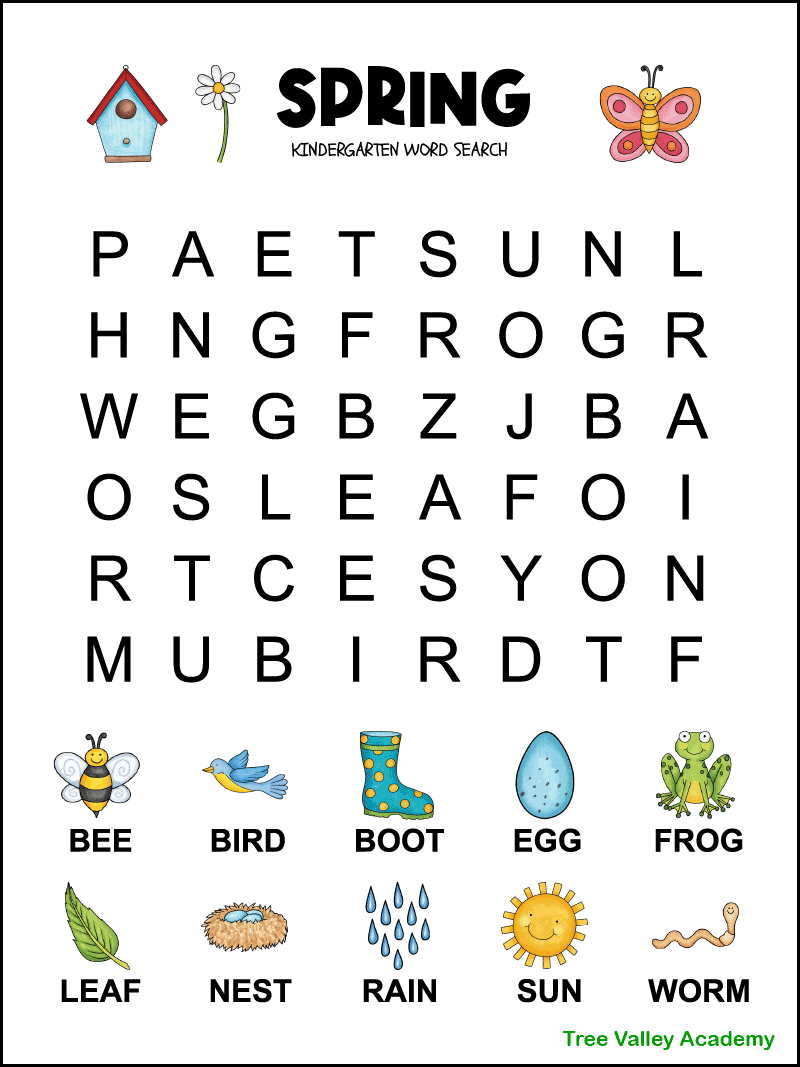
Choosing the Right Word Search Printable
When selecting a Kindergarten word search printable, consider the themes that are relevant to your students. Topics can include animals, colors, shapes, or seasonal themes. This relevance not only captures their interest but also reinforces what they are learning in class.
Look for printables that have a clear and simple layout. Typically, a 10×10 grid is ideal for kindergarteners, as it offers enough challenge without being overwhelming. Ensure the words are age-appropriate and include familiar vocabulary. This makes the activity both accessible and beneficial for skill development.
Downloading and Printing Your Word Search
Once you’ve selected the right printable, the next step is downloading and printing it. Most resources are available in PDF format, which is user-friendly and preserves the layout when printed.
To print, set your printer to use standard letter size (8.5″ x 11″). If you’re using a home printer, portrait layout usually works best for word searches, as it allows for clear visibility of the grid. For durability, consider printing on cardstock, especially if the word search will be used multiple times. This thicker paper holds up better to repeated handling.
Setting Up the Activity
Before handing out the word searches, take a moment to explain the activity to your students. Show them how to locate the words, emphasizing that they can be found in various directions: horizontally, vertically, and diagonally. Encourage them to use a pencil or crayon to circle or highlight the words as they find them.
To make the activity more engaging, you can set a timer for a friendly competition to see who can find the most words in a set time. Alternatively, pair students to work together, fostering collaboration and discussion about the words they are searching for.
Tips for Varying Difficulty Levels
One of the great features of word searches is their adaptability. Here are some tips to modify the challenge:
- Increase Word Count: For more advanced students, select printables with a greater number of words. This encourages more thorough searching and enhances their skills.
- Introduce New Vocabulary: Use themed word searches to introduce new vocabulary. For instance, if you’re teaching about farm animals, include words like “cow,” “horse,” and “pig.”
- Create a Mixed-Ability Environment: Offer different levels of word searches to accommodate various skill levels in your classroom. This way, all students can participate meaningfully.
- Use a Blank Grid: For a more advanced challenge, provide a blank grid and ask students to create their own word searches. This not only reinforces their understanding of words but also promotes creativity.
Engaging With the Resource Beyond the Activity
To maximize the educational value of the word search printables, consider follow-up activities. After completing the word search, engage students in a discussion about the words. Ask them to use the words in sentences, or to draw pictures representing each word. This reinforces comprehension and encourages creativity.
Additionally, you can turn the words into a spelling quiz or a vocabulary test, further solidifying their learning. This layered approach to a single resource ensures that students are not only having fun but also building essential language skills.
Making It a Reusable Resource
To keep your word search printables engaging over time, consider laminating them. This allows students to use dry-erase markers to circle words, making it easy to wipe clean and reuse. You can also store them in a binder for easy access during free time or as part of a learning center.
Another way to refresh the activity is to change the themes periodically. For instance, if the current theme is “Ocean Life,” you can later switch to “Space” or “Dinosaurs.” This keeps the activity fresh and exciting, providing continuous learning opportunities.









