Teaching young learners to distinguish between uppercase and lowercase letters is essential for developing their writing skills. The Upper And Lowercase Letters Worksheet is specifically designed to help children practice this foundational skill in a fun and engaging way. This resource is perfect for preschool and early elementary students, typically ages 4 to 7, who are just starting their journey into reading and writing.
Understanding the Importance of Upper and Lowercase Letters
Recognizing and using uppercase and lowercase letters correctly is crucial for effective communication. Uppercase letters are often used at the beginning of sentences or for proper nouns, while lowercase letters are used throughout most of the text. By mastering both forms, students will enhance their writing clarity and comprehension. The Upper And Lowercase Letters Worksheet provides a structured environment for students to practice these distinctions, making it a valuable tool for teachers and parents alike.
Features of the Upper And Lowercase Letters Worksheet
This worksheet offers a variety of activities tailored to reinforce the concepts of uppercase and lowercase letters. Here are some common features you might find:
- Letter Tracing: Children can trace both uppercase and lowercase letters, building muscle memory and improving their handwriting skills.
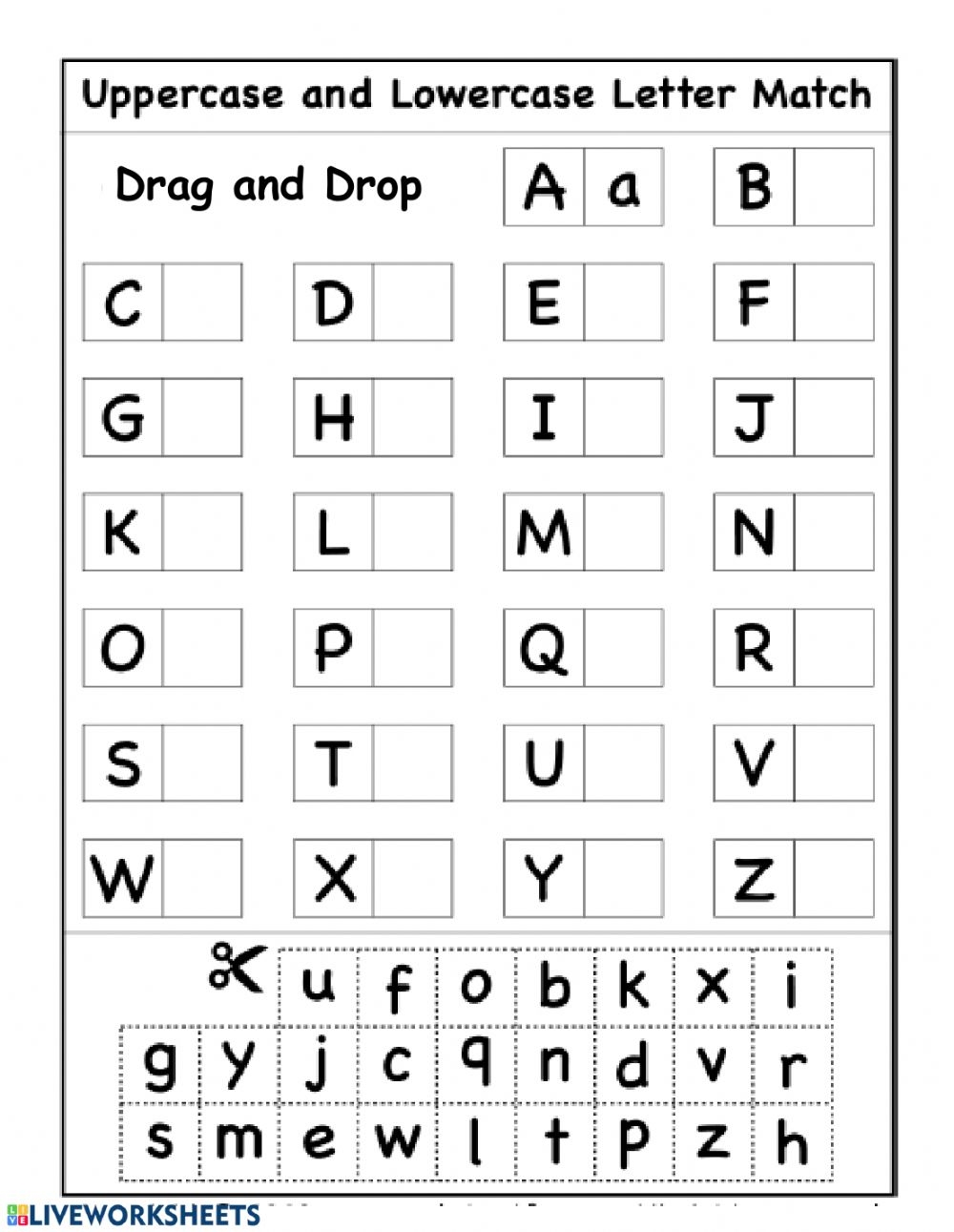
- Matching Activities: Students can match uppercase letters with their corresponding lowercase versions, reinforcing recognition and understanding.
- Fill-in-the-Blank Exercises: These exercises encourage children to complete words by filling in missing letters, enhancing vocabulary alongside letter recognition.
- Coloring Fun: Some worksheets include coloring activities that allow children to express their creativity while learning.
These features cater to different learning styles, making the worksheet a versatile resource for various classroom settings.
Best Practices for Using the Worksheet
When implementing the Upper And Lowercase Letters Worksheet in your teaching, consider the following tips:
- Print in Bulk: If you’re teaching a class, print multiple copies of the worksheet to ensure each student has their own. Portrait layout is often best for typical home printers, ensuring that the worksheet fits well on standard letter-sized paper.
- Use Quality Paper: For worksheets that include coloring or tracing, cardstock is a better choice as it holds up well to erasing and coloring materials.
- Encourage Pair Work: Have students work in pairs to discuss their answers. This not only helps with letter recognition but also fosters communication skills.
- Incorporate Technology: If available, consider using tablets or interactive whiteboards to create digital versions of the worksheet. This can make learning more engaging for tech-savvy students.
- Review Together: After students complete their worksheets, review the answers as a class. Use this time to address any common mistakes and reinforce the learning points.
Adapting the Worksheet for Different Learning Levels
The Upper And Lowercase Letters Worksheet can be adjusted to meet the needs of various learners. For advanced students, you might add more complex sentences that require them to identify and use uppercase and lowercase letters in context. For those who need additional support, consider providing a word bank or visual aids to help them succeed.
Additional Activities to Reinforce Learning
To complement the worksheet, consider integrating other activities that reinforce the same concepts:
- Letter Scavenger Hunt: Have students find items in the classroom that start with specific letters. They can categorize the items by uppercase or lowercase letters.
- Story Time: Read books that emphasize the use of uppercase and lowercase letters. Discuss what letters are used and why.
- Flashcards: Create flashcards with letters on one side and pictures of objects that begin with those letters on the other. This can help with memory retention and recognition.
Grading and Assessment
When it comes to assessing student progress with the Upper And Lowercase Letters Worksheet, keep it straightforward:
- Quick Checks: Use a simple rubric to assess how well students have completed the worksheet. Look for accuracy in tracing and matching.
- Feedback: Provide constructive feedback, highlighting what they did well and where they can improve. Encouragement goes a long way in building confidence.
- Follow-up Activities: After grading, consider assigning follow-up activities based on individual student performance. This can help reinforce areas where they may be struggling.









