While seated at the kitchen table, a four-year-old eagerly scribbles on a piece of paper, his tongue poking out in concentration. He giggles as he attempts to write his name, but the letters come out jumbled. This moment captures the essence of early childhood learning, where the foundation for writing skills begins. Writing practice sheets for preschoolers play a pivotal role in this development, offering structured guidance that can transform chaotic scrawls into legible letters. delve into the various aspects of these essential resources, helping educators and parents make informed choices.
Understanding the Importance of Writing Practice Sheets
Writing practice sheets for preschoolers are more than just paper filled with lines and letters; they are vital tools for developing fine motor skills, hand-eye coordination, and literacy. These resources help children learn the correct formation of letters and numbers, paving the way for successful writing habits.
Preschoolers engage in various activities that enhance their writing skills, from tracing letters to copying simple words. The repetitive nature of these exercises builds muscle memory, ensuring that writing becomes a natural, fluid process rather than a chore. Moreover, as children practice, they gain confidence in their abilities, which is crucial for their overall educational journey.
Types of Writing Practice Sheets Available
When exploring writing practice sheets for preschoolers, it’s essential to recognize the different types available. Each type serves a unique purpose and can cater to various learning styles.
Tracing Sheets
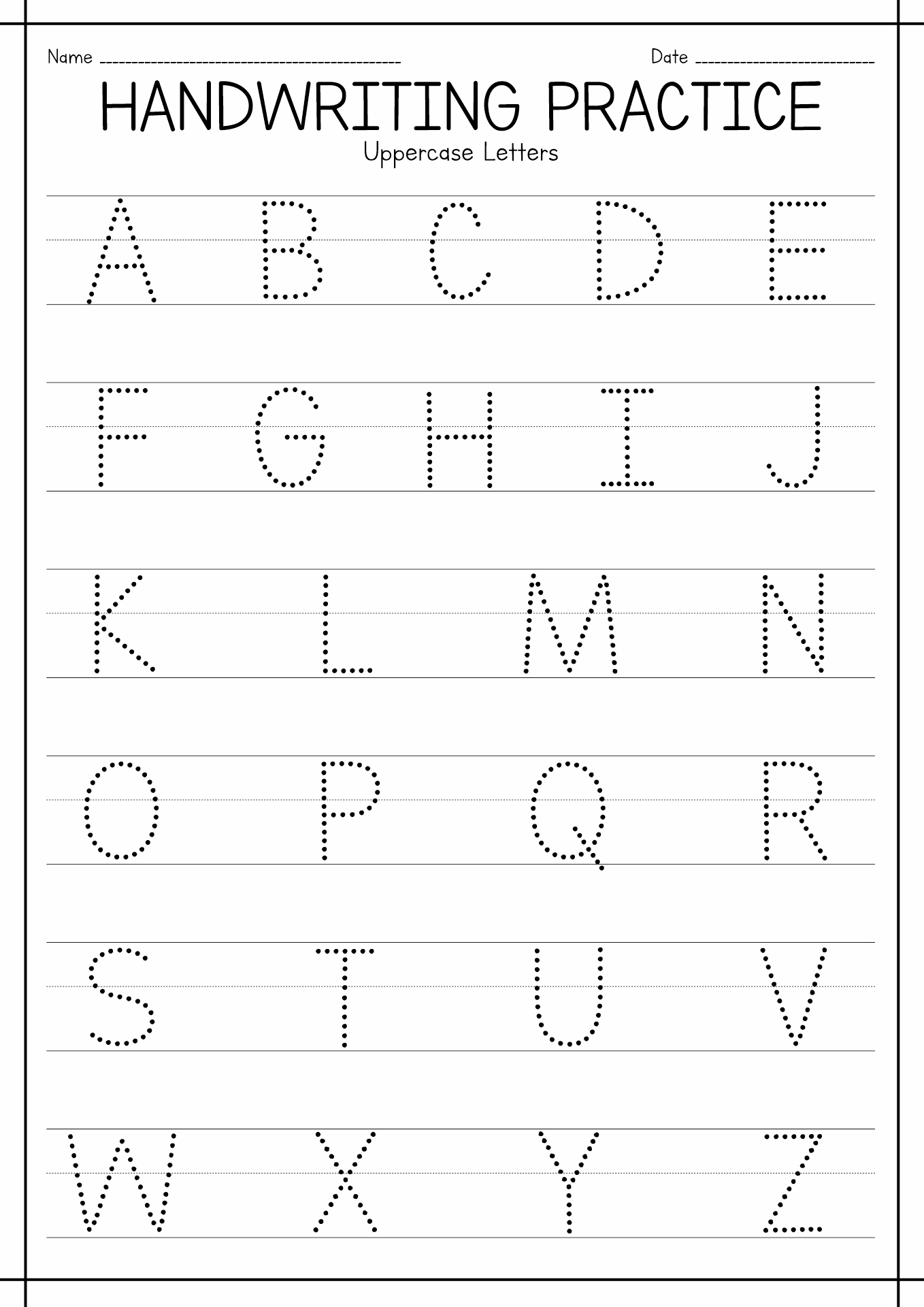
Tracing sheets are often the first step in teaching preschoolers how to write. These sheets typically feature dotted outlines of letters, allowing children to follow the lines with their pencils. This technique helps them understand the shape and structure of each letter while developing their grip and control.
Blank Writing Sheets
Once children have grasped the basics, blank writing sheets come into play. These sheets provide empty lines where kids can practice writing letters and words without guidance. This encourages them to recall what they’ve learned and apply it independently, fostering a sense of achievement.
Themed Worksheets
Themed worksheets incorporate fun illustrations and contexts that engage children’s imaginations. For example, a worksheet featuring animals can include prompts like “Write the name of your favorite animal.” Such themes not only make writing practice enjoyable but also connect literacy skills with broader learning objectives.
Sentence Building Sheets
As preschoolers advance, sentence-building sheets become beneficial. These worksheets might include pictures alongside words, prompting children to create simple sentences. This activity enhances their understanding of sentence structure and encourages them to express their thoughts in writing.
Benefits of Using Printable Resources
One of the significant advantages of writing practice sheets for preschoolers is their accessibility. Printable resources can be easily downloaded and printed at home or in a classroom setting, making them readily available for immediate use.
Customization and Variety
Printable resources allow educators and parents to customize their teaching materials. By selecting worksheets that align with specific learning goals or interests, children remain engaged and motivated. For instance, if a child loves dinosaurs, themed worksheets can capture their attention and make learning enjoyable.
Cost-Effective Learning
Many printable writing practice sheets are free or low-cost, making them an economical choice for families and schools. This affordability allows for the purchase of multiple resources without straining budgets, ensuring that children have ample opportunities to practice their writing skills.
Easy to Store and Organize
Printable resources can be stored in binders or folders, keeping them organized and accessible. This convenience means that teachers can prepare lessons in advance, and parents can pull out practice sheets as needed, creating a structured learning environment.
Tips for Effective Use of Writing Practice Sheets
To maximize the benefits of writing practice sheets for preschoolers, consider the following practical tips for implementation.
Set a Routine
Establishing a regular writing routine can help children develop consistency in their practice. Designate a specific time each day for writing exercises, making it a fun and anticipated part of their daily activities. This routine can also help children understand the importance of practice in mastering new skills.
Provide Positive Reinforcement
Encouragement is vital for young learners. Celebrate small achievements, such as successfully writing their name or completing a worksheet. Positive reinforcement can boost a child’s confidence and motivate them to continue practicing.
Incorporate Hands-On Activities
Supplementing writing practice sheets with hands-on activities can enhance learning. For example, using playdough to form letters or writing in sand can provide tactile experiences that reinforce letter formation and motor skills.
Monitor Progress
Keep track of children’s progress by regularly reviewing their completed writing practice sheets. This monitoring will help identify areas where they excel and where they may need further support. Adjusting practice materials accordingly ensures that children continue to challenge themselves and grow.
Where to Find Quality Writing Practice Sheets
When searching for writing practice sheets for preschoolers, it’s essential to choose high-quality resources that meet educational standards. Numerous websites offer free or low-cost printable materials. Here are some reputable options:
- Educational resource websites often provide a variety of writing practice sheets tailored for young learners. Search for reputable sites that focus on early childhood education.
- Online marketplaces may have downloadable resources created by experienced educators, ranging from basic tracing sheets to comprehensive writing programs.
- Social media platforms and community forums can be valuable sources for discovering free printable resources shared by other parents and teachers.









