Coloring activities for 1st graders serve not just as a fun pastime but also as a wonderful way to enhance fine motor skills and encourage creativity. These activities can be seamlessly integrated into your classroom or home setting, providing a calming experience for young learners. In this guide, you’ll find practical tips and ideas on how to effectively use coloring activities, the best materials to use, and creative ways to incorporate them into your teaching or parenting routine.
Choosing the Right Materials for Coloring Activities
Selecting the right materials can make a significant difference in the coloring experience for 1st graders. Here’s what to consider:
- Crayons vs. Markers vs. Colored Pencils: Each medium offers unique benefits. Crayons are easy to handle and great for blending colors, while markers can provide vibrant, bold strokes. Colored pencils allow for more detailed work and can be layered for shading. Depending on the activity, you might choose one over the others. For instance, crayons are often preferred for younger children due to their simplicity and ease of use.
- Paper Quality: The type of paper you choose matters too. Standard printer paper works for most coloring activities, but if you expect the kids to use markers, opt for heavier paper or cardstock to prevent bleed-through. This ensures that the designs remain intact and don’t ruin the next page.
- Printing Tips: When printing coloring pages, consider using a portrait layout, as this tends to fit better on standard-sized paper. Make sure your printer settings are adjusted for best quality, and if using colored pencils or markers, choose a thicker paper setting to avoid any issues with ink bleed.
Types of Coloring Activities to Engage 1st Graders
Incorporating a variety of coloring activities can keep 1st graders engaged and excited. Here are some ideas:
Seasonal Themes
Coloring pages that reflect the seasons can be particularly engaging. For example, during autumn, provide pages featuring pumpkins, leaves, and harvest scenes. In spring, flowers and animals can be highlighted. This not only makes coloring fun but can also lead to discussions about the seasons, enhancing both creativity and learning.
Educational Coloring Pages
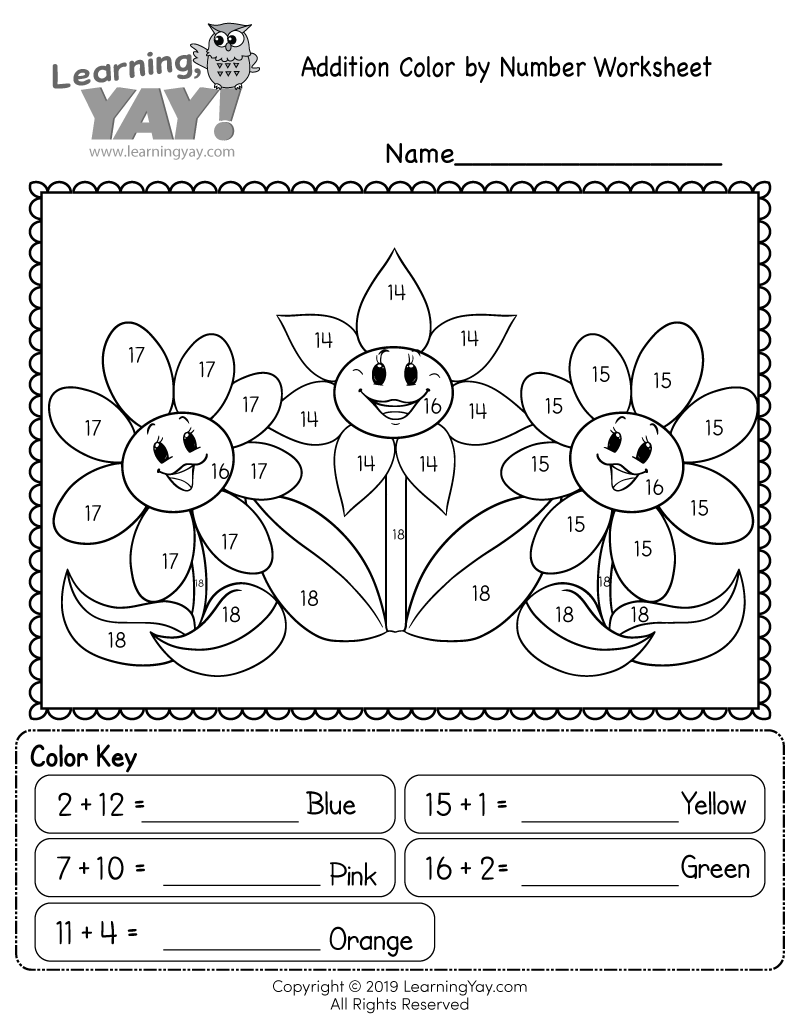
Consider using coloring pages that incorporate educational elements. For instance, pages that feature the alphabet, numbers, or even simple math problems can reinforce learning while kids color. This dual approach helps make learning enjoyable and interactive.
Story-Based Coloring Pages
Create or find coloring pages that correspond with a story being read in class or at home. This can deepen comprehension and engagement with the material. As children color, they can discuss their favorite parts of the story, enhancing both their artistic and verbal skills.
Collaborative Coloring Projects
Encouraging teamwork through collaborative coloring projects can be a delightful experience. Set up a large mural or poster where each child can contribute their coloring skills. This fosters a sense of community and allows children to appreciate each other’s artistic expression.
Integrating Coloring Activities Into Daily Routines
Coloring activities can easily fit into daily routines, whether in a classroom or at home. Here are some practical ways to incorporate them:
- Morning Warm-Up: Start the day with a short coloring session. This can serve as a calming transition into more structured learning and help children focus for the day ahead.
- Break Time: Use coloring as a break activity between lessons. This can help refresh their minds and offer a moment of relaxation before diving back into more intensive tasks.
- Family Time: Encourage family bonding by setting aside time for coloring together at home. This can be a great way for parents to connect with their children while also encouraging creativity.
Tips for Maximizing the Benefits of Coloring
To truly maximize the benefits of coloring activities for 1st graders, consider these tips:
- Encourage Creativity: Allow children the freedom to choose their colors and how they express themselves on the page. This can boost their confidence and individuality.
- Provide Feedback: Offer positive feedback on their artwork, highlighting specific aspects you enjoy. This reinforces their efforts and encourages them to take pride in their work.
- Use Coloring as a Conversation Starter: As children color, engage them in conversation about their choices. Ask open-ended questions about their artwork to foster critical thinking and verbal skills.
- Incorporate Mindfulness: Coloring can also be a mindful activity. Encourage children to focus on the process rather than the end result, helping them develop patience and a sense of calm.
Popular Printable Coloring Resources for 1st Graders
There are numerous online resources where you can find high-quality coloring pages suitable for 1st graders. Look for sites that offer a range of themes and styles, ensuring you can match the activity to your educational goals or seasonal events. Here are a few types of resources to consider:
- Themed Coloring Pages: Search for pages that align with holidays, seasons, or educational themes. Websites often have extensive libraries that can be filtered by grade level or topic.
- Customizable Coloring Sheets: Some platforms allow you to create personalized coloring pages, which can be particularly engaging for children as they see their names or favorite characters featured.
- Printable Coloring Books: Consider downloading entire coloring books in PDF format. This can be a cost-effective way to provide a variety of activities without the hassle of printing individual sheets.









