In the chaotic world of teaching, finding ways to streamline tasks is essential. Many educators struggle with managing multiple responsibilities, from lesson planning to grading. This is where understanding the difference between a Checklist Vs To Do List can make a significant impact on your daily routine. By using these tools effectively, you can delegate tasks among your students or family, increase productivity, and reduce stress.
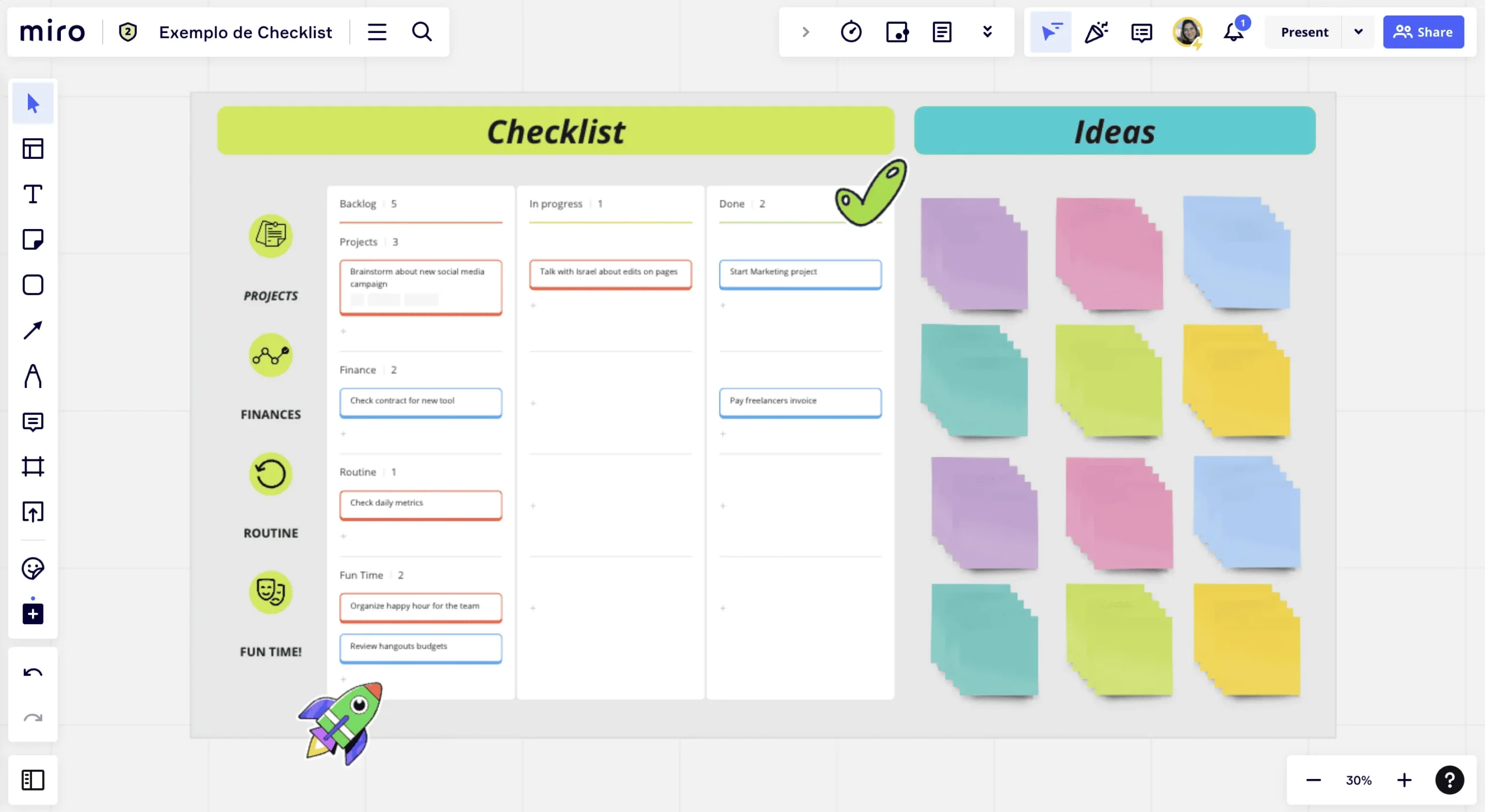
Understanding the Basics: Checklist Vs To Do List
At first glance, a checklist and a to-do list may seem similar, but they serve different purposes. A to-do list is typically a collection of tasks you need to accomplish, often prioritized by urgency or importance. In contrast, a checklist is a structured list of items that need to be completed, often used for specific processes.
For example, if you’re preparing for a science experiment, a checklist might include items like “Gather materials,” “Prepare the workspace,” and “Review safety procedures.” Each item is a step in a process that ensures successful completion. Alternatively, a to-do list might include broader tasks such as “Grade papers,” “Plan next week’s lessons,” or “Meet with parents.”
Understanding how to leverage both tools can help you organize your workload better and enhance collaboration within your classroom or home.
When to Use a Checklist
Checklists are particularly beneficial when you need to ensure that every step in a process is completed. Here are some specific scenarios where checklists shine:
Planning Events
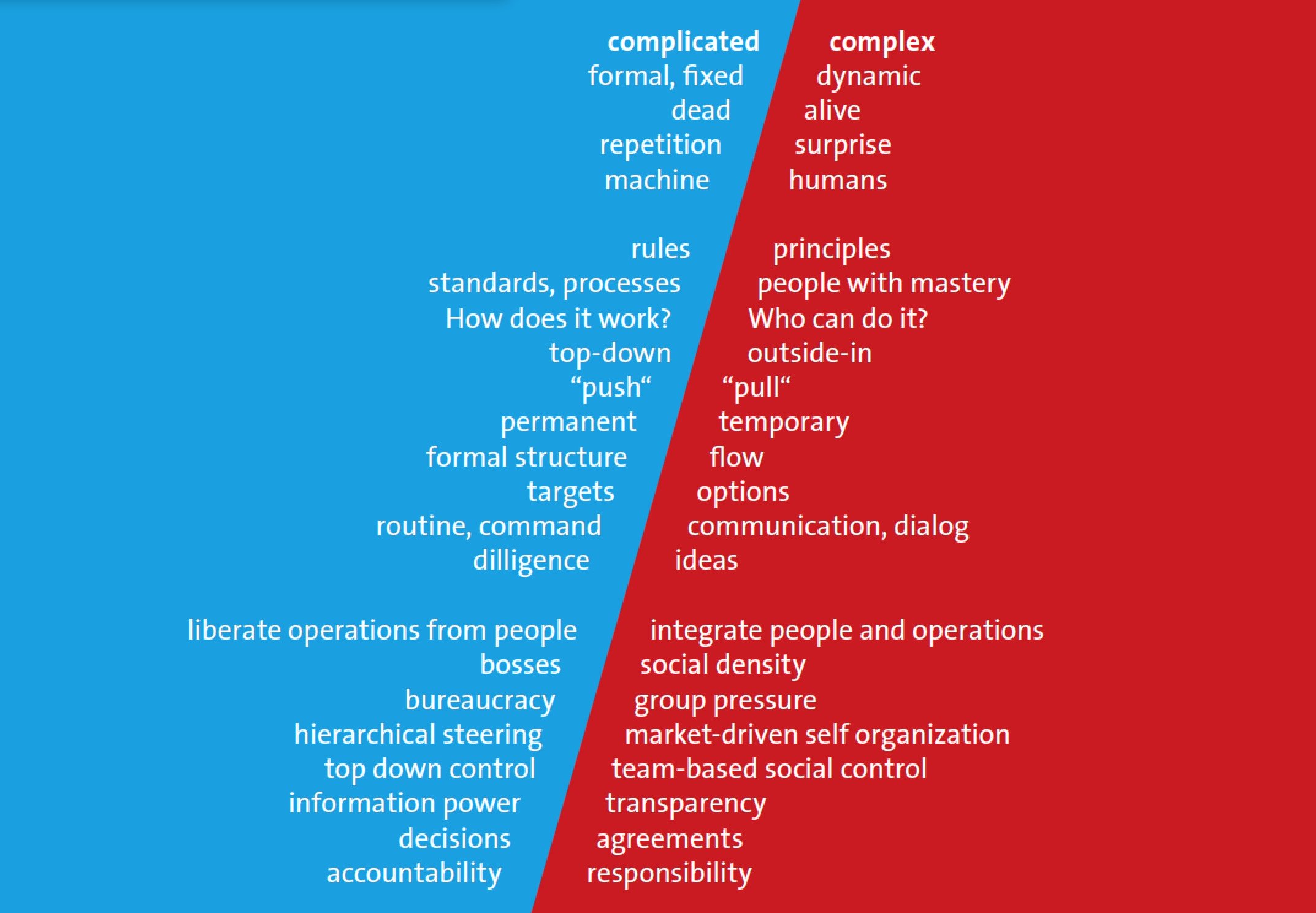
If you’re organizing a school event, a checklist can help you keep track of every detail. You might include items such as:
- Confirm venue reservation
- Send invitations
- Arrange for refreshments
- Create a schedule for the day
By breaking down the event planning into smaller tasks, you can delegate responsibilities to students or colleagues. This not only makes the workload lighter but also ensures that nothing is overlooked.
Daily Routines
Checklists can be a powerful tool for establishing daily routines. For instance, a morning checklist for your class might include:
- Take attendance
- Distribute homework
- Review the day’s agenda
Using a checklist for daily routines helps students understand expectations and ensures that essential tasks are completed consistently.
When to Use a To Do List
To-do lists are ideal for more flexible task management. Here’s when they can be particularly effective:
Long-Term Planning
If you have projects or goals that span weeks or months, a to-do list can help you track progress. For example, you might have a list that includes:
- Research for the upcoming science fair
- Create presentation materials
- Schedule practice sessions
This format allows you to prioritize tasks based on deadlines and importance, giving you the flexibility to adjust as needed.
Personal Tasks
In your personal life, a to-do list can help you manage tasks outside of the classroom. You might have items like:
- Grocery shopping
- Doctor’s appointment
- Family event planning
These tasks can be less structured and more fluid, making a to-do list the perfect tool to keep you organized.
Combining Checklists and To Do Lists
The most effective approach often involves using both checklists and to-do lists. By combining these tools, you can handle both structured processes and flexible tasks seamlessly. For instance, you might create a checklist for a specific project while maintaining a to-do list for ongoing responsibilities.
Example of a Combined Approach
Imagine you’re preparing for a school play. You could create a checklist for the technical aspects, such as:
- Set up lighting
- Test sound equipment
- Arrange costumes
Simultaneously, you could maintain a to-do list for broader tasks like:
- Coordinate with the drama club
- Send out reminder emails to parents
- Plan post-performance feedback sessions
This method allows you to keep track of detailed processes while ensuring that you don’t lose sight of the bigger picture.
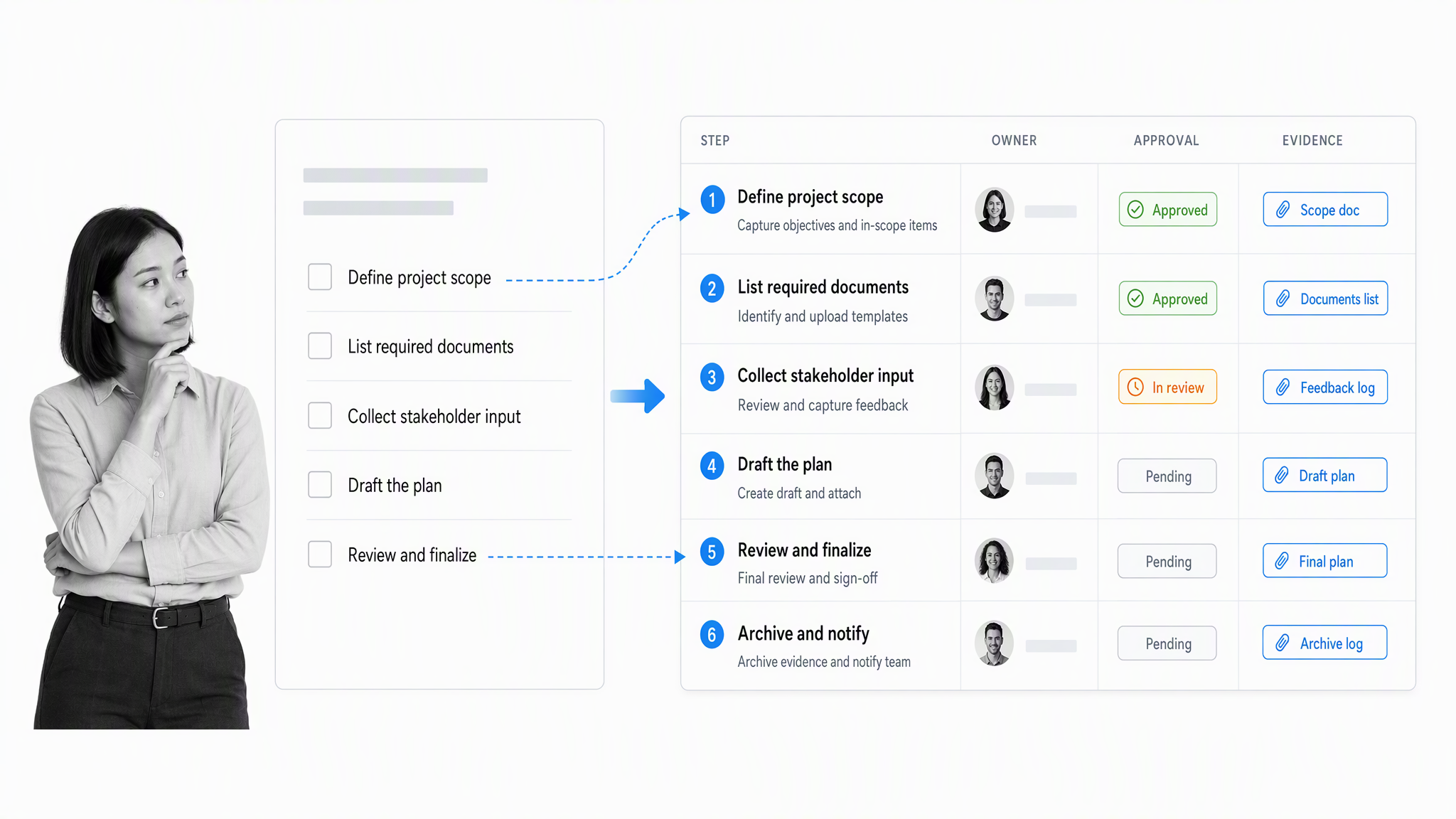
Practical Tips for Creating Effective Checklists and To Do Lists
Now that you understand the differences and applications of checklists and to-do lists, here are some practical tips to enhance their effectiveness:
- Be Specific: Clearly define each task. Instead of writing “Grade papers,” specify “Grade math quizzes for periods 1 and 2.” This helps you know exactly what needs to be done.
- Prioritize: For to-do lists, consider numbering tasks based on urgency or importance. This will help you focus on what needs to be done first.
- Review Regularly: Set aside a few minutes at the end of each day or week to review your lists. This will help you adjust your priorities and keep track of completed tasks.
- Use Printable Resources: Leverage printable checklists and to-do lists tailored for educators. These resources can provide structure and save time, allowing you to focus on teaching rather than organizing.









