Understanding how to write numerals in words can be challenging for students. Many learners struggle with the transition from numerical representation to verbal expression. This often leads to frustration, especially when they need to apply these skills in real-world scenarios, such as writing checks or understanding prices. Writing Numerals In Words Worksheets serve as an excellent resource to bridge this gap, allowing students to practice and master this fundamental skill in a structured way.
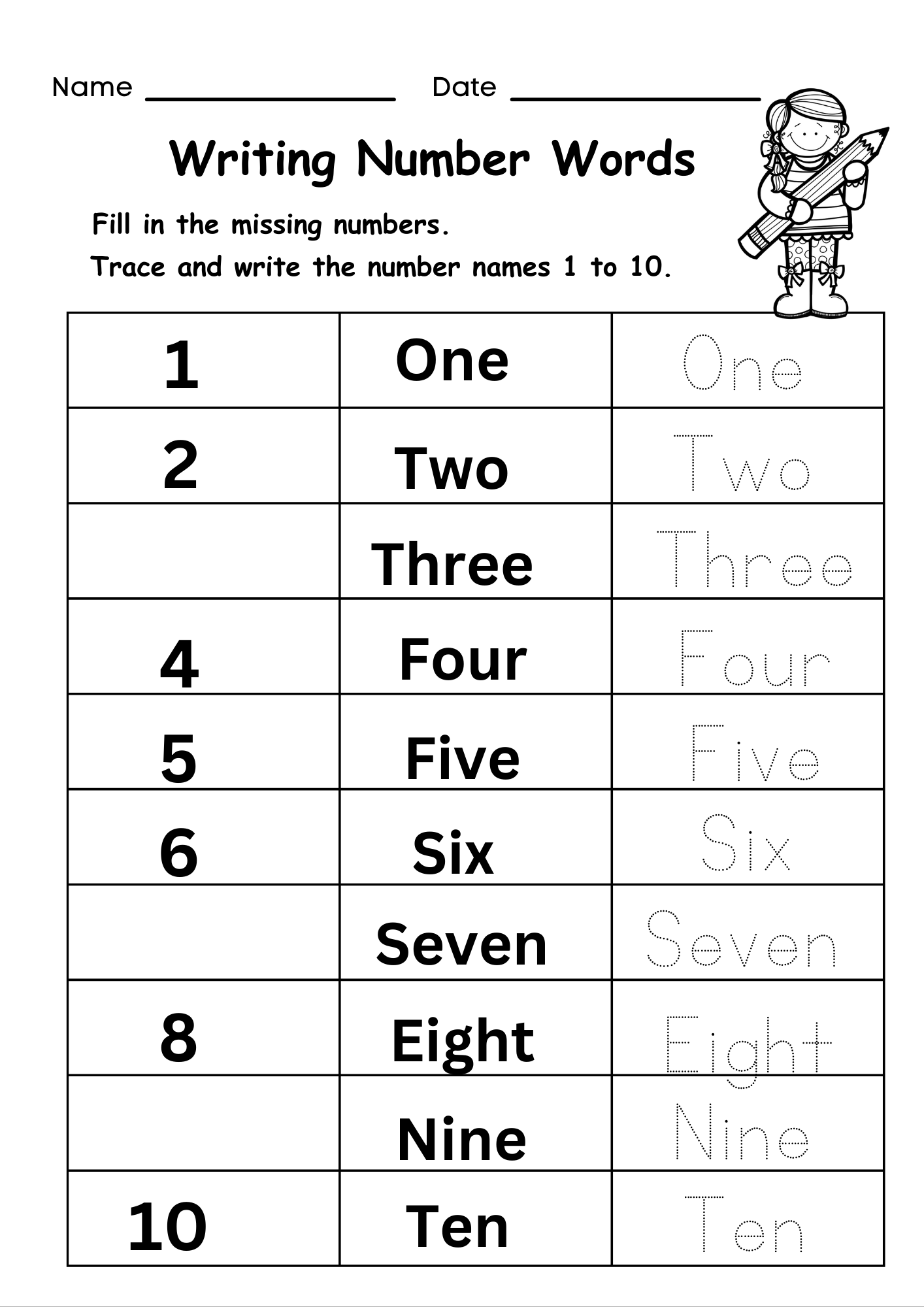
The Importance of Writing Numerals in Words
Writing numbers in words is not just an academic exercise; it has practical applications in everyday life. From filling out forms to writing letters, being able to articulate numbers in words is essential. This skill is particularly crucial for young learners who are just beginning to understand the world of mathematics and language. When students use Writing Numerals In Words Worksheets, they reinforce their comprehension and retention of numerical concepts.
These worksheets help students recognize and articulate the differences between numbers and words. For instance, knowing that “twenty-one” is not just a number but a specific way to express a quantity in words can help solidify their understanding of both language and mathematics.
How to Use Writing Numerals In Words Worksheets Effectively
To maximize the effectiveness of Writing Numerals In Words Worksheets, consider the following approaches:
- Start with Basic Numbers: Begin with smaller numbers (1-20) to build confidence. Once students are comfortable, gradually introduce larger numbers.
- Incorporate Different Formats: Use a mix of worksheets that include fill-in-the-blank, matching exercises, and open-ended questions. This variety keeps learners engaged and caters to different learning styles.
- Combine with Visual Aids: Pair worksheets with visual aids like number charts or flashcards. This helps visual learners make connections between numerals and their word forms.
- Encourage Group Work: Have students work in pairs or small groups to complete the worksheets. This collaborative approach fosters discussion and enhances understanding.
- Track Progress: Regularly assess students’ performance on the worksheets. This will help you identify areas where they may need additional support or practice.
Different Types of Worksheets Available
When selecting Writing Numerals In Words Worksheets, you’ll find a variety of options tailored to different learning levels and preferences. Here are some common types:
Simple Fill-in-the-Blank Worksheets
These worksheets present a numeral, and students must write its word form. For example, the numeral “15” would prompt them to write “fifteen.” This straightforward approach is excellent for beginners.
Matching Worksheets
In these worksheets, students match numerals to their corresponding word forms. This format reinforces recognition and helps students learn through association.
Story Problems
Incorporate worksheets that include simple story problems requiring students to write numbers in words. For instance, “There are 12 apples in the basket. Write the number in words.” This application of knowledge helps students see the relevance of what they’re learning.
Mixed Practice Worksheets
These combine various exercises, such as fill-in-the-blank, matching, and open-ended questions, to provide a comprehensive practice session. This helps keep students engaged and allows for more extensive skill reinforcement.
Tips for Teachers on Implementing These Worksheets
As a teacher, implementing Writing Numerals In Words Worksheets effectively in the classroom can enhance students’ learning experiences. Here are some practical tips:
- Set Clear Objectives: Before starting, clarify what you expect students to learn from the worksheets. This will guide their focus during practice sessions.
- Use Real-Life Examples: Incorporate real-life scenarios where writing numbers in words is necessary. This contextual learning makes the subject matter more relatable.
- Provide Immediate Feedback: After students complete the worksheets, review their answers as a class. This allows for immediate correction and reinforcement of concepts.
- Encourage Creativity: Let students create their own worksheets or exercises. This encourages ownership of their learning and makes the practice more enjoyable.
- Celebrate Achievements: Recognize improvements and successes, no matter how small. Positive reinforcement can motivate students to keep practicing.
Resources for Downloading Worksheets
Finding high-quality Writing Numerals In Words Worksheets is crucial for effective teaching. There are many online resources where you can download printable worksheets. Look for sites that offer:
- Free Downloads: Many educational websites provide free worksheets that you can print and use in your classroom.
- Variety of Formats: Ensure that the resources include different types of worksheets to cater to various learning styles.
- Grade-Level Appropriateness: Check that the worksheets match the grade levels of your students. Worksheets designed for younger grades will differ significantly from those meant for older students.
- User-Friendly Layout: Choose worksheets that are visually appealing and easy to understand. Cluttered pages can overwhelm students.
Tracking Student Progress
Tracking how students progress with Writing Numerals In Words Worksheets is essential. Here are some strategies to consider:
- Keep a Record: Maintain a log of each student’s scores on worksheets. This will help you identify patterns in their understanding and areas needing improvement.
- Regular Assessments: Incorporate periodic assessments to gauge student mastery of the topic. This can be through quizzes or informal assessments based on their worksheet performance.
- Adjust Instruction Accordingly: Use the data collected from tracking to adjust your teaching strategies. If many students struggle with a specific aspect, consider revisiting that topic in-depth.
- Involve Students in Tracking: Encourage students to track their progress themselves. This can boost their motivation and accountability.









