Simple Cut And Paste Worksheets are a fantastic resource for teachers looking to engage their students in hands-on learning. These worksheets are typically available in PDF format, which makes them easy to download and print. They often come in standard sizes like 8.5” x 11”, aligning perfectly with most home printers. With a variety of themes and subjects, these worksheets allow students to practice essential skills in a fun and interactive way.
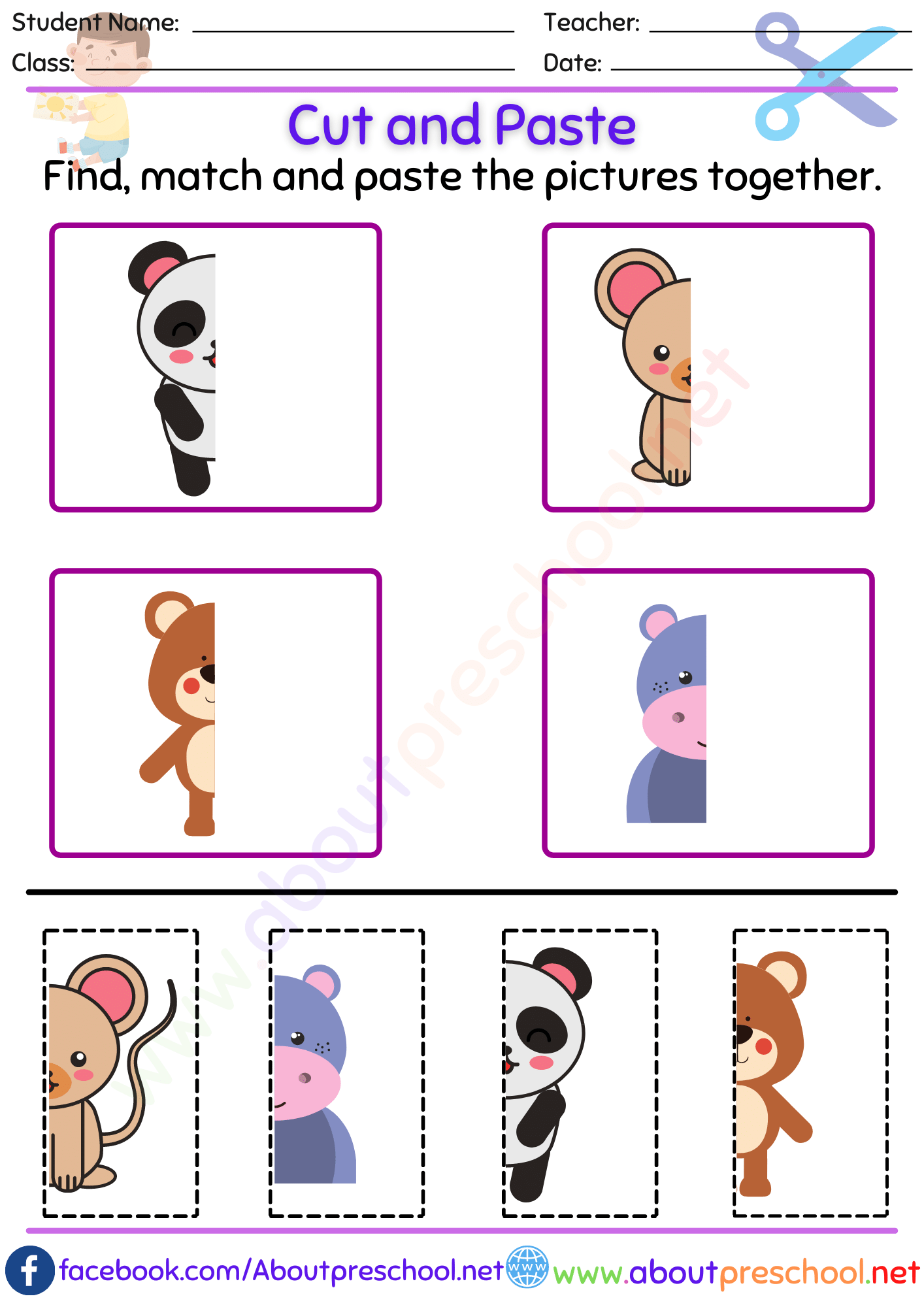
Understanding the Benefits of Cut and Paste Worksheets
Using Simple Cut And Paste Worksheets offers several benefits that can enhance your teaching strategies. First, they provide a tactile learning experience that is particularly effective for younger students. By cutting out shapes, words, or images and pasting them onto a worksheet, children develop fine motor skills, hand-eye coordination, and cognitive abilities.
Moreover, these worksheets can be tailored to fit various subjects such as math, language arts, science, and art. For instance, in a language arts setting, students can cut out words from magazines or printables and create sentences, helping them understand sentence structure. In math, they might cut out numbers to create simple equations or patterns.
Additionally, they foster creativity. Students can express themselves through the arrangement of elements on their worksheets, making learning more engaging.
How to Prepare Your Cut and Paste Worksheets
Getting your Simple Cut And Paste Worksheets ready for classroom use involves a few straightforward steps:
- Download the Worksheets: Start by selecting the worksheets that fit your lesson plans. Ensure that you download them in PDF format to avoid any formatting issues that can occur with image files.
- Printer Setup: When printing, use a standard printer setting for best results. Make sure to select “portrait” orientation, as this is the most common layout for worksheets. If you’re using a color printer, check your ink levels beforehand to ensure vibrant colors.
- Paper Choices: For durability, especially if the worksheets will be handled frequently, consider using cardstock instead of standard printer paper. Cardstock is thicker and can withstand the wear and tear of cutting and pasting activities.
- Cutting Tools: Provide students with safe scissors. For younger students, safety scissors are ideal, while older students can use regular scissors. Ensure that the cutting tools are accessible and that students know how to use them safely.
- Glue Options: You can use glue sticks, liquid glue, or tape for pasting. Glue sticks are often less messy and easier for younger children to handle. For larger pieces, liquid glue might be necessary, but make sure to provide appropriate guidance on using it.
Incorporating Worksheets Into Your Lesson Plans
Integrating Simple Cut And Paste Worksheets into your lesson plans can be seamless. Here’s how to do that effectively:
- Align with Curriculum Goals: Make sure the worksheets you choose align with your curriculum standards. For example, if a lesson focuses on addition, select worksheets that encourage students to cut out numbers and create simple math problems.
- Create a Center Activity: Set up a learning center where students can work independently or in small groups. This allows for differentiated learning, as students can choose worksheets that match their skill levels.
- Combine with Other Activities: Enhance the worksheet activity by combining it with other hands-on learning experiences. For instance, after completing a cut-and-paste project on animals, you could have a discussion or a mini-research project about each animal.
- Assess Understanding: Use the completed worksheets as a form of assessment. Look for correct placements, creativity, and understanding of the concepts taught. This will give you insight into each student’s grasp of the material.
Creative Variations to Explore
Simple Cut And Paste Worksheets can be adapted in various ways to keep things fresh and exciting for your students:
- Thematic Units: Create worksheets based on themes like seasons, holidays, or specific topics in science or history. For example, during Earth Day, students can cut and paste images of plants and animals to their worksheets.
- Storytelling: Encourage creative storytelling by allowing students to cut out characters and settings from magazines or printed images. They can then paste these onto a worksheet and write a story about their scene.
- Interactive Notebooks: Use the worksheets in conjunction with interactive notebooks. Students can paste completed worksheets into their notebooks and add reflections or additional information around them.
- Group Projects: Turn the worksheets into group projects where students collaborate to create a larger poster or display. This not only builds teamwork but also allows for a variety of creative expressions.
- Digital Alternatives: While the traditional cut-and-paste method is effective, consider using digital tools for older students. They can use apps to cut and paste images and text, which can then be printed out for a physical copy.
Common Challenges and Solutions
While Simple Cut And Paste Worksheets are beneficial, there can be challenges in their use. Here are some common issues and solutions:
- Messiness: Some students may struggle with keeping their work area tidy. To mitigate this, have designated areas for cutting and gluing. Provide trays or containers for scraps and glue sticks to minimize mess.
- Difficulty with Cutting: Not all students have the same fine motor skills. In such cases, consider pre-cutting some pieces for younger students or those who need extra help.
- Engagement Levels: If students seem disengaged, try to integrate their interests into the worksheets. For example, if a student loves dinosaurs, provide worksheets that feature dinosaur images for cutting and pasting.
By being aware of these challenges, you can better prepare and adjust your approach to ensure that all students benefit from the activity.
Ensuring Successful Implementation
To maximize the effectiveness of Simple Cut And Paste Worksheets in your classroom, keep these points in mind:
- Model the Process: Before students begin, demonstrate how to cut and paste correctly. Show them how to handle scissors safely and how to apply glue without making a mess.
- Provide Clear Instructions: Make sure the instructions for each worksheet are clear and easy to follow. You might consider using visual aids or examples to guide students.
- Monitor Progress: Walk around the classroom while students are working. This allows you to provide assistance as needed and to assess how well students are grasping the material.
- Celebrate Finished Work: Display completed worksheets on a bulletin board or in a designated area to celebrate students’ efforts and creativity. This encourages pride in their work and motivates them to engage with future activities.
Simple Cut And Paste Worksheets can be a versatile addition to your teaching toolkit. By preparing effectively, integrating them into your lesson plans, and being mindful of common challenges, you can create a dynamic learning environment that fosters engagement and skill development. Just remember to keep an eye on the materials to avoid any potential issues that may arise during the cutting and pasting process.









