Coloring is not just a fun activity; it’s a fantastic way for children to express their creativity while developing fine motor skills. Simple animal pictures to color are especially appealing for young learners, as they can easily grasp the shapes and details without feeling overwhelmed. In this article, we’ll explore a variety of simple animal coloring pages, how to effectively use them in educational settings, and practical tips for downloading and printing these resources to ensure the best experience for you and your students.
Why Choose Simple Animal Pictures for Coloring?
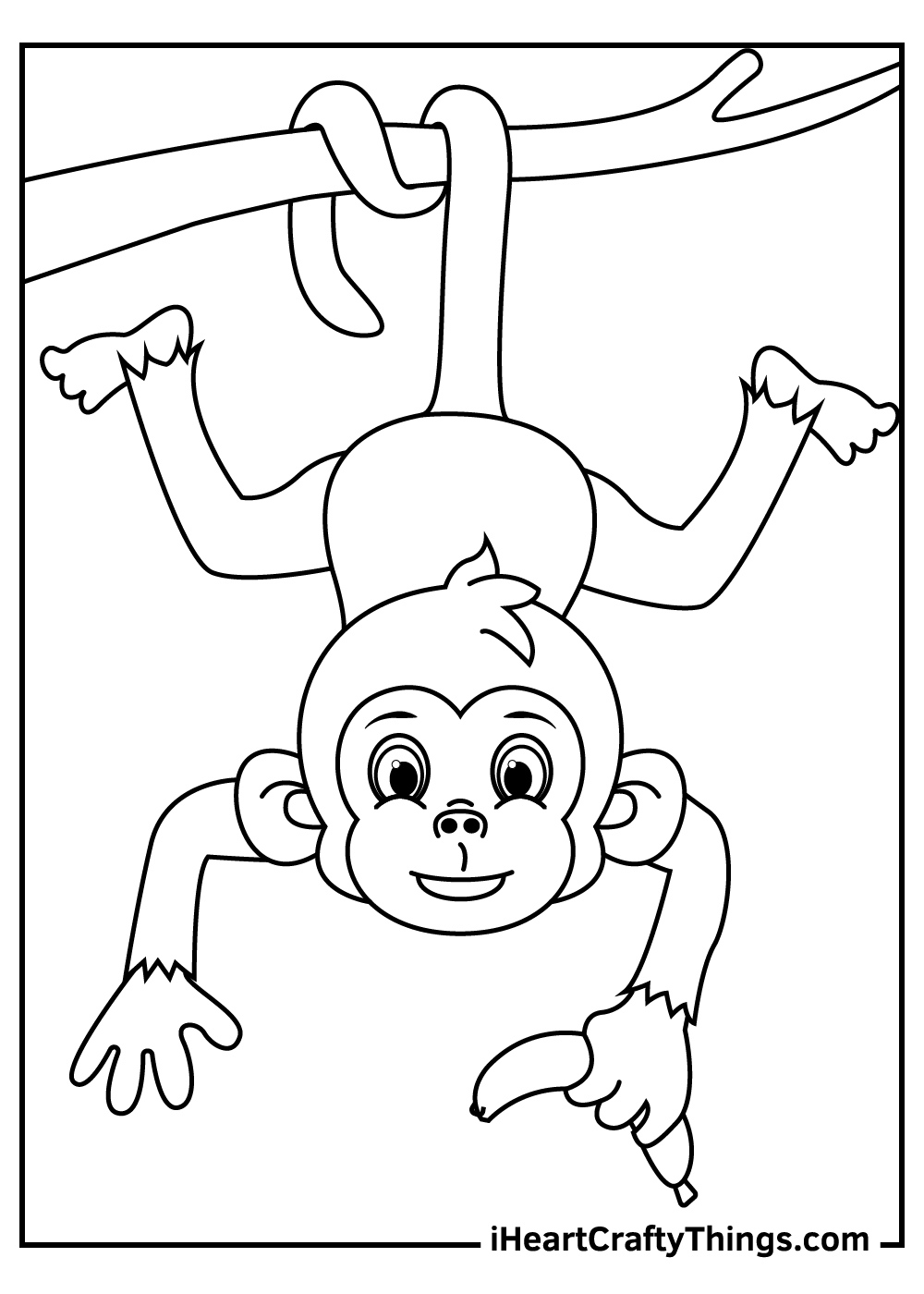
Simple animal pictures to color are perfect for a range of age groups, particularly preschool and early elementary students. These images typically feature bold lines and uncomplicated designs, making them ideal for little hands that are still mastering their coloring techniques.
By focusing on animals, you can engage children’s natural curiosity about the world around them. They might color a lion one day and a dolphin the next, fostering both creativity and learning. Plus, this can be a great way to introduce discussions about different animals, their habitats, and their characteristics.
Downloading and Printing Your Coloring Pages
When it comes to downloading simple animal pictures to color, you’ll typically find them in various formats, including PDF and JPG. PDF files are often preferred for printing because they maintain their quality regardless of the print size. Here are some practical steps to follow:
- Select Your Images: Choose the animal pictures you’d like to use. Many websites offer a plethora of options, from farm animals to wild creatures.
- Download Formats: Opt for PDF files when available. They are less likely to lose quality when printed.
- Printer Setup: Before printing, check your printer settings. Most color printers will work well, but ensure you have enough ink and paper. Portrait layout is commonly best for coloring pages.
- Paper Choices: For a smooth coloring experience, consider using heavier paper, like cardstock. This prevents bleed-through from markers or heavy coloring.
- Test Print: If you’re unsure about the quality, do a test print on regular paper first. Adjust the settings as needed to get the best results.
Creative Uses for Coloring Pages in the Classroom
Simple animal pictures to color can serve multiple purposes in a classroom setting beyond just a quiet activity. Here are a few ideas on how you can incorporate them into your lesson plans:
- Art Projects: After students finish coloring, they can cut out their animals and create a collage or diorama. This integrates art with hands-on learning.
- Thematic Units: Use animal coloring pages as part of a broader unit on wildlife or ecosystems. Discuss different animals, their diets, and where they live while students color.
- Relaxation Time: Coloring can be a calming activity. Set aside a few minutes at the end of the day for students to unwind with their coloring pages.
- Storytelling Prompts: After coloring, encourage students to write a short story about their animal. This combines art with literacy skills.
Tips for Effective Coloring Activities
To maximize the benefits of coloring activities, consider the following tips:
- Encourage Creativity: Remind students that there are no rules when it comes to coloring. They can choose any colors they like, even if they don’t match the animal’s real-life appearance.
- Group Coloring: Set up a group project where students collaborate on a large mural of animals. This fosters teamwork and communication skills.
- Incorporate Learning: While coloring, ask questions about the animals. What sound does a cow make? Where do penguins live? This encourages engagement and reinforces learning.
- Provide Various Materials: Offer a variety of coloring tools, such as crayons, markers, and colored pencils. Different tools can inspire different creative approaches.
Adapting Coloring Pages for Different Ages
While simple animal pictures to color are generally suited for younger children, you can adapt these resources for older students as well. Here’s how:
- Add Complexity: For older kids, provide more intricate designs that incorporate patterns or backgrounds. This challenges their skills and keeps them engaged.
- Art Integration: Encourage older students to use their colored pages as a base for mixed media art. They can add textures with different materials or even paint over their coloring.
- Discussion and Reflection: After coloring, have older students discuss what they learned about their animal. This adds an educational layer to the activity.









