Science Worksheets For Grade 4 are an essential resource for educators looking to enrich their students’ understanding of the natural world. These worksheets come in various formats and styles, designed to cater specifically to the learning needs of fourth graders. When you print these worksheets, you immediately provide your students with hands-on activities that reinforce key scientific concepts, making learning both fun and effective.
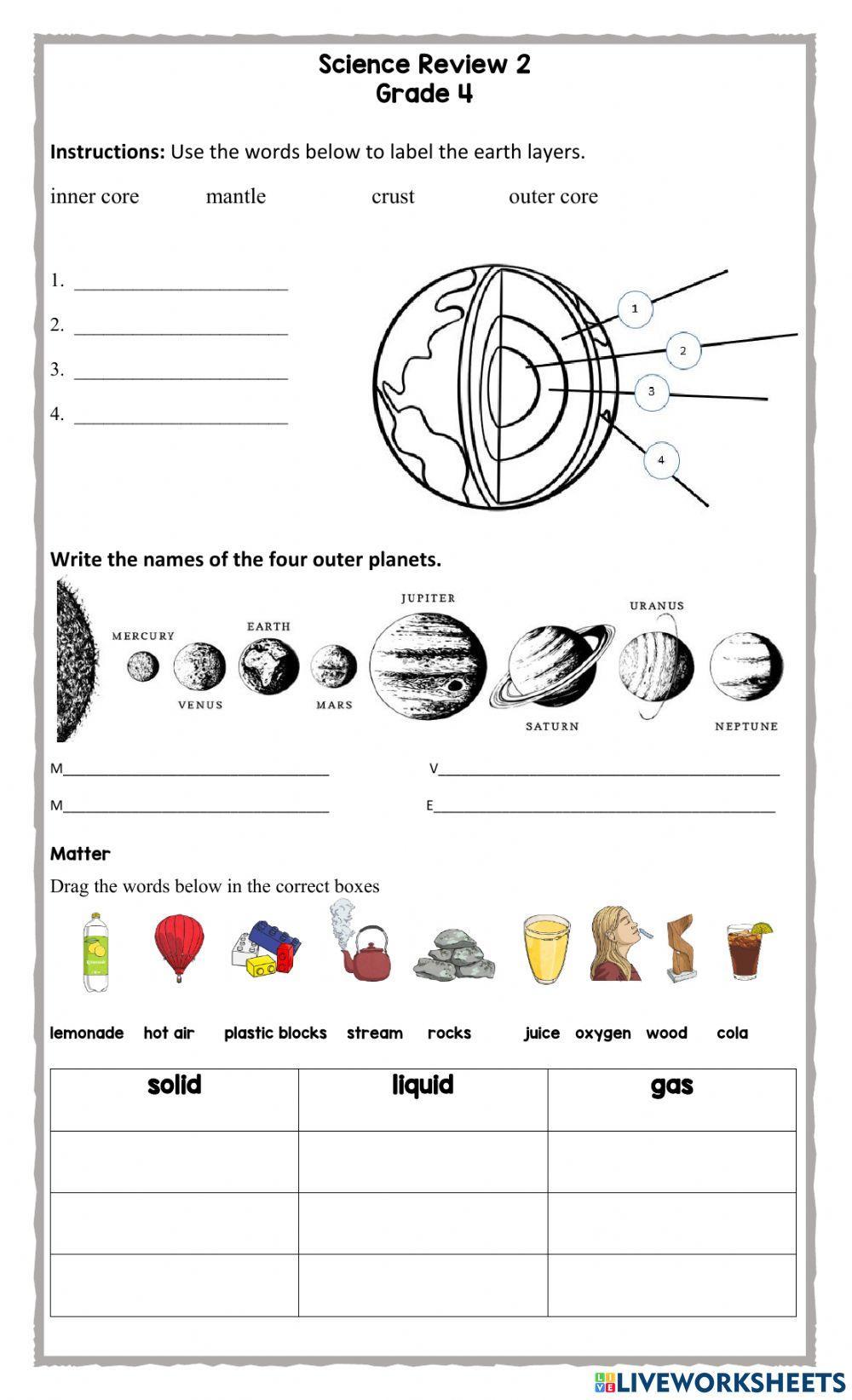
Understanding the Layout of Science Worksheets
Each worksheet typically features a clear, organized layout that enhances usability. Most worksheets are designed in standard letter size (8.5 x 11 inches), which is ideal for printing and fits perfectly into classroom folders. The layout often includes:
- Title/Header: Clearly states the topic of the worksheet, such as “Plants and Their Habitats” or “The Water Cycle.”
- Instructions: Simple and concise directions for completing the worksheet.
- Visuals: Relevant images or diagrams that support the text and provide visual context.
- Sections: Divided into parts such as multiple-choice questions, fill-in-the-blanks, and short answer sections, allowing for varied assessment methods.
This structured approach not only helps students navigate the tasks but also aids teachers in assessing comprehension efficiently.
Types of Science Worksheets Available
Science Worksheets For Grade 4 come in numerous varieties, each focusing on different topics within the science curriculum. Here are some common types you might encounter:
1. Conceptual Worksheets
These worksheets focus on scientific concepts such as ecosystems, habitats, or the properties of matter. They often include diagrams for labeling or matching exercises, making them visually engaging.
2. Experimental Worksheets
Designed to guide students through the scientific method, these worksheets encourage hands-on learning. They may include sections for hypothesis formulation, data recording, and conclusions, allowing students to document their experiments step-by-step.
3. Review Worksheets
At the end of a unit, review worksheets consolidate what students have learned. They typically include a mix of question types to assess overall understanding and retention of material.
4. Interactive Worksheets
These are designed to be more engaging, often incorporating puzzles, crosswords, or coloring sections related to the science topic. They allow for creativity while reinforcing key concepts.
Best Practices for Using Science Worksheets
When integrating Science Worksheets For Grade 4 into your teaching practices, consider the following strategies to maximize their effectiveness:
- Pre-Assessment: Before handing out worksheets, gauge your students’ prior knowledge. This will help you identify which concepts may need extra focus.
- Group Work: Encourage collaboration by having students work in pairs or small groups. This promotes discussion and deeper understanding of the material.
- Follow-Up Activities: Use the worksheets as a springboard for further exploration. For example, after completing a worksheet on the water cycle, plan a hands-on experiment to observe evaporation and condensation.
- Feedback: Provide constructive feedback on completed worksheets. Highlight areas of strength and suggest improvements where necessary.
How to Access and Download Science Worksheets
Finding and downloading Science Worksheets For Grade 4 is straightforward. Many educational websites offer free or low-cost resources that can be easily printed. Here are some steps to help you find the right worksheets:
- Search Online: Use search engines like Bing to look for specific topics (e.g., “free science worksheets for grade 4”).
- Check Educational Websites: Websites dedicated to educational resources often have a dedicated section for worksheets. Look for reputable sites that cater to K-12 education.
- Download Formats: Ensure the worksheets are available in PDF format; this format preserves the layout and avoids any reformatting issues when printing.
- Preview Before Printing: Always preview the worksheets before printing to check for any layout or content issues.
Incorporating Worksheets Into Lesson Plans
Integrating Science Worksheets For Grade 4 into your lesson plans can enhance your teaching effectiveness. Here’s how to seamlessly incorporate them into your curriculum:
- Align with Standards: Ensure that the worksheets align with your state’s educational standards. This guarantees that you’re covering necessary content.
- Flexible Timing: Use worksheets as a quick assessment tool at the end of a lesson or as a homework assignment. Their versatility allows for integration at various points in your teaching.
- Differentiation: Provide different worksheets based on student skill levels. For instance, some students may benefit from simpler worksheets while others tackle more complex problems.
Tracking Progress With Science Worksheets
One of the most significant advantages of using Science Worksheets For Grade 4 is the ability to track student progress. By regularly incorporating these worksheets into your classroom activities, you can:
- Identify Learning Gaps: Regular assessments help you pinpoint areas where students may struggle, allowing for timely intervention.
- Monitor Improvement: Over time, you can compare scores on different worksheets to gauge progress and understanding.
- Encourage Self-Assessment: Encourage students to reflect on their performance. This can foster a growth mindset and motivate them to improve.
Final Details to Consider
When selecting Science Worksheets For Grade 4, consider the diverse needs of your classroom. Look for worksheets that offer a balance of challenge and support, catering to various learning styles. Additionally, consider the accessibility of the resources; ensure they are easy to download and print without technical issues.
Finally, worksheets that incorporate real-world examples and hands-on activities generally resonate better with students, making science more relatable and exciting. By choosing the right materials, you can create an engaging and effective learning environment for your fourth graders.









