As the bell rings, Ms. Carter watches her students shuffle into the classroom, their energy palpable. Today, she’s excited to introduce a new activity that involves Realistic Coloring Pictures Of Animals. These detailed images not only provide a creative outlet but also serve as a wonderful opportunity for learning about wildlife. With the right preparation, this coloring session can become an enriching experience for everyone involved.
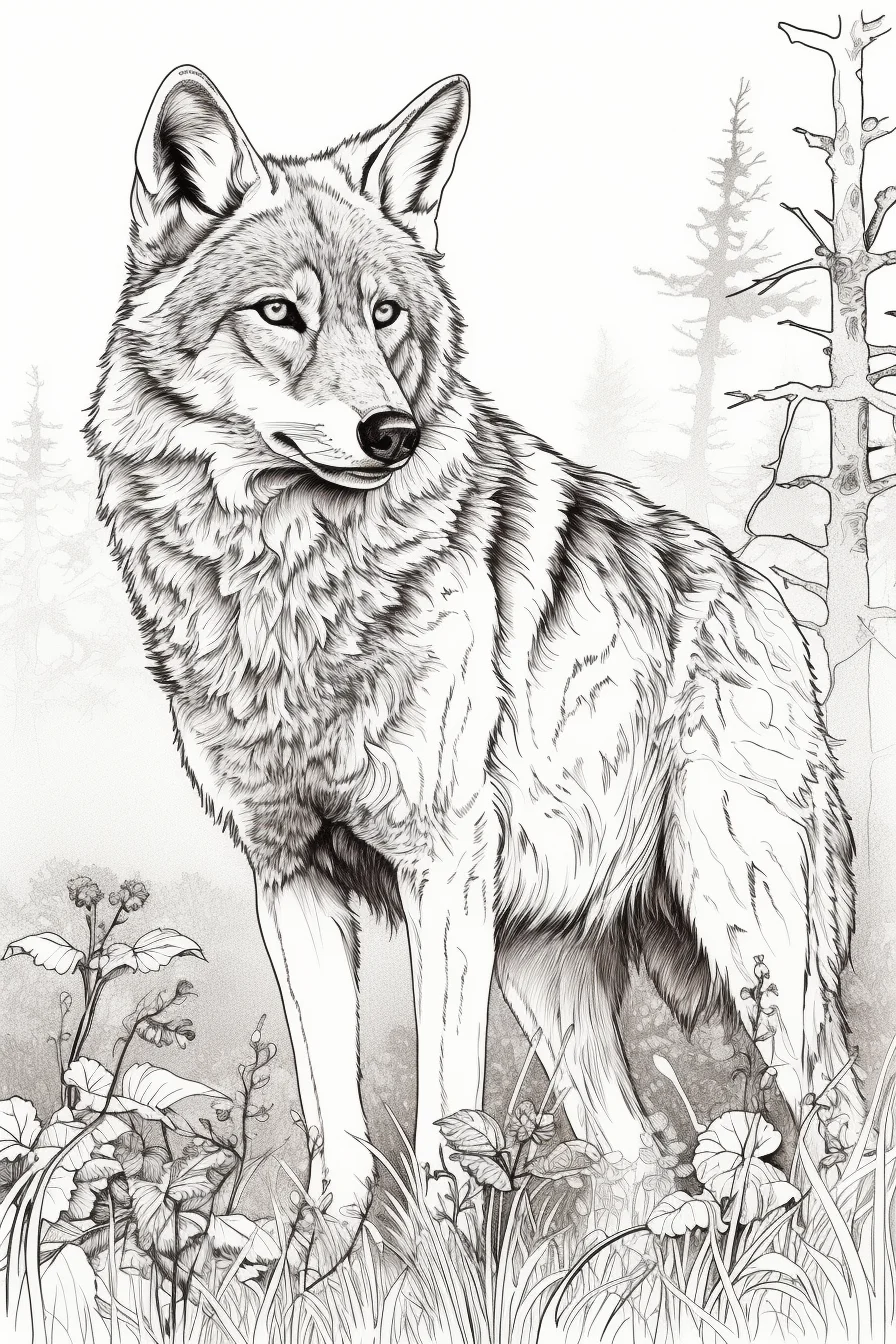
Choosing the Right Realistic Coloring Pictures Of Animals
When selecting coloring pictures, it’s essential to choose images that are age-appropriate and engaging. For younger students, opt for simpler designs that still possess realistic features. Older students might appreciate more intricate illustrations that challenge their coloring skills and attention to detail.
You can find various styles of animal illustrations online, but ensure that they depict animals accurately. Look for images that show the unique characteristics of each animal, such as texture, fur patterns, or distinctive markings. This attention to detail will not only enhance the coloring experience but will also spark discussions about the animals themselves.
Preparing for the Coloring Activity
Before diving into the coloring activity, prepare your classroom or home space. Here are some steps to follow:
- Gather Supplies: Ensure you have a variety of coloring materials available. Crayons, colored pencils, and markers all work well. Each medium offers a different experience, so let students choose what they prefer.
- Print the Pictures: When printing Realistic Coloring Pictures Of Animals, use high-quality paper. Cardstock is a great option as it holds up better against markers and prevents bleeding. Standard letter size (8.5” x 11”) is generally suitable for most coloring pages.
- Set Up Workstations: Arrange tables or desks to create comfortable workstations. Ensure that each student has enough space to spread out their coloring materials and finished work.
- Create a Calm Environment: Soft music can enhance the coloring experience, helping students focus. Consider playing nature sounds or instrumental music to set a tranquil atmosphere.
Integrating Learning With Coloring
While coloring, take the opportunity to integrate educational aspects into the activity. Here are some ideas:
- Discuss Animal Habitats: As students color, engage them in a discussion about where each animal lives. You can ask questions like, “What kind of environment do lions thrive in?” or “Where do penguins build their nests?”
- Explore Animal Facts: Share interesting facts about the animals they are coloring. For example, while coloring a dolphin, you might mention that dolphins are known for their intelligence and social behavior.
- Incorporate Art Techniques: Teach students about shading and blending colors. Show them how to use lighter colors to create highlights and darker shades for shadows, which can bring their pictures to life.
Displaying Finished Artwork
Once the coloring is complete, it’s time to showcase the students’ hard work. Here are some creative ways to display their Realistic Coloring Pictures Of Animals:
- Create a Gallery Wall: Dedicate a bulletin board or wall space in the classroom to display the artwork. This not only boosts students’ confidence but also allows them to appreciate each other’s work.
- Make a Coloring Book: Compile the finished pages into a class coloring book. Each student can contribute their favorite page, creating a keepsake that reflects their creativity.
- Frame and Gift: Encourage students to frame their artwork as a gift for family members or friends. This personal touch can make the coloring experience even more meaningful.
Using Coloring Pages Beyond the Classroom
Realistic Coloring Pictures Of Animals can also be a fantastic resource for home use. Parents can print these pages for their children as a fun weekend activity. Here are some suggestions for using the coloring pages at home:
- Quiet Time Activities: Coloring can serve as a calming activity during quiet time or before bed. It allows children to unwind while expressing their creativity.
- Birthday Party Favors: Consider using coloring pages as part of a birthday party activity. Set up a coloring station where guests can color their own pictures to take home as party favors.
- Seasonal Themes: You can incorporate animal coloring pages into seasonal themes. For instance, during a unit on spring, you might focus on baby animals, while autumn could feature woodland creatures.
Printing Tips for Best Results
To ensure that your coloring pages turn out beautifully, keep these printing tips in mind:
- Use Quality Settings: When printing, always select the best quality setting on your printer. This ensures that the lines are crisp and the details are clear.
- Check Paper Orientation: If your coloring page is in portrait orientation, make sure your printer is set to print that way. It’s a small detail that can prevent frustration later.
- Test Print: If you’re using a new printer or type of paper, do a test print first. This helps you adjust settings if necessary and ensures you’re satisfied with the output.
Encouraging Creative Expression
Coloring is more than just filling in lines; it’s an essential form of creative expression for children. Encourage students to think outside the box when coloring their Realistic Coloring Pictures Of Animals. Suggest that they try unconventional color combinations or add their own artistic flair by drawing in backgrounds or additional elements.
Letting children experiment with colors can foster confidence in their artistic abilities. Remind them that there is no right or wrong way to color—what matters is that they enjoy the process.
Documenting Progress Over Time
As students continue to engage with coloring activities, consider documenting their progress. This can be a great way to track their development in fine motor skills and creativity. Here are a few ideas:
- Portfolio Creation: Have students create a portfolio to store their completed coloring pages. This can be a simple folder or a more elaborate scrapbook that showcases their work over time.
- Reflection Journals: Encourage students to write a few sentences about their coloring experience. They can reflect on what they enjoyed, what they learned, and how they felt while creating their art.
- Yearly Exhibitions: Host an annual art exhibition where students can display their portfolios. This can become a beloved tradition that celebrates creativity and progress.
By integrating Realistic Coloring Pictures Of Animals into your teaching or home activities, you’re not just providing a fun pastime; you’re also encouraging creativity, learning, and self-expression. Remember to celebrate each child’s unique approach to their artwork, creating an inclusive and supportive environment for all.
For a quick start, download a few coloring pages today and prepare your supplies. You’ll be amazed at how quickly this activity can engage and inspire!









