When it comes to early childhood education, one of the most common challenges teachers face is helping students develop their handwriting skills. Many children struggle with letter formation and proper spacing, which can hinder their ability to write their names confidently. Printable Trace Your Name Worksheets are a fantastic solution to this problem, providing a structured and engaging way for students to practice their handwriting.
The Importance of Name Recognition
Before diving into the benefits of printable worksheets, it’s essential to understand why name recognition is crucial in early education. Children often take pride in their names, and recognizing and being able to write their names is a significant milestone. Not only does it help them develop their fine motor skills, but it also boosts their self-esteem. When children can see their names in print, they feel a sense of ownership and identity.
How Printable Trace Your Name Worksheets Work
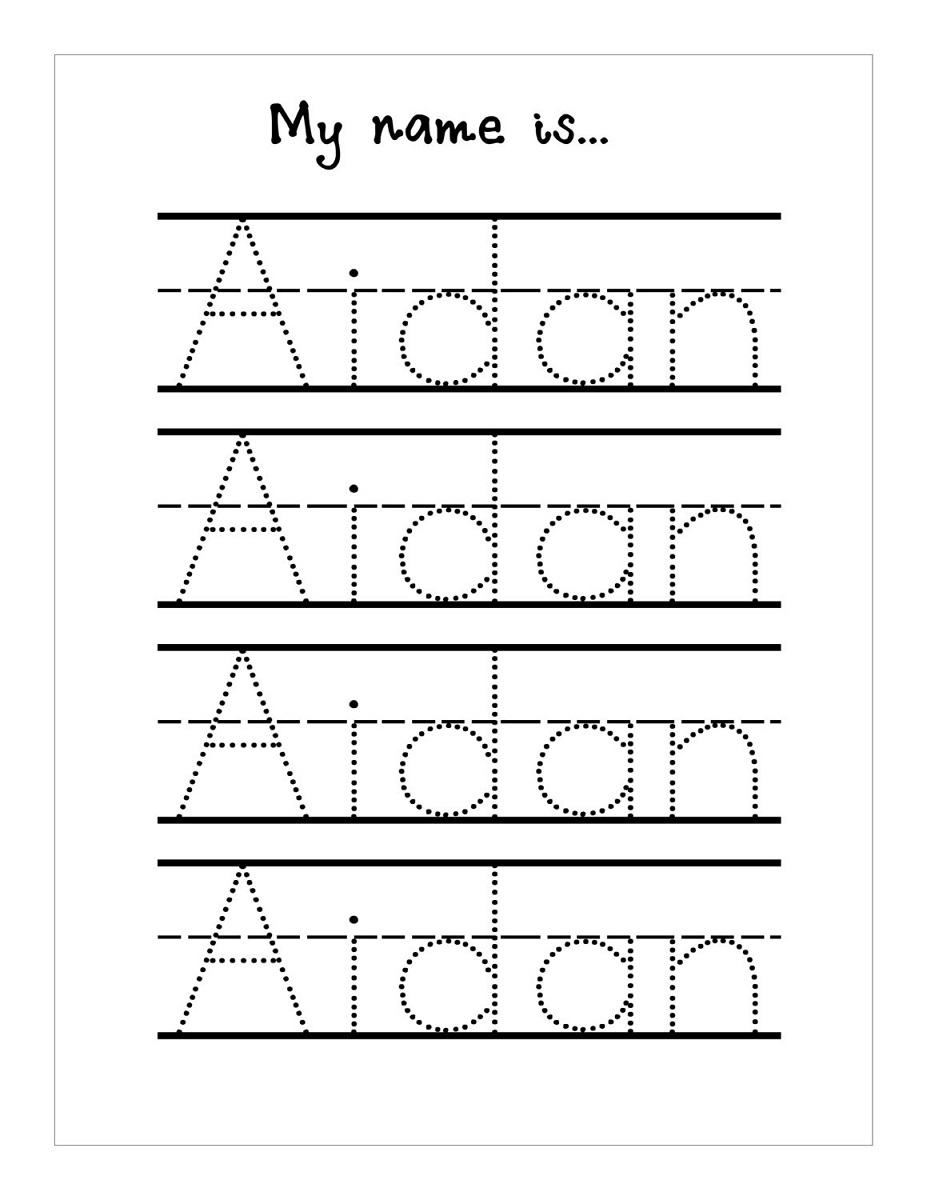
Printable Trace Your Name Worksheets are designed specifically for young learners. These worksheets typically include dotted lines or outlines of each letter in a child’s name, enabling them to trace over the letters. This tracing activity allows children to practice their handwriting skills in a low-pressure environment.
- Step-by-Step Guidance: Each worksheet usually provides a step-by-step approach, guiding students from tracing their names to writing them independently. This gradual increase in difficulty helps build confidence.
- Customizable Options: Many printable resources allow teachers to customize worksheets with different font styles or sizes, accommodating various learning needs. This flexibility ensures that each student can work at their own pace and level.
- Engaging Designs: Kids are more likely to engage with worksheets that incorporate fun designs or themes. Many printable trace your name worksheets include colorful borders or illustrations that make the learning experience enjoyable.
Utilizing Worksheets in the Classroom
Integrating Printable Trace Your Name Worksheets into your lesson plans can be seamless and effective. Here are some practical ways to implement these resources in your classroom:
Morning Routine Activity
Starting the day with a handwriting exercise can set a positive tone. Have students practice tracing their names as part of their morning routine. This not only warms them up for the day ahead but also reinforces name recognition.
Individualized Learning Stations
Create a learning station dedicated to handwriting practice. By rotating students through different activities, you can ensure that they receive varied approaches to learning. Use printable trace your name worksheets as one of the stations, allowing students to work independently while you focus on other groups.
Homework Assignments
Sending home worksheets can encourage parents to get involved in their child’s education. Printable Trace Your Name Worksheets can be a part of homework assignments, providing children with the opportunity to practice their names at home.
Tracking Progress and Assessing Skills
One of the most significant advantages of using Printable Trace Your Name Worksheets is the ability to track student progress. Here’s how you can effectively monitor their development:
- Regular Assessments: Create a system for assessing handwriting skills periodically. Collect the worksheets and evaluate how well each child is forming letters over time. This can help identify students who may need additional support.
- Student Portfolios: Consider keeping a portfolio for each student. By saving their worksheets, you can visually track their improvement in handwriting. This not only showcases their progress but also serves as a source of motivation for them.
- Feedback Mechanism: Provide constructive feedback on their worksheets. Highlight improvements and areas for further practice. This encourages a growth mindset and reinforces their learning journey.
Where to Find Quality Printable Trace Your Name Worksheets
When searching for the right resources, it’s essential to choose quality worksheets that cater to your classroom needs. Here are some tips for finding reliable sources:
- Educational Websites: Look for reputable educational websites that specialize in printable resources. These often have a variety of worksheets tailored for different grade levels and subjects.
- Teachers’ Resource Groups: Join online communities where teachers share their resources. You may find unique worksheets that other educators have created and are willing to share.
- Custom Worksheet Generators: Some websites allow you to create your own worksheets. You can input a child’s name and generate a traceable worksheet that’s personalized just for them.
Additional Activities to Reinforce Learning
To further enhance the learning experience, consider integrating additional activities alongside the Printable Trace Your Name Worksheets:
Name Art Projects
Encourage creativity by having students create art projects around their names. They can decorate their worksheets with stickers or drawings that represent their interests. This adds an element of fun to the learning process.
Group Activities
Incorporate group activities where students can help each other practice writing their names. This fosters collaboration and communication skills while reinforcing their learning.
Name Recognition Games
Play games that focus on name recognition. For instance, create a matching game where students match their name to their picture. This reinforces their understanding of their identity and promotes engagement.
Making the Most of Your Printable Resources
To maximize the effectiveness of Printable Trace Your Name Worksheets, keep these practical tips in mind:
- Print Quality: Use high-quality paper for printing. Cardstock works well, especially if you plan to laminate the worksheets for reuse.
- Printer Settings: Adjust your printer settings to ensure that the worksheets print clearly. A portrait layout is typically best for most home printers.
- Durability: If you’re using these worksheets frequently, consider laminating them. This allows for dry-erase markers to be used, enabling repeated practice without wasting paper.









