Printable Difficult Dot To Dot activities offer a fun and educational way for children to practice their counting and fine motor skills. These challenges can be an excellent addition to your teaching toolkit, If you are a teacher in a classroom or a parent looking for engaging activities at home. Dot to dot puzzles not only stimulate cognitive development but also provide a creative outlet for kids as they watch images come to life.
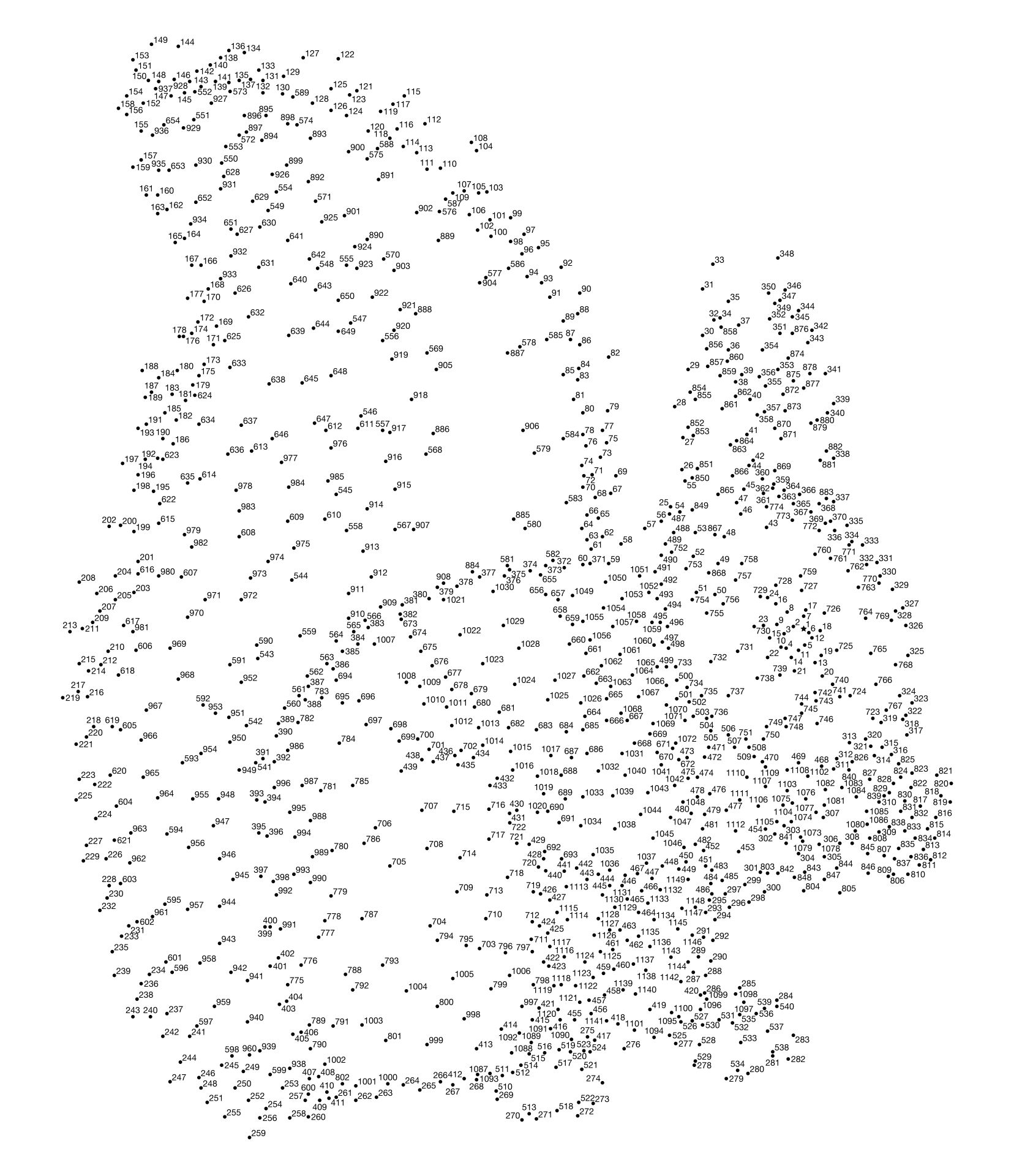
Understanding the Benefits of Dot to Dot Activities
Engaging children in Printable Difficult Dot To Dot activities helps promote several essential skills. First and foremost, these puzzles enhance counting proficiency. As children connect the dots in numerical order, they reinforce their understanding of number sequences. Additionally, the concentration required to complete these puzzles develops focus and attention to detail.
Moreover, dot to dot activities encourage hand-eye coordination. As children maneuver their pencils or markers to connect the dots, they strengthen their fine motor skills, which are crucial for writing and other tasks. This type of activity also fosters patience and perseverance, as completing a challenging puzzle can take time and effort.
How to Use Printable Difficult Dot To Dot Resources in the Classroom
Incorporating Printable Difficult Dot To Dot sheets into a classroom setting can be seamless and effective. Here are practical ways to integrate these activities into your lesson plans:
As a Warm-Up Activity
Start your class with a dot to dot puzzle as a warm-up exercise. This can help students settle in and prepare for the day’s lessons. Hand out Printable Difficult Dot To Dot sheets, and allow students to work individually or in pairs. This will not only engage them but also encourage collaboration and discussion about the completed images.
During Transition Times
Dot to dot puzzles are perfect for transition times, such as when students are waiting for others to finish a task or when moving from one subject to another. Keep a stack of Printable Difficult Dot To Dot sheets handy for these moments. This way, students can stay engaged without requiring significant preparation or cleanup time.
As a Reward or Incentive
You can use dot to dot puzzles as a reward for good behavior or successful completion of tasks. Encourage students to complete a challenging Printable Difficult Dot To Dot sheet after achieving a specific goal, such as finishing a project or demonstrating excellent teamwork.
Tips for Printing and Preparing Dot to Dot Sheets
When it comes to preparing your Printable Difficult Dot To Dot resources, consider the following practical tips:
- Paper Quality: Use heavier paper, like cardstock, for durability if students will be using markers or watercolors. This prevents ink bleed-through and ensures the sheets hold up during repeated use.
- Printer Settings: Adjust your printer settings to ensure the best quality print. Portrait layout usually works best for most home printers, and selecting the right print quality can enhance the clarity of the dots.
- Size Matters: If you have younger students or those who may struggle with fine motor skills, consider resizing the dots larger to make them easier to connect. You can often adjust the print settings to enlarge the images appropriately.
Creative Variations to Enhance the Experience
To make the Printable Difficult Dot To Dot activities even more engaging, consider these creative variations:
Themed Dot to Dot Puzzles
Integrate themes related to your curriculum. For example, if you’re teaching about animals, look for Printable Difficult Dot To Dot puzzles featuring various creatures. This thematic approach can spark interest and provide context for the activity.
Incorporate Art Elements
Once a dot to dot puzzle is completed, encourage students to add their artistic flair. They can color the finished image, create a background, or even draw additional elements around it. This not only enhances creativity but also allows for differentiation, as students can express their individuality through their artwork.
Use Technology
If you have access to tablets or computers, consider providing digital dot to dot activities. There are many educational websites and apps that offer interactive dot to dot puzzles. This can be a refreshing change and appeal to tech-savvy students.
Assessing Progress and Skill Development
To truly understand the impact of Printable Difficult Dot To Dot activities, it’s crucial to assess students’ progress. Here are effective methods for evaluation:
Observation
Take note of how students approach the puzzles. Are they counting out loud? Do they show signs of frustration or excitement? Observational assessments can provide insight into their confidence levels and understanding of numerical sequences.
Completed Projects
Review the completed dot to dot sheets. Look for neatness and accuracy in connecting the dots, which can indicate fine motor skill development. Additionally, assess their ability to follow the sequence correctly, as this reflects their counting skills.
Peer Review
Encourage students to share their completed puzzles with peers. This not only fosters a sense of community but also allows for constructive feedback. They can discuss which images were easier or more challenging and why, promoting critical thinking and communication skills.









