Math Coloring Worksheets For 6th Graders are a fantastic way to combine creativity with learning in the classroom. These worksheets not only make math enjoyable but also help reinforce key concepts. By incorporating coloring into mathematics, you can foster a more engaging learning environment for your students. guide you through the benefits of using these worksheets, how to effectively use them in your classroom, and some creative ideas for their application.
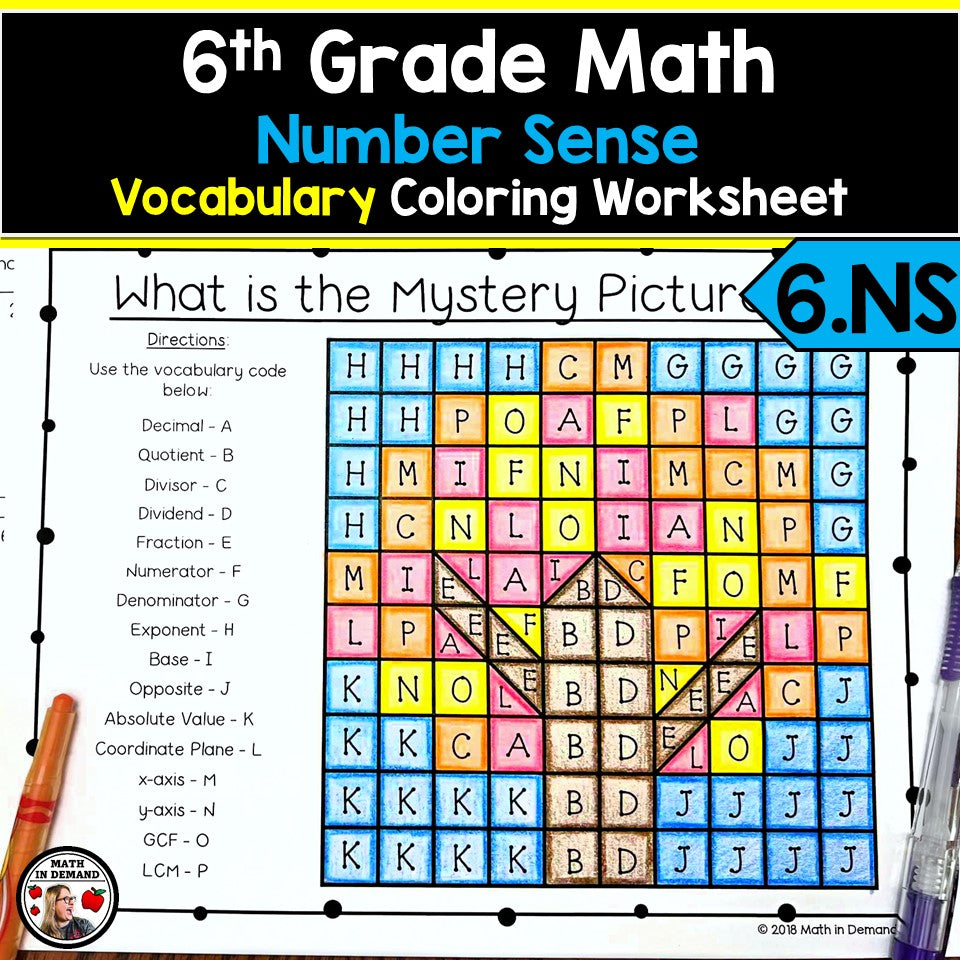
Why Use Math Coloring Worksheets?
Math Coloring Worksheets are specifically designed to help 6th graders practice math skills while expressing their creativity. The primary benefits include:
- Enhanced Engagement: Coloring can make math more fun, transforming what might be a tedious task into an enjoyable activity.
- Visual Learning: These worksheets often incorporate visual elements that cater to students who learn better through images and colors.
- Skill Reinforcement: They provide a unique way to practice math skills, such as fractions, multiplication, and geometry, while keeping students focused and entertained.
When you introduce Math Coloring Worksheets into your lessons, you’re not just teaching math; you’re creating a dynamic learning experience that can lead to better retention and understanding of the material.
Types of Math Coloring Worksheets Available
There are various types of Math Coloring Worksheets available for 6th graders, each focusing on different math concepts. Here are some common types:
- Fraction Coloring Worksheets: Students color sections of shapes based on the fractions given, helping them visualize fraction concepts.
- Geometry Coloring Pages: These worksheets incorporate geometric shapes and problems that require students to color according to the answers they calculate.
- Algebra Coloring Worksheets: Students solve equations and use the results to determine which colors to apply to specific areas of the worksheet.
- Word Problems with Coloring: These worksheets combine math word problems with coloring activities, requiring students to solve problems before they can color.
Each type serves a specific purpose and can be tailored to meet the needs of your class.
Best Practices for Using Math Coloring Worksheets
To maximize the effectiveness of Math Coloring Worksheets in your classroom, consider these best practices:
1. Introduce the Concept
Before handing out the worksheets, ensure that your students understand the math concepts being covered. A brief review or a mini-lesson can set the stage for successful completion of the worksheets.
2. Provide Clear Instructions
Make sure to give clear instructions on how to complete the worksheets. For example, if students are to color a certain area based on their answer, explain the correlation between their math work and the coloring.
3. Use Quality Materials
When printing the worksheets, use good quality paper. Cardstock is an excellent choice as it holds up well under coloring materials like markers or crayons. This will ensure that the worksheets are durable and can be used multiple times if necessary.
4. Allow for Creativity
Encourage your students to personalize their worksheets. While there are specific colors tied to answers, letting them choose additional colors can foster creativity and make the activity more enjoyable.
5. Review and Discuss
After students complete their worksheets, take time to review the answers as a class. This not only reinforces learning but also provides an opportunity for students to share their coloring choices and thought processes.
Creative Uses for Math Coloring Worksheets
Math Coloring Worksheets can be used in various creative ways beyond the standard classroom setting. Here are some ideas:
1. Math Centers
Set up a math center in your classroom where students can work on Math Coloring Worksheets independently or in small groups. This encourages collaboration and allows for peer learning.
2. Homework Assignments
Assign these worksheets as homework to reinforce what students have learned in class. The creative aspect may make students more willing to complete their assignments.
3. Portfolio Pieces
Encourage students to keep their completed worksheets in a portfolio. This not only showcases their work but also allows them to see their progress over time.
4. Classroom Displays
Select a few standout worksheets to display in the classroom. This can create a sense of pride among students and promote a positive learning environment.
Tips for Printing Math Coloring Worksheets
When preparing to print Math Coloring Worksheets, keep the following tips in mind:
- Paper Size: Standard letter size (8.5 x 11 inches) is typically best for easy printing and handling.
- Print Settings: Use high-quality print settings to ensure the colors are vibrant and the lines are clear.
- Color Printing: If possible, print in color to maintain the integrity of the worksheets, as many designs rely on color differentiation.
- PDF Format: Download worksheets in PDF format to avoid any reformatting issues that can occur with image files.
By following these tips, you can ensure that the worksheets are visually appealing and easy for students to work with.









