Math Color By Number Addition is an engaging way to help children practice their addition skills while tapping into their creativity. This resource combines math and art, providing a unique approach to learning that can make the process enjoyable. Here’s how you can effectively use these printable resources in your classroom.
Understanding Math Color By Number Addition
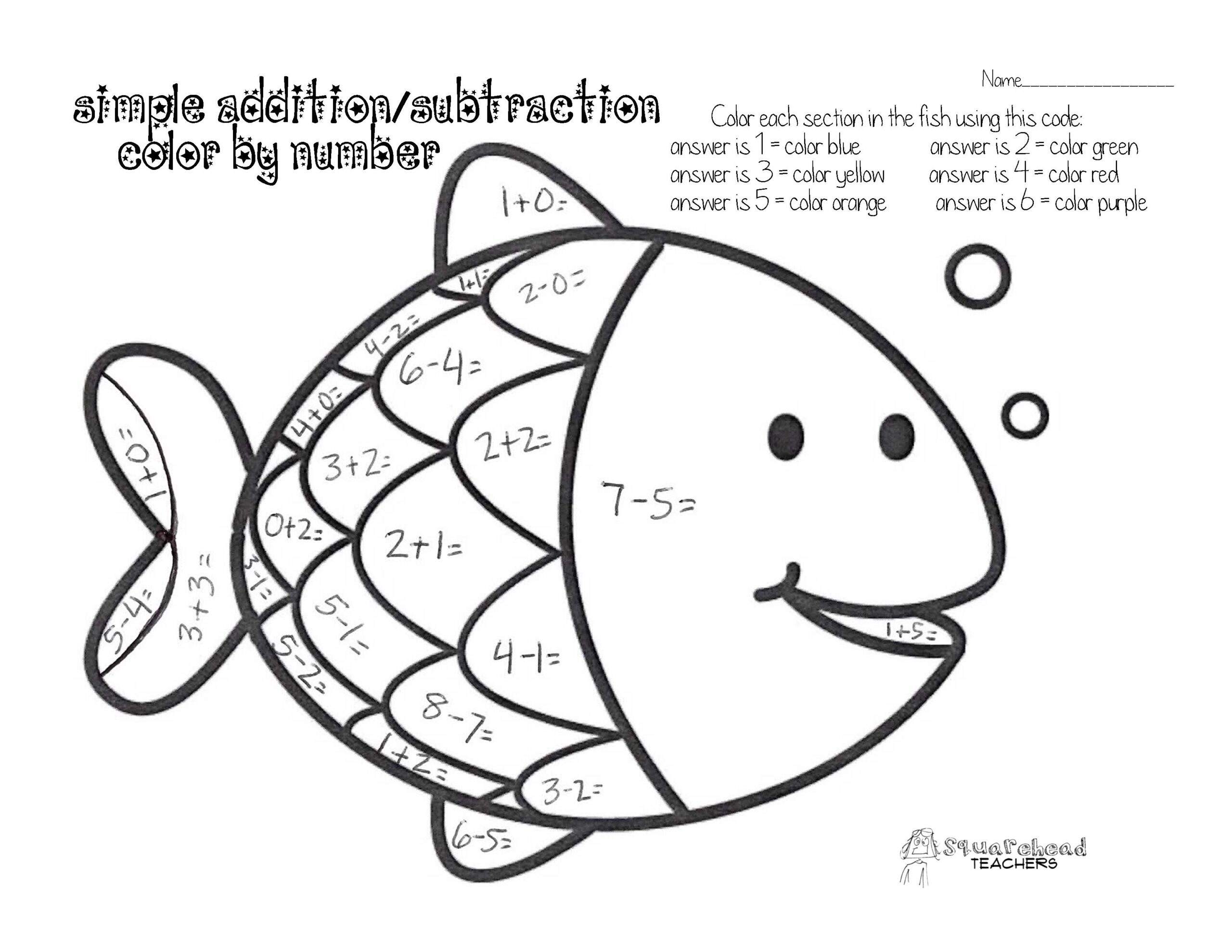
Math Color By Number Addition worksheets typically present a picture divided into sections, each labeled with a number. Students solve addition problems to determine which color to use for each section. The final result is a colorful image that shows their efforts and understanding of addition.
These worksheets suit early elementary students, especially those in kindergarten through second grade. They are perfect for reinforcing addition skills in a fun and engaging way. Teachers can use them as part of math centers, homework assignments, or even during quiet time.
Selecting the Right Materials
When preparing to use Math Color By Number Addition resources, consider the materials you’ll need for optimal results:
- Paper Type: Using standard printer paper (8.5 x 11 inches) is common, but heavier paper or cardstock can prevent bleed-through if students use markers.
- Coloring Tools: Choose between crayons, colored pencils, or markers. Crayons are great for younger children, while colored pencils offer more precision. Markers provide vibrant colors but may bleed through thinner paper.
- Printing Settings: It’s best to print in portrait orientation to maximize the page area. Ensure your printer settings are adjusted to avoid any scaling issues.
Creative Ways to Implement in the Classroom
Here are several creative strategies to incorporate Math Color By Number Addition into your teaching practice:
Math Centers
Create a math center where students can independently work on color by number worksheets. Set up a designated area with coloring supplies, and rotate the worksheets regularly to keep the activity fresh.
Group Activities
Use the worksheets as a group activity. Have students work together to solve the addition problems and discuss their answers. This promotes teamwork and collaborative problem-solving.
Thematic Learning
Tie the Math Color By Number Addition worksheets to a theme. For instance, if you’re studying seasons, choose worksheets that feature seasonal images. This enhances engagement and helps students make connections to broader topics.
Homework Assignments
Send these worksheets home as part of homework packets. Parents will appreciate the fun and educational activity, and it allows students to practice their math skills outside of the classroom.
Tips for Optimal Use
To get the most out of Math Color By Number Addition resources, consider these practical tips:
- Preview the Worksheet: Before distributing, solve the worksheet yourself. This helps you identify any potential challenges students may face.
- Provide Clear Instructions: Make sure students understand how to approach the problems and which colors correspond to which sums.
- Encourage Creativity: While the worksheet suggests specific colors, encourage students to use their own creativity. They can choose colors based on personal preference, which adds a fun twist to the activity.
- Assess Understanding: Use the completed coloring pages to assess students’ understanding of addition. You can ask them to explain their thought process or the problems they solved.
Downloading and Printing Resources
Finding quality Math Color By Number Addition resources is easy. Many educational websites offer free or low-cost printable worksheets. When downloading:
- Ensure the file format is compatible with your printer (PDF is often the best choice).
- Check the resolution of the images to ensure they print clearly.
- Look for resources that include a variety of addition problems to keep students challenged.
Once downloaded, print copies for your class. Consider printing extras for students who may want to practice at home.
Encouraging a Positive Learning Environment
When using Math Color By Number Addition, aim to create a positive and supportive environment. Celebrate students’ successes, no matter how small, to boost their confidence. Make sure to display their finished artwork around the classroom to showcase their hard work.
This not only enhances their self-esteem but also encourages others to participate actively in the activity.









