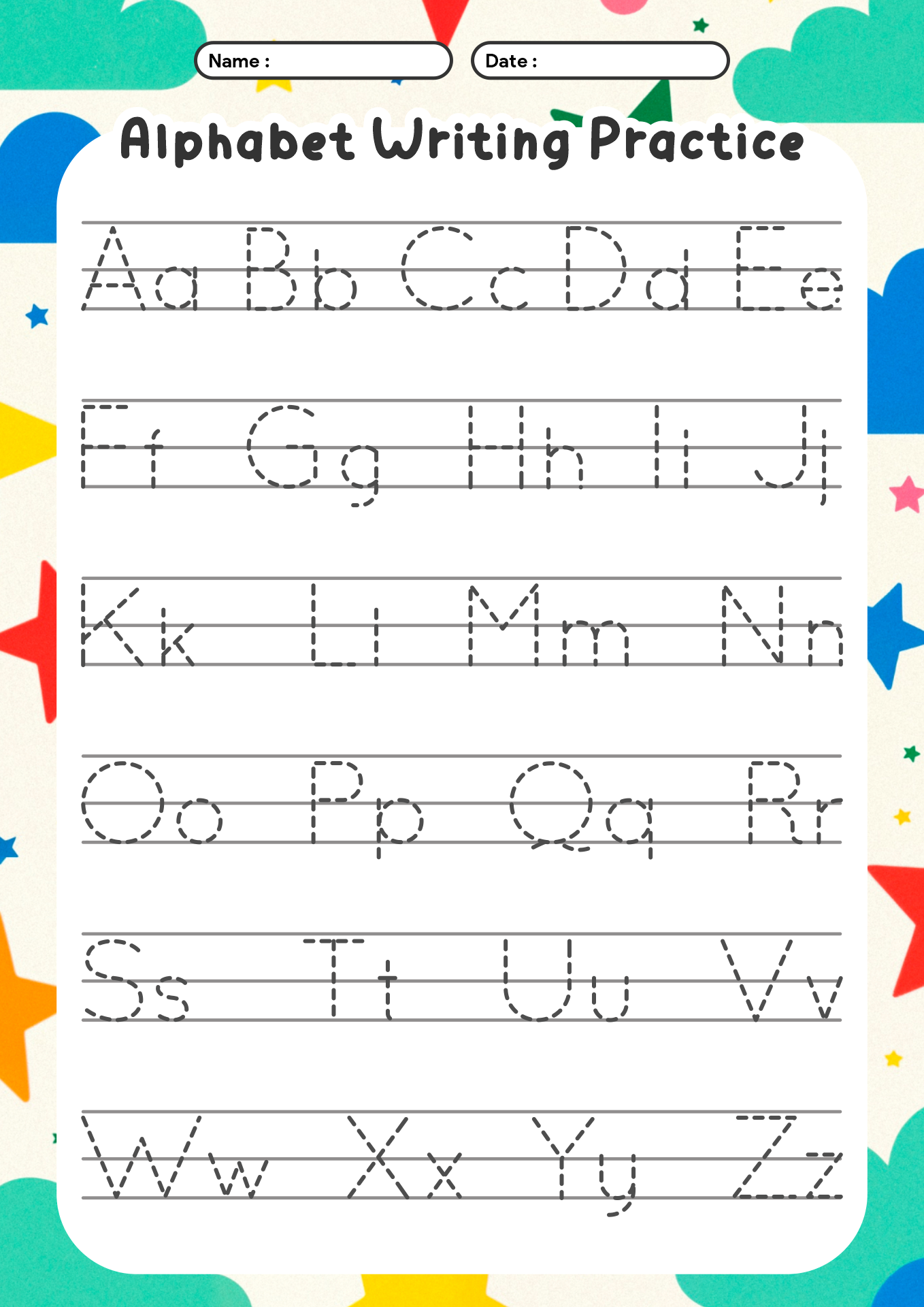
Letter tracing worksheets for kindergarten are an essential tool for developing early literacy skills. These worksheets help young learners practice the formation of letters while building their fine motor skills. By using these resources, teachers and parents can create an engaging and supportive learning environment that encourages children to explore writing.
What Are Letter Tracing Worksheets?
Letter tracing worksheets are specially designed printables that feature letters in a format that children can trace over. Typically, these worksheets have dotted or dashed letters, making it easier for kids to follow along. The primary goal is to teach letter formation, improve handwriting, and familiarize children with the alphabet.
These worksheets can be used in various settings, including classrooms, homeschools, or even at home for extra practice. They are suitable for children in kindergarten, usually aged 5 to 6 years, who are beginning to learn how to write.
Benefits of Using Letter Tracing Worksheets
Using letter tracing worksheets in your teaching can yield several benefits:
- Fine Motor Skills Development: Tracing helps strengthen the small muscles in a child’s hand, crucial for writing.
- Letter Recognition: Regular practice aids in recognizing and remembering letters.
- Confidence Building: As children see their progress in tracing letters, their confidence in their writing abilities grows.
- Structured Practice: Worksheets provide a structured approach to learning that can be beneficial for both teachers and parents.
How to Use Letter Tracing Worksheets Effectively
To maximize the benefits of letter tracing worksheets for kindergarten, follow these practical tips:
- Print in Bulk: If you’re using these worksheets in a classroom, consider printing a bulk supply. This way, every child can have their own set. Use standard paper sizes like 8.5″x11″ for easy printing.
- Choose the Right Paper: For worksheets that will be reused, consider using cardstock or laminating them. This allows for dry-erase markers to be used, making it easy for children to practice multiple times.
- Incorporate Fun Activities: Pair tracing with fun activities. For example, after tracing the letter “A,” you could have children color in an apple. This reinforces their learning while keeping them engaged.
- Monitor Progress: Keep track of the students’ progress. You can do this informally by observing their tracing skills or more formally by collecting their worksheets for review.
- Provide Feedback: Positive reinforcement is key. When a child successfully traces a letter, offer praise or encouragement to build their confidence.
Where to Find Letter Tracing Worksheets
There are many places to find high-quality letter tracing worksheets for kindergarten. Here are a few options:
- Printable Resource Websites: Websites dedicated to educational materials often provide free or low-cost printable worksheets. Look for those that offer a variety of styles and formats.
- Teacher Resource Centers: Many local and online teacher resource centers have a selection of worksheets available for purchase or free download.
- Educational Apps: Some apps provide digital versions of letter tracing worksheets, allowing children to practice on tablets or computers.
Types of Letter Tracing Worksheets
When searching for letter tracing worksheets, you may encounter different types. Here are a few common formats:
- Uppercase and Lowercase Letters: Worksheets that feature both uppercase and lowercase letters help children understand the differences in letter forms.
- Alphabet Themes: Some worksheets incorporate themes, such as animals or objects that start with each letter. This can make learning more relatable and fun.
- Mixed Practice: Worksheets that combine letters, numbers, or shapes can provide a well-rounded practice experience for kindergartners.
- Interactive Worksheets: These might include sections for children to draw or color after tracing to enhance engagement.
Tips for Parents and Teachers
For parents and teachers using letter tracing worksheets for kindergarten, consider these additional tips:
- Set a Routine: Regular practice is essential. Set aside a specific time each day for letter tracing.
- Use Positive Reinforcement: Celebrate achievements, no matter how small. Stickers or a simple “great job!” can work wonders for motivation.
- Adapt to Learning Styles: Some children may prefer more tactile methods, such as tracing letters in sand or using finger paints. Don’t hesitate to mix it up!
- Encourage Creativity: Allow children to create their own letters using playdough or other materials after practicing on worksheets.









