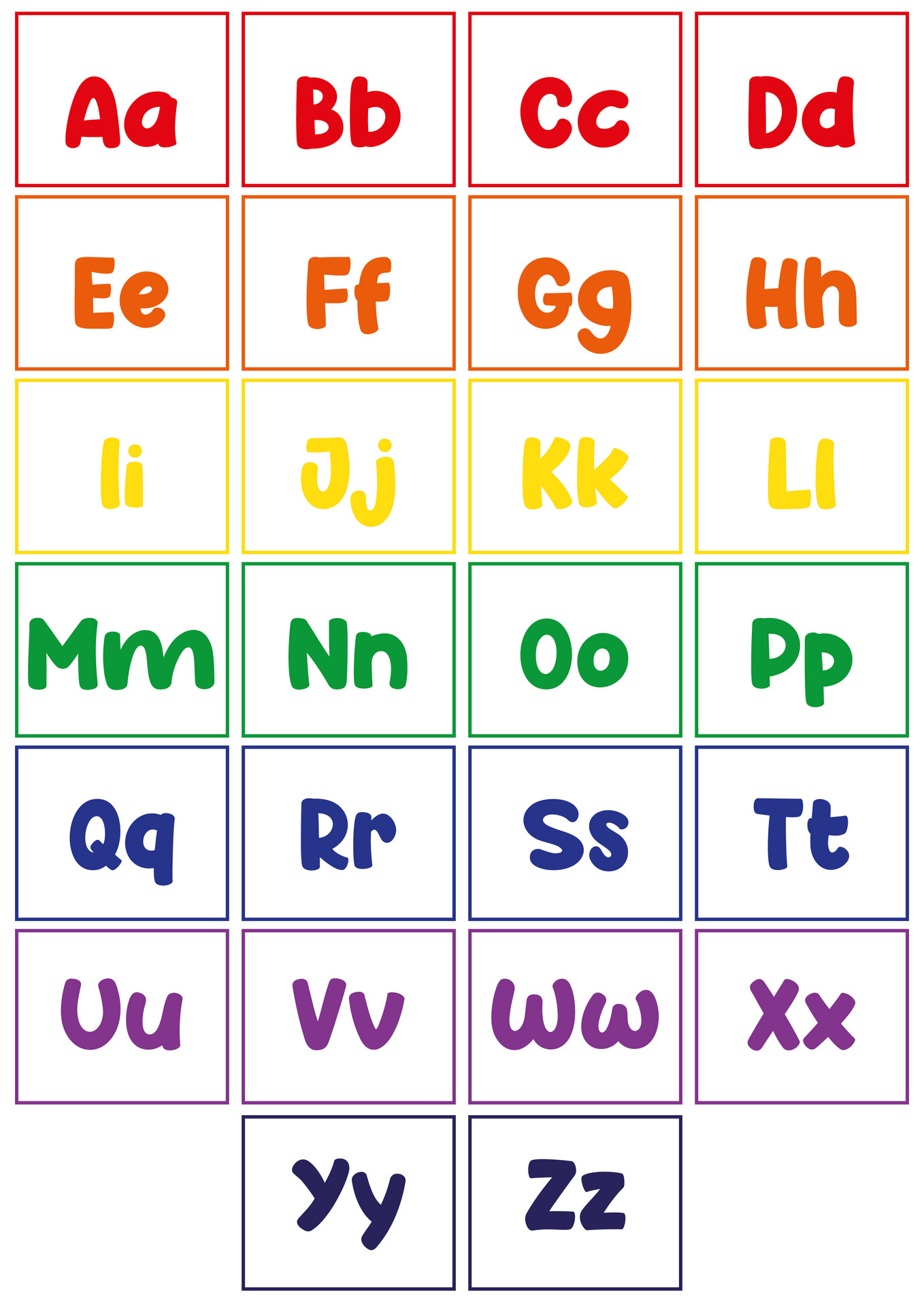
When it comes to teaching young learners the alphabet, having access to Free Printable Uppercase And Lowercase Letters can make a world of difference. These resources not only provide an engaging way to practice letter recognition but also aid in developing fine motor skills through writing and coloring activities. In this guide, we’ll explore various ways to utilize these printables effectively in your classroom or at home.
Understanding the Importance of Letter Recognition
Letter recognition is a foundational skill for early literacy. Children who can identify both uppercase and lowercase letters are better equipped to read and write as they progress through their education. By using free printable resources, you can create an interactive learning environment that caters to different learning styles. Whether it’s through games, worksheets, or coloring pages, these printables can enhance the learning experience.
Where to Find Free Printable Uppercase And Lowercase Letters
There are numerous websites offering free printable uppercase and lowercase letters. When searching, look for sites that provide quality resources in PDF format, as this format is less likely to distort when printed. Here are a few reliable sources to consider:
- Educational websites focused on early childhood learning
- Teacher resource platforms with printable materials
- Creative arts and crafts blogs that offer free downloads
Make sure to review each site’s terms of use to ensure you can print and distribute the materials as needed.
Types of Printable Letters Available
When looking for printable letters, you’ll find a variety of formats and styles that suit different educational needs. Here are some common types you might encounter:
- Alphabet Flashcards: Great for quick recognition exercises, flashcards can be used for matching games or letter-sound associations.
- Worksheets: These can include tracing, coloring, or fill-in-the-blank activities that reinforce letter recognition and writing skills.
- Coloring Pages: Fun and creative, coloring pages featuring letters can keep children engaged while they learn.
- Posters: Large-format letters can be displayed in the classroom or at home, serving as visual aids for daily use.
Tips for Printing and Using the Resources
Before you hit print, here are some practical tips to ensure that your experience is smooth and effective:
- Paper Quality: Use cardstock for durability, especially if you plan to laminate the letters for repeated use. Regular printer paper is fine for one-time use or worksheets.
- Print Settings: Check your printer settings to ensure that you select the correct paper size (usually 8.5″x11″) and adjust the print quality to “Best” for clearer images.
- Color vs. Black and White: While colored letters are visually appealing, black and white versions can save ink and still serve the purpose well, especially for coloring activities.
- Laminating: If you want to make the letters reusable, consider laminating them. This works well for flashcards or posters, allowing you to wipe them clean easily.
Creative Activities Using Printable Letters
To maximize engagement, integrate these printables into various activities that promote learning. Here are a few ideas:
Letter Matching Game
Create a fun matching game using uppercase and lowercase letters. Print out two sets of letters, cut them out, and mix them up. Children can take turns finding pairs while improving their letter recognition skills.
Alphabet Scavenger Hunt
Hide the printed letters around your classroom or home. Give clues or simply let the children search for them. Once they find a letter, they can say its name and sound, reinforcing their learning in a playful way.
Craft Projects
Combine art with learning by using the letters in craft projects. For example, children can create a collage using images that start with each letter. This not only reinforces letter recognition but also enhances vocabulary skills.
Tailoring Activities to Different Age Groups
Different age groups may require distinct approaches when using printable letters. Here’s how to tailor activities:
Preschoolers (Ages 3-5)
Focus on basic recognition and motor skills. Use large letters for tracing or coloring. Interactive activities like singing the alphabet song while pointing to the letters can be beneficial.
Kindergarten (Ages 5-6)
Introduce simple worksheets that involve tracing and matching uppercase and lowercase letters. Flashcards can also be used for quick reviews.
Early Elementary (Ages 6-8)
At this stage, you can incorporate more complex activities such as writing sentences using the letters. Worksheets that require children to fill in missing letters or create words can also be effective.









