Cutting practice for Pre K is an essential part of early childhood education, helping young learners develop fine motor skills that are crucial for their overall development. As teachers, you understand the importance of providing engaging activities that not only teach skills but also keep children excited about learning. cover various cutting practice activities, materials to use, and how to integrate these resources into your classroom effectively.
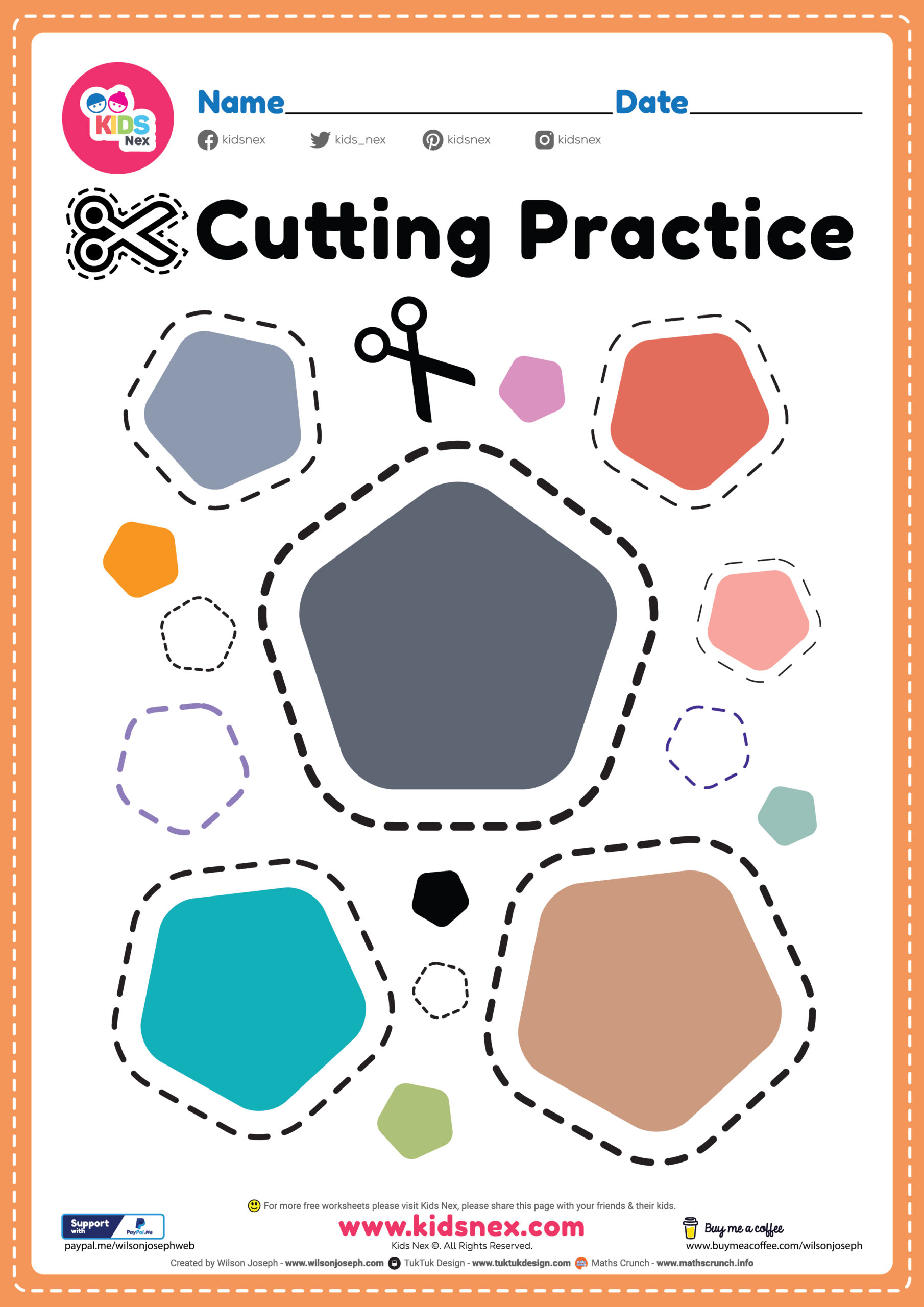
The Importance of Cutting Practice
Before diving into specific activities, it’s vital to understand why cutting practice is so important for Pre K students. Cutting helps children enhance their hand-eye coordination, dexterity, and concentration. By using scissors, they learn to control their movements, which lays the groundwork for writing and other fine motor skills later on.
Moreover, cutting activities can boost confidence. As children successfully cut along lines or shapes, they build a sense of accomplishment that encourages them to tackle more complex tasks in the future. Plus, it’s a fun way to express creativity!
Engaging Cutting Practice Activities
There are numerous ways to incorporate cutting practice into your curriculum. Here are some engaging activities that can easily be adapted to fit various themes or subjects:
1. Cutting Shapes and Patterns
One effective way to get children started with cutting is by having them cut out shapes and patterns. You can create templates of basic shapes like circles, squares, and triangles. Provide children with colorful paper and encourage them to cut along the lines.
- Tip: Use different textures of paper, such as construction paper or scrapbook paper, to make the activity more interesting.
2. Seasonal and Thematic Cutting Projects
Integrate cutting practice into seasonal themes or special projects. For example, during autumn, you can provide leaf templates for children to cut out or create holiday ornaments during winter. This not only makes cutting more relevant but also allows for cross-curricular learning.
3. Collage Creation
Collage-making is a fantastic way to combine cutting practice with creativity. Provide magazines, old greeting cards, or colored paper for children to cut out images or shapes. They can then glue their cutouts onto a larger piece of paper to create a unique collage.
- Tip: Encourage children to discuss their collages and the choices they made in selecting images. This adds an extra layer of learning.
4. Scissor Skills Worksheets
Worksheets specifically designed for cutting practice can be a great addition to your resources. Look for worksheets that feature dotted lines, zigzags, or intricate designs that challenge children at different skill levels.
- Tip: Pair these worksheets with a coloring activity to reinforce the concepts learned through cutting.
Choosing the Right Materials
When it comes to cutting practice, the right materials can make a significant difference in how engaged and successful children are. Here are some considerations for selecting materials:
Scissors
Choose child-safe scissors that are specifically designed for younger children. These typically have rounded tips and are lighter, making them easier for small hands to handle.
- Tip: Demonstrate how to hold scissors correctly and the proper way to cut to set students up for success.
Paper Types
Using various types of paper can enhance the cutting experience. Thicker cardstock can be more challenging but offers a sense of accomplishment once mastered. Conversely, thinner paper is easier to cut and can be great for beginners.
- Tip: Always consider the age group and skill level when selecting paper thickness.
Templates
Templates can guide children’s cutting practice. Look for printable resources that feature a variety of shapes, patterns, and themes. These can be printed in different sizes to suit your classroom needs.
- Tip: Ensure that templates are clear and easy to follow, as this will help reduce frustration.
Integrating Cutting Practice Into Daily Routines
Integrating cutting practice into your daily routines can help reinforce the skills children are learning. Here are a few strategies to incorporate cutting activities seamlessly:
Free Play Stations
Set up a free play station in your classroom where children can engage in cutting activities during centers or free time. Include scissors, paper, and various templates to encourage independent practice.
Incorporating Cutting Into Other Subjects
Link cutting practice to other subjects, like math or literacy. For example, children can cut out letters or numbers to create their own words or simple equations. This not only reinforces cutting skills but also helps solidify their understanding of these concepts.
Parent Involvement
Encourage parents to participate in their child’s cutting practice at home. Provide them with resources, such as printable templates or simple projects to do together. This not only supports learning but also fosters a connection between home and school.
Printable Resources for Cutting Practice
To make your planning easier, consider utilizing printable resources designed specifically for cutting practice. Here are some types of resources you might look for:
- Templates: Look for a variety of templates that include shapes, seasonal designs, and themed images.
- Worksheets: Find worksheets that guide children through different cutting paths, such as straight lines, curves, and complex shapes.
- Coloring Pages: Integrate coloring with cutting by using coloring pages that can be cut out after children finish coloring.
Many websites offer free or low-cost downloadable resources that can be printed at home or in your classroom.
- Tip: Always check the print settings before printing to ensure everything fits correctly on the page.
Encouraging Safe Scissor Use
Teaching children how to use scissors safely is crucial. Here are some tips to ensure safety while they practice:
- Demonstrate Proper Handling: Show children how to hold scissors correctly, with the thumb in one hole and fingers in the other.
- Supervise Cutting Activities: Always supervise children during cutting activities to ensure they are using scissors safely and effectively.
- Create a Safe Cutting Space: Set up a designated cutting area in your classroom where children can focus on their tasks without distractions.
Final Tips for Successful Cutting Practice
To maximize the benefits of cutting practice in your Pre K classroom, consider these final tips:
- Be Patient: Mastering cutting skills takes time. Celebrate small victories to keep children motivated.
- Mix Up Activities: Regularly change cutting activities to maintain interest and challenge children at different levels.
- Encourage Creativity: Allow children to use their imagination in cutting projects, which can lead to more engagement and enjoyment.
Investing time in cutting practice for Pre K students will pay off in their overall fine motor development and confidence. By using a variety of resources and integrating these activities into your daily routines, you can create a rich learning environment that fosters essential skills while keeping children excited about learning.









