Cut and Paste Printable Activities are excellent resources for teachers and parents looking to enhance children’s learning while also engaging them in creative tasks. These activities not only support fine motor skill development but also encourage critical thinking as children decide how to arrange and combine different elements. In this guide, you’ll discover various activities, tips for effective implementation, and practical advice for making the most out of these resources.
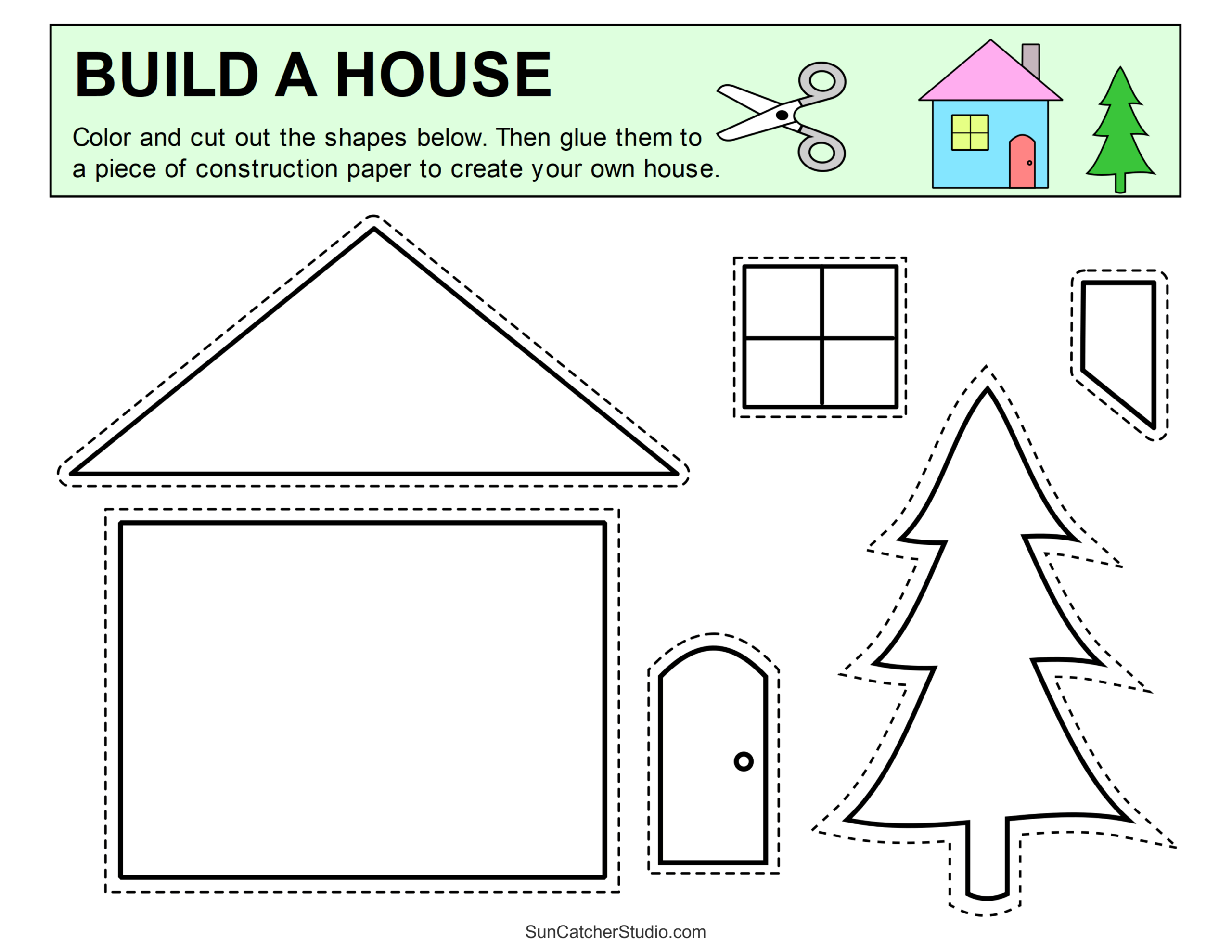
Understanding the Importance of Cut and Paste Activities
Cut and paste activities are more than just a fun pastime; they play a critical role in child development. These activities help improve fine motor skills, which are essential for tasks such as writing, drawing, and manipulating objects. When children cut shapes and paste them onto paper, they practice hand-eye coordination and dexterity.
Moreover, these activities can be tailored to various educational goals. For instance, you can focus on themes such as seasons, holidays, or even math concepts. This adaptability makes them an invaluable tool in both classroom settings and at home.
Types of Cut and Paste Printable Activities
When searching for Cut and Paste Printable Activities, you’ll find a wide array of options that cater to different educational needs and age groups. Here are some popular types:
Thematic Activities
Thematic cut and paste activities revolve around specific topics such as animals, the alphabet, or numbers. For example, a seasonal theme might include activities where children cut out images of leaves, pumpkins, or snowflakes and paste them onto a scene.
Educational Worksheets
These worksheets combine cutting and pasting with educational content, such as matching words to images, sequencing events, or completing patterns. They are perfect for reinforcing lessons in a fun, interactive manner.
Craft Projects
Craft-based cut and paste activities encourage creativity. Children can create collages or artworks using pre-made templates. These often include step-by-step instructions, making it easy for young learners to follow along.
Storytelling Activities
These activities can help develop literacy skills by encouraging children to cut out pictures and words from magazines or printed sheets, then use them to create their own stories. This can be a great way to combine art with language learning.
How to Choose the Right Printable Activities
When selecting cut and paste printable activities, consider the following factors to ensure they meet your educational goals:
Age Appropriateness
Always check the recommended age range for each activity. Some printables may be designed for younger children, while others might be more suitable for older kids. Tailoring activities to your child’s age ensures they are both engaging and appropriately challenging.
Skill Development Focus
Identify what skills you want to develop through these activities. For instance, if the goal is to improve fine motor skills, look for activities that require more intricate cutting and pasting. On the other hand, if you’re aiming to teach a concept, such as addition or vocabulary, choose worksheets that integrate learning with the cut and paste format.
Accessibility and Format
Make sure the activities are easy to access and print. PDF formats are generally preferred, as they maintain formatting across different devices and printers. Check if the activities are designed for standard paper sizes, like A4 or Letter, to avoid issues during printing.
Tips for Successful Implementation
To maximize the benefits of cut and paste printable activities, consider these practical tips:
Prepare Your Materials
Gather all necessary materials before starting the activity. This might include scissors, glue, colored pencils, or markers. Having everything ready will keep distractions to a minimum and ensure a smoother process.
Demonstrate Techniques
Especially for younger children, it can be helpful to demonstrate cutting and pasting techniques. Show them how to hold scissors properly and how to apply glue without making a mess. This not only ensures safety but also builds confidence as they learn.
Create a Dedicated Workspace
Set up a designated area for crafting and learning. A clean, well-organized workspace can make the activity more enjoyable and focused. Cover the table with newspaper or a plastic sheet to make cleanup easier afterward.
Encourage Creativity
While the activities may have specific instructions, encourage children to express their creativity. Allow them to add their own drawings or decorations to the project. This can enhance their engagement and make the experience more personal.
Engaging Children With Cut and Paste Activities
Keeping children engaged during cut and paste activities can sometimes be a challenge. Here are some strategies to maintain interest:
Incorporate Technology
Consider using digital versions of cut and paste activities. Interactive apps and websites can provide a modern twist by allowing children to drag and drop images. This can be especially appealing to tech-savvy kids.
Use Storytelling
Frame the activities within a story or theme that captures the child’s imagination. For example, if you’re working with animal cutouts, tell a story about a jungle adventure where they must help the animals find their way home.
Set Goals and Rewards
Setting small goals, such as completing a specific number of activities in a week, can motivate children. You might also introduce a reward system, where they earn stickers or small prizes for completing tasks.
Where to Find Quality Printable Resources
There are numerous websites offering high-quality cut and paste printable activities. Here are a few reliable options:
- Education.com: Offers a variety of worksheets and activities tailored to different grade levels and subjects.
- Teachers Pay Teachers: A marketplace where educators share their resources, often including unique cut and paste activities.
- Pinterest: A great source for creative ideas and free printable links. Just search for specific themes or skills.









