Cut and paste activities for kids are not just fun; they are incredibly beneficial for developing fine motor skills, creativity, and cognitive abilities. This article provides a practical guide for teachers and parents looking to incorporate these engaging activities into their educational routines. The resources available for download offer a variety of templates and worksheets that can be printed and used immediately, making it easy to integrate these activities into your classroom or home learning environment.
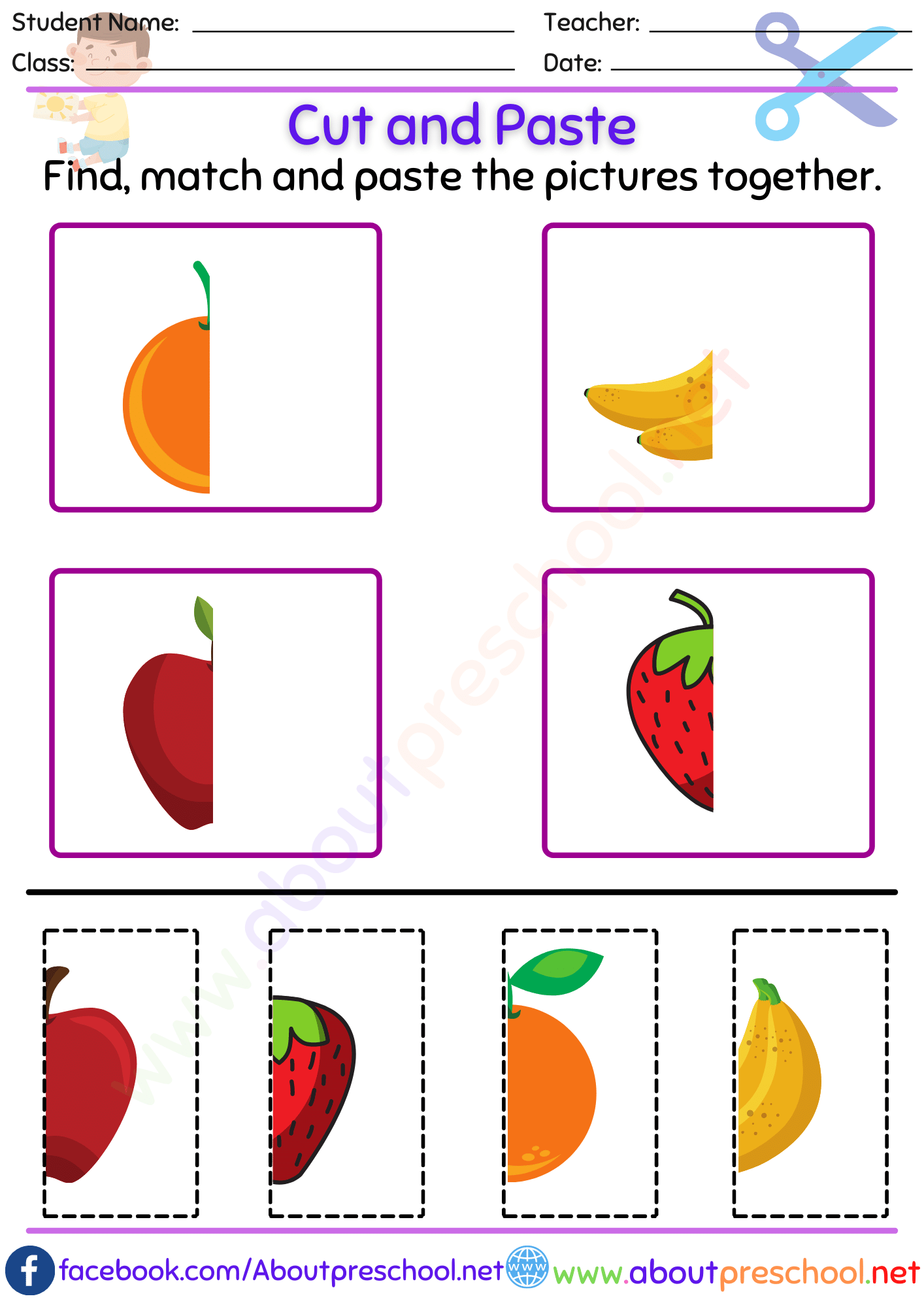
The Importance of Cut and Paste Activities
Cut and paste activities are essential for young learners, particularly those in preschool and early elementary grades. These tasks require children to use scissors and glue, which helps refine their hand-eye coordination and dexterity. Moreover, these activities promote creativity as kids can create their own designs and stories.
You’ll find that children are often more engaged when they can manipulate materials and create something tangible. This hands-on approach not only solidifies learning concepts but also makes the process enjoyable.
Types of Cut and Paste Activities
There are various types of cut and paste activities suitable for kids, each targeting different skills and concepts. Here are a few examples you can easily implement:
1. Thematic Worksheets
Thematic worksheets incorporate subjects like seasons, animals, or holidays. For instance, a spring-themed worksheet might include cutouts of flowers and butterflies that children can paste onto a landscape scene. This not only teaches them about the season but also allows for creative expression.
2. Story Sequencing
Story sequencing activities involve providing children with images or sentences that they must cut out and arrange in the correct order. This helps develop their comprehension skills and understanding of narrative structure. You might find a story about a caterpillar turning into a butterfly, where kids can cut out each stage of the caterpillar’s transformation and glue them in order.
3. Collage Making
Collages allow children to explore their artistic side while developing their cutting and pasting skills. You can provide them with magazines or printouts of various images, and let them create a themed collage. This could tie into a lesson on habitats, for example, where they cut out images of different animals and plants to create their own ecosystem.
Selecting the Right Materials
When preparing cut and paste activities, the choice of materials is crucial. Here are some tips for selecting the best resources:
Paper Types
- Standard Printer Paper: Good for most activities, but may not hold up well if children are using a lot of glue.
- Cardstock: More durable and can withstand heavier use, making it ideal for templates that will be reused or handled frequently.
- Colored Paper: Offers a vibrant alternative that can enhance the visual appeal of the activities.
Scissors
Choose safety scissors designed for young children. These are typically blunt-tipped and easier for little hands to manage. You might also consider providing different types of scissors that create decorative edges, which can add an extra layer of fun to their projects.
Glue Options
Liquid glue can be messy, so consider using glue sticks or dot glue, which are easier for children to apply without creating a mess. Make sure to have plenty of glue available, as kids tend to use more than anticipated!
How to Use Cut and Paste Activities in a Learning Environment
Integrating cut and paste activities into your teaching routine can be seamless. Here are some strategies to help you get started:
Daily or Weekly Activities
Set aside specific times during the week for these activities. This helps children know what to expect and builds excitement. For example, “Crafty Mondays” can be a great way to kick off the week with hands-on learning.
Incorporate Into Lesson Plans
Align cut and paste activities with your lesson plans. If you’re teaching a unit on the solar system, provide cutouts of planets for students to paste in the correct order. This reinforces learning objectives while keeping the children engaged.
Group Projects
Encourage collaboration by having students work in pairs or small groups. This not only fosters teamwork but also allows them to share ideas and create something collectively. You might assign each group a theme, and they can present their finished project to the class.
Downloadable Resources for Teachers and Parents
To make it easier for you to implement these cut and paste activities, a variety of downloadable resources are available. These include:
- Printable Worksheets: Ready-to-use worksheets with fun themes tailored for different age groups.
- Templates for Collages: Pre-designed templates that children can fill in with their cutouts.
- Story Sequencing Cards: Sets of cards that can be printed for story-related activities, facilitating comprehension and sequencing skills.
These resources can often be downloaded in PDF format, ensuring that they maintain their layout and formatting when printed. Always check the sizing before printing; most templates are designed for standard letter-sized paper (8.5 x 11 inches).
Tips for Successful Cut and Paste Activities
Here are some practical tips to ensure your cut and paste sessions run smoothly:
- Preparation is Key: Pre-cut some pieces if you’re working with younger children who may struggle with scissors. This allows them to focus more on the gluing and arranging aspects.
- Organize Materials: Have all materials laid out in an organized manner before starting. This includes scissors, glue, paper, and any printouts.
- Set Clear Expectations: Explain the activity clearly and demonstrate how to use the materials. Children often benefit from seeing how to handle scissors safely and how much glue to apply.









