Connecting dots worksheets for kindergarten are an effective way to combine fun and education. These worksheets engage young children in a playful learning experience while helping them develop essential skills such as hand-eye coordination, number recognition, and fine motor abilities. As a teacher or parent, you may be looking for resources that are not only entertaining but also educational. This guide will provide you with practical insights into using connecting dots worksheets effectively in your teaching or at home.
What Are Connecting Dots Worksheets?
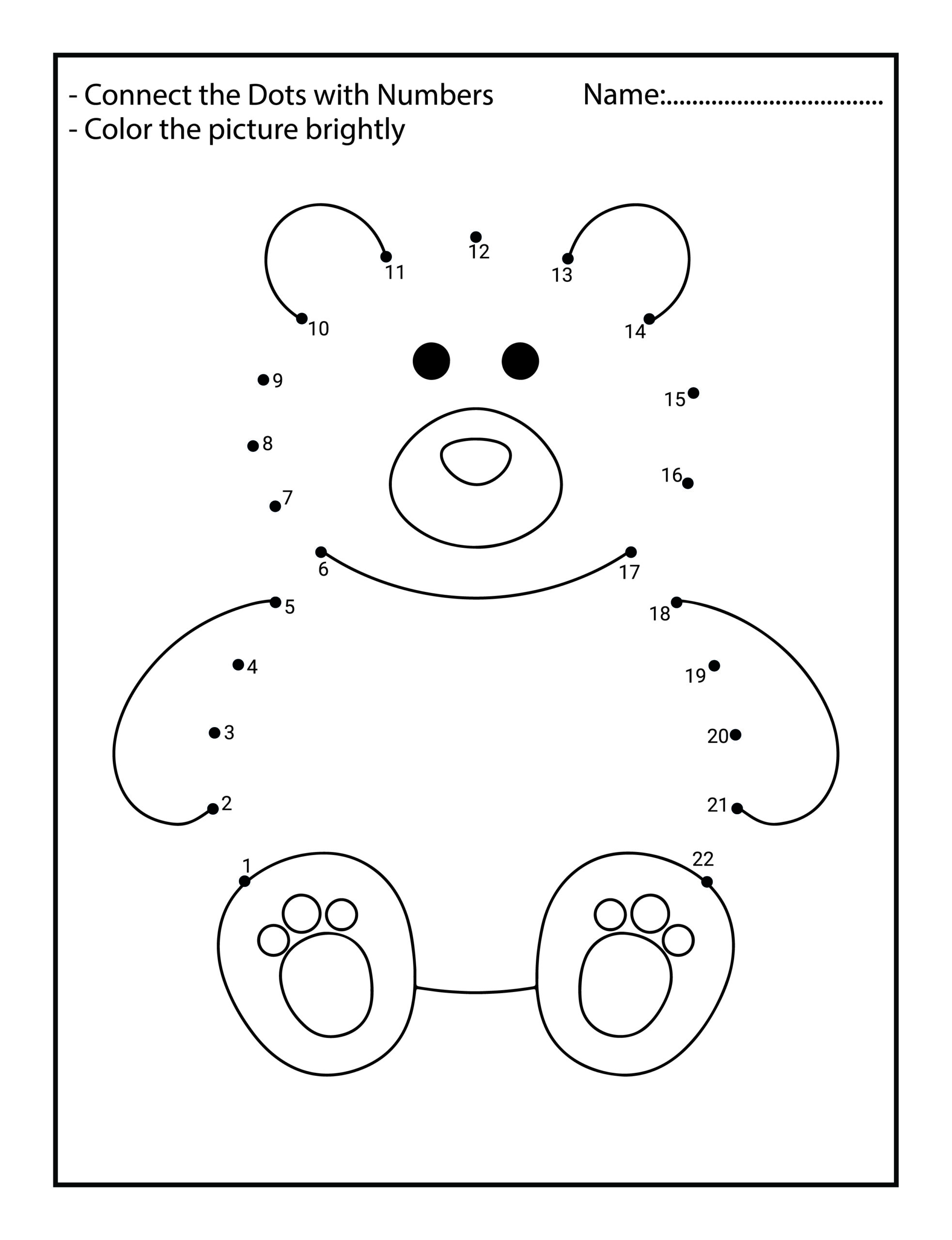
Connecting dots worksheets are simple yet engaging activities designed for young learners, typically in preschool and kindergarten settings. The activity involves a series of numbered dots that children connect in sequence to reveal a picture. This process not only captivates their interest but also encourages them to practice counting and improve their pencil grip.
Educational Benefits
Using connecting dots worksheets offers several educational benefits:
- Fine Motor Skills: As children draw lines between dots, they enhance their grip and control, which are crucial for writing.
- Counting Skills: The numbered dots help reinforce counting and number recognition in a fun way.
- Visual Perception: Connecting dots helps children develop their visual-spatial skills as they learn to follow directions and patterns.
How to Use Connecting Dots Worksheets
Integrating connecting dots worksheets into your teaching or home learning can be straightforward. Here are some practical tips to help you get started:
1. Choose the Right Worksheets
Look for worksheets that are appropriate for your child’s age and skill level. For kindergarteners, select worksheets that feature simple shapes or characters they are familiar with, such as animals, vehicles, or seasonal themes.
2. Print and Prepare
When you’re ready to print the worksheets, consider the following:
- Paper Type: Standard printer paper works well, but using cardstock can make the sheets sturdier, especially for repeated use.
- Print Settings: For best results, select a portrait layout when printing. This orientation typically suits most home printers and provides enough space for children to connect the dots comfortably.
3. Provide the Right Tools
Make sure children have the right tools for connecting the dots. Crayons, colored pencils, or markers are excellent choices. Each option may offer a different tactile experience, so feel free to experiment and see what your child prefers.
4. Encourage Independence
While it’s essential to guide children initially, encourage them to complete the worksheets independently as they grow more confident. This fosters a sense of accomplishment and builds their self-esteem.
Creative Ways to Enhance the Experience
Using connecting dots worksheets can be even more enjoyable with a few creative twists:
1. Themed Worksheets
Incorporate seasonal or holiday themes into your worksheets. For instance, connecting dots of a Christmas tree during the holiday season can make the activity more festive and engaging.
2. Combine With Storytelling
After completing a worksheet, encourage children to create a story about the image they revealed. This addition develops their imagination and language skills.
3. Use as a Group Activity
In a classroom setting, turn this activity into a group project. Children can work together to connect the dots, fostering teamwork and social skills. This collaborative effort can also lead to discussions about the images they are creating.
Where to Find Printable Connecting Dots Worksheets
Finding quality connecting dots worksheets for kindergarten is easier than ever. Many educational websites offer free downloadable resources. Here are a few tips for locating the best worksheets:
1. Educational Websites
Look for websites that specialize in educational resources for early childhood. These sites often have a range of worksheets tailored to different subjects and skills.
2. Teacher Resource Platforms
Platforms designed for teachers frequently offer printable worksheets, including connecting dots. These resources are typically vetted for educational value, ensuring they meet learning standards.
3. Community Forums and Blogs
Engage with online communities of educators and parents. Many share their favorite resources and may even offer their own worksheets for download.
Tips for Maximizing the Use of Connecting Dots Worksheets
To get the most out of connecting dots worksheets, consider these additional tips:
1. Monitor Progress
Keep track of your child’s progress with connecting dots activities. Note improvements in their fine motor skills and counting abilities over time. This monitoring can help you identify areas where they may need more practice.
2. Mix With Other Activities
Incorporate connecting dots worksheets into a broader learning plan. Pair them with other activities like coloring pages, puzzles, or crafts that emphasize similar skills.
3. Make It Fun
The goal is to create a positive learning environment. Celebrate your child’s achievements, no matter how small, to keep them motivated and excited about learning.









