Connecting the dots is not just a fun activity for kindergarteners; it’s a valuable educational tool that helps develop fine motor skills, hand-eye coordination, and number recognition. If you’re looking for effective resources that cater specifically to this age group, you’re in the right place. With a variety of printable options available, teachers can easily incorporate these into their lesson plans. Let’s explore how you can utilize Connect The Dots for Kindergarten in your classroom.
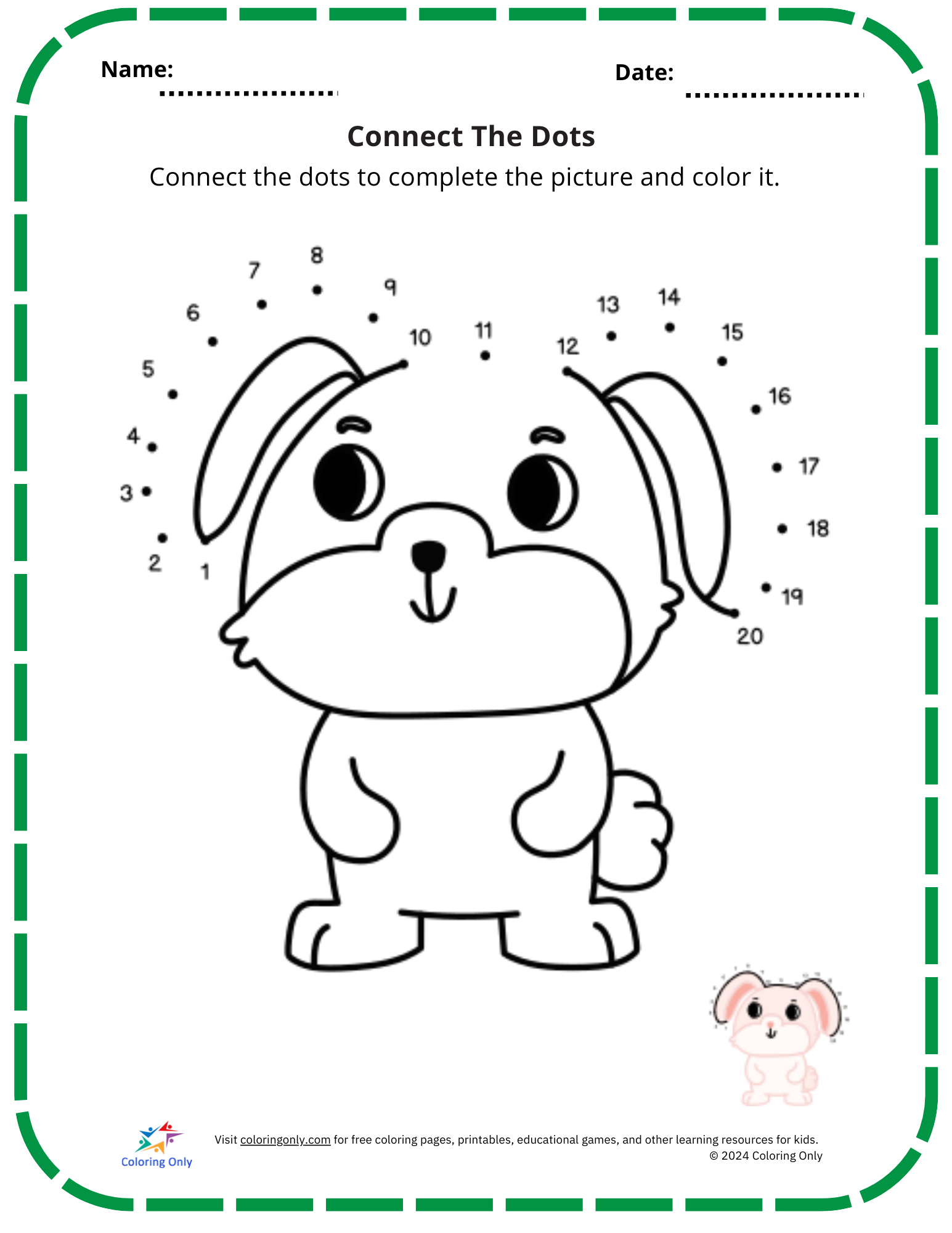
Benefits of Connect The Dots for Young Learners
Engaging children in activities like connect the dots provides numerous developmental benefits. Here are a few key advantages:
- Fine Motor Skills Development: As children practice drawing lines between dots, they strengthen the small muscles in their hands and fingers. This skill is foundational for writing and other tasks.
- Cognitive Skills: Connect the dots encourages problem-solving and critical thinking. Kids learn to follow sequences, recognize patterns, and understand numerical order.
- Visual Perception: This activity helps children improve their visual tracking skills, which are crucial for reading and other academic tasks.
- Creativity: Once the dots are connected, children can color their creations, allowing for self-expression and creativity.
Choosing the Right Printable Templates
When selecting Connect The Dots for Kindergarten templates, consider the following factors to ensure you get the most out of your resources:
- Age Appropriateness: Look for templates designed specifically for kindergarteners. These usually feature simple shapes and a limited number of dots.
- Theme and Interest: Choose templates that align with your current curriculum or the interests of your students. Themes can include animals, vehicles, or seasonal motifs.
- Printable Format: Most resources come in PDF format, which is ideal for printing. PDFs maintain formatting, ensuring that your students get a clear and consistent design.
Downloading and Printing Your Resources
Once you’ve found the perfect Connect The Dots for Kindergarten templates, the next step is downloading and printing them. Here’s how to prepare your resources effectively:
- Download Format: Ensure the resources are in PDF format. This will help you avoid any reformatting issues that might occur with other file types.
- Printer Setup: Use a standard home or classroom printer. Set your printer to “Portrait” layout for most connect-the-dots sheets, as this orientation typically works best.
- Paper Choice: For best results, consider using heavier paper or cardstock, especially if you plan to laminate the sheets for repeated use. Standard printer paper works too, but it may not hold up as well over time.
- Print Settings: Adjust your print settings to ensure that the dots are clearly visible. A good practice is to select “Fit to Page” to ensure the entire design prints correctly.
Ideas for Using Connect The Dots in the Classroom
Integrating Connect The Dots for Kindergarten into your lessons can be both fun and educational. Here are some creative ideas for classroom use:
- Warm-Up Activity: Start your day with a connect-the-dots activity. It’s a great way to settle students into the classroom and prepare them for learning.
- Thematic Units: Tie in the connect-the-dots activities with your thematic units. For example, if you’re discussing animals, use animal-themed connect the dots.
- Group Work: Encourage collaboration by having students work together on larger connect-the-dots projects. They can take turns connecting the dots and discussing the images that emerge.
- Assessment Tool: Use these activities as informal assessments. Observe how well students follow the sequence and determine if they understand numerical order.
Adapting Connect The Dots for Different Learning Styles
Every child learns differently, and adapting activities to meet those needs can enhance learning outcomes. Here are some adaptation ideas for Connect The Dots for Kindergarten:
- Color-Coding: For students who may struggle with number recognition, consider color-coding the dots. Use different colors for each number to help guide them.
- Interactive Learning: Use a whiteboard to create a large connect-the-dots activity. This allows the whole class to participate and engage in discussions about what they are creating.
- Story Integration: Incorporate storytelling by having students create a story about the object they connect. This fosters creativity and encourages verbal skills.
Final Touches and Next Steps
After the students have completed their connect-the-dots activities, consider adding a few finishing touches:
- Display Their Work: Create a classroom gallery showcasing their completed worksheets. This not only boosts their confidence but also fosters a sense of community.
- Encourage Repetition: Allow students to color their images after connecting the dots. This adds another layer of engagement and reinforces the learning experience.
- Send Home for Practice: Provide parents with additional connect-the-dots sheets for home practice. This can help reinforce the skills learned in class and keep students engaged outside school.
Incorporating Connect The Dots for Kindergarten into your teaching toolkit can enhance learning across multiple domains. So go ahead, download your templates, set up your printer, and get ready to inspire your students with this engaging and educational activity!









