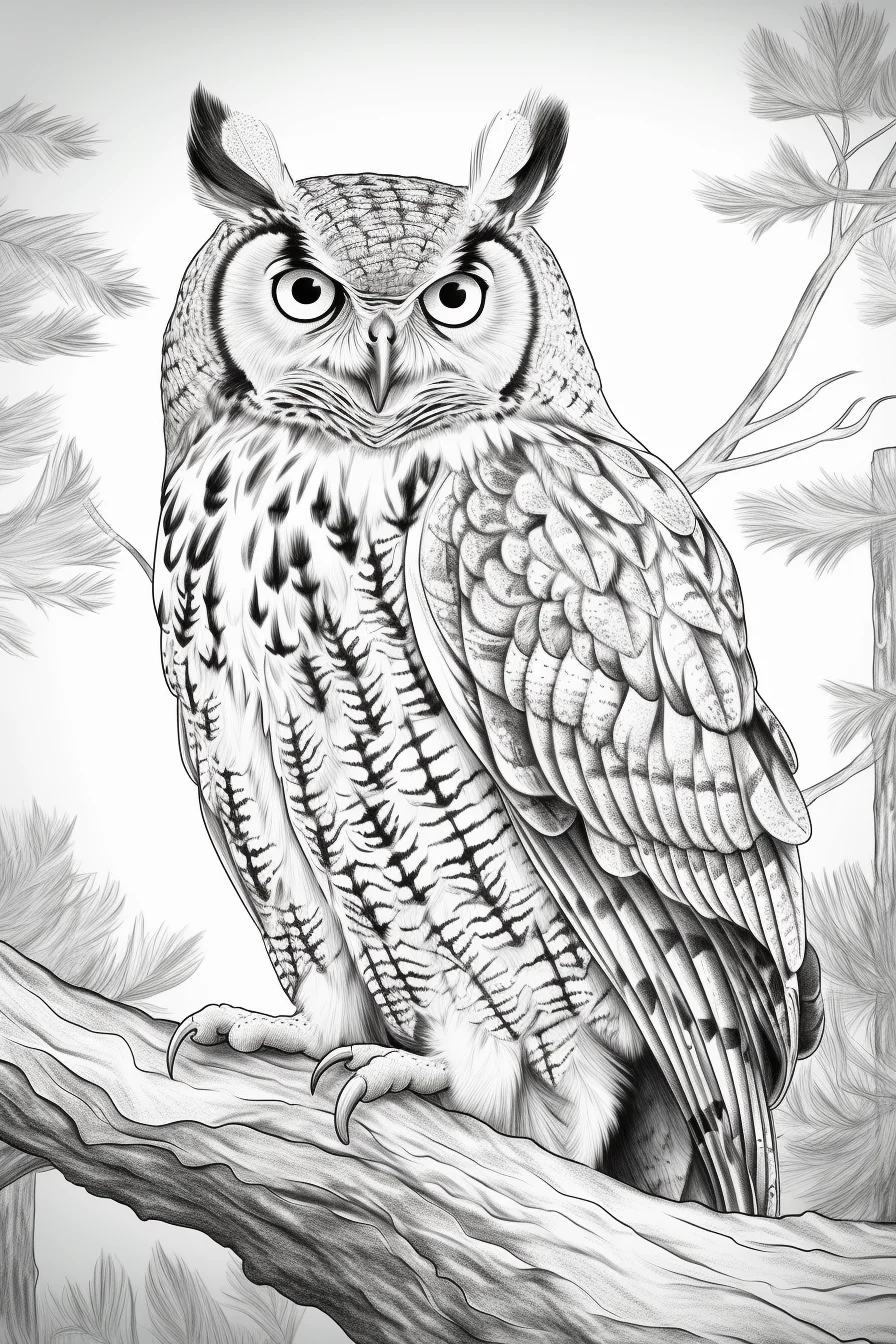
Coloring pages of realistic animals provide an excellent way to engage children while fostering creativity and fine motor skills. These coloring pages are not just fun; they can be educational as well, allowing kids to learn about various species and their habitats. If you are a teacher looking for classroom activities or a parent seeking engaging content at home, these printable resources will meet your needs.
Choosing the Right Coloring Pages
When selecting coloring pages of realistic animals, consider the age and skill level of the children. Younger children may benefit from simpler designs with larger areas to color, while older kids might enjoy more intricate images that challenge their skills. Look for pages that feature a variety of animals to pique interest and encourage discussion about wildlife.
It’s also essential to consider the themes you want to explore. For instance, pages that showcase animals from different environments—like jungles, oceans, and savannahs—can be a great way to incorporate lessons about ecosystems. You can find resources that categorize animals by habitat, making it easier to integrate these coloring pages into your lesson plans.
Materials for Printing and Coloring
The materials you choose for printing and coloring can enhance the overall experience. Here are some practical tips:
- Paper Type: Opt for a heavier cardstock for durability, especially if you plan to laminate the finished pages. Standard printer paper can work, but it may not hold up as well to markers or heavy coloring.
- Printer Settings: Use a portrait orientation for most coloring pages, as this layout typically suits home printers better. Ensure you select the best quality print setting to capture all the details in the images.
- Coloring Tools: Provide a variety of coloring tools—crayons, colored pencils, and markers. Each offers a different texture and finish, allowing children to explore their creativity in various ways.
Creative Uses for Finished Coloring Pages
Once children have colored their pages, consider several creative ways to utilize their artwork. Here are some ideas:
- Framing: Choose a few standout pieces and frame them to create a mini art gallery at home or in the classroom. This not only boosts children’s confidence but also makes them proud of their work.
- Gifts: Use the finished pages as personalized cards for family members or friends. Children can add messages or signatures, making each card unique.
- Portfolios: Encourage children to keep a portfolio of their colored pages. This can be a fun way to track their progress over time and celebrate their artistic development.
Integrating Coloring Pages Into Learning Activities
Coloring pages can be a great tool for reinforcing learning in a variety of subjects. Here are some ideas for integrating them into your curriculum:
- Art Lessons: Use realistic animal coloring pages to teach children about different artistic techniques, such as shading and blending. Discuss how color choices can affect the mood of a piece.
- Science Projects: Pair coloring activities with lessons on animal biology or ecology. For instance, after coloring a lion, discuss its habitat, diet, and role in the ecosystem.
- Creative Writing: Have students create a story or poem based on the animal they colored. This can enhance their language skills and encourage imaginative thinking.
Finding Quality Coloring Pages of Realistic Animals
There are many online resources available for downloading high-quality coloring pages of realistic animals. Here are some tips for finding the best options:
- Check for Licensing: Ensure that the pages you select are free to use or come with a license that allows for printing in educational settings.
- Look for Variety: Choose websites that offer a range of animals and styles to keep children engaged. Some sites may categorize pages by difficulty level or theme, making it easier to find what you need.
- Read Reviews: If you’re unsure about the quality of the pages, look for reviews or recommendations from other teachers or parents. This can help you avoid sites that offer low-quality images or poorly designed pages.









