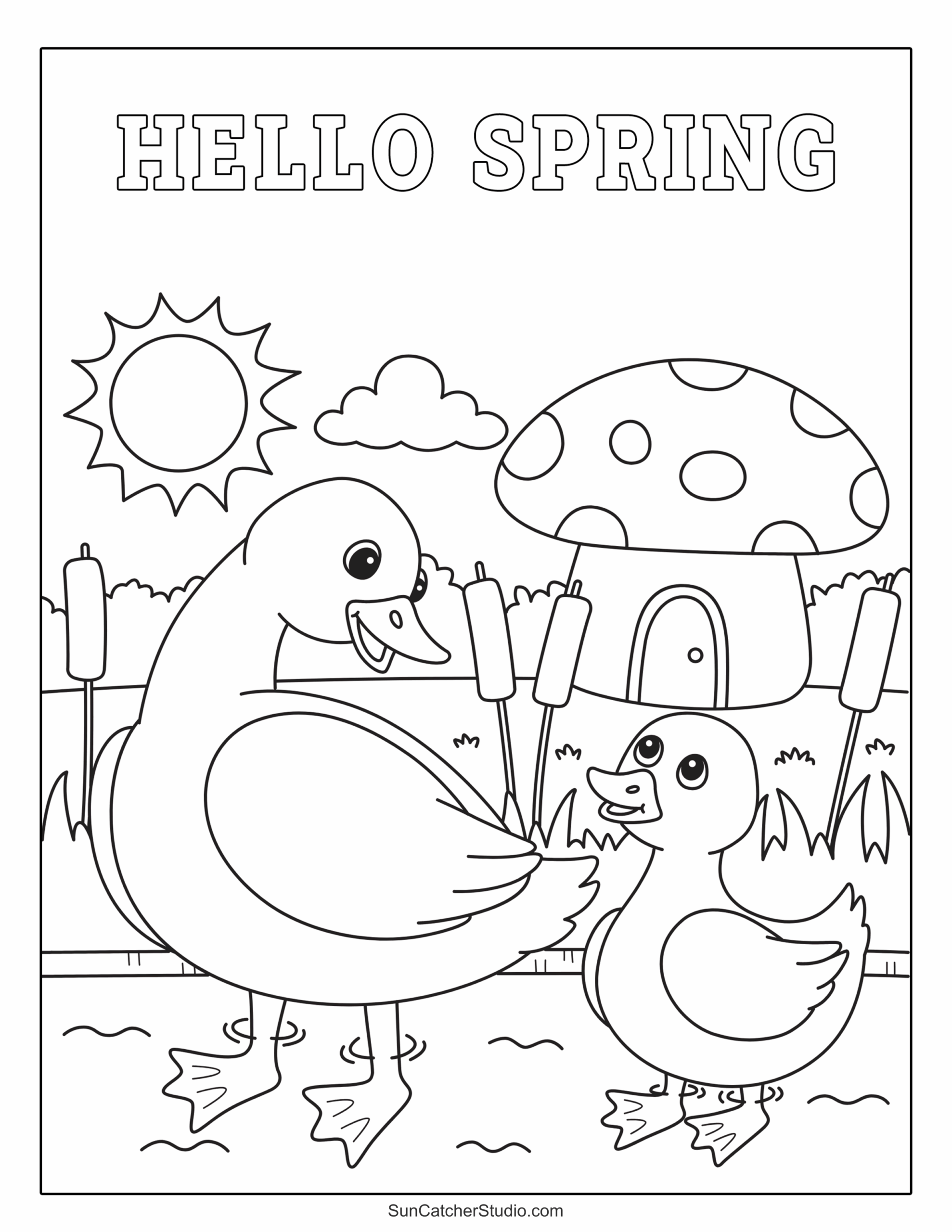
Coloring pages for kids spring are an excellent way to engage young learners while celebrating the season. These resources can serve multiple purposes in the classroom or at home, from quiet-time fillers to creative extensions of spring-themed lessons. When selecting coloring pages, teachers and parents should consider age appropriateness, themes, and printing details to maximize their effectiveness and enjoyment.
Age Appropriateness and Themes
When choosing coloring pages, it’s essential to align them with the developmental stages of children. For preschool and kindergarten students, opt for simple designs featuring large areas to color, like flowers, butterflies, and sunshines. These designs help develop fine motor skills and encourage creativity without overwhelming young artists.
For older children, such as those in grades 1-3, consider more intricate designs that include seasonal elements like gardening, picnics, or nature scenes. These pages can introduce more detailed coloring techniques and themes that spark discussions about science and nature, reinforcing what they learn in the classroom.
Look for themes that resonate with spring, such as:
- Flowers and plants
- Animals emerging from hibernation
- Spring holidays (like Easter)
- Outdoor activities (like kite flying or gardening)
By focusing on these themes, teachers can create a vibrant learning atmosphere that connects art with the joys of spring.
Creative Uses in the Classroom
Coloring pages can serve various educational purposes beyond just being a fun activity. Here are some practical ways to integrate these resources into your teaching:
Quiet Time Activity
Print a selection of spring coloring pages for quiet time or free choice periods. This allows children to explore their creativity while giving teachers a moment to focus on other tasks. Set up a coloring station with crayons, colored pencils, and markers, making it an inviting space for children to express themselves.
Art Integration
Use coloring pages as a part of a larger art project. For example, after coloring, students can cut out their designs and assemble them into a spring collage. This integration encourages teamwork and creative thinking, as students can share their ideas and techniques with one another.
Thematic Lessons
Incorporate coloring pages into thematic lessons. For instance, if teaching about plant life cycles, provide a coloring page featuring a flower’s stages of growth. After coloring, discuss the life cycle and its importance in nature. This method reinforces learning through hands-on activities, making the lesson more memorable.
Printing Tips for Optimal Results
To ensure the best results when printing coloring pages, keep the following tips in mind:
- Paper Selection: Use standard printer paper for everyday coloring pages. However, for pages that will be used with watercolors or markers, consider using heavier cardstock. This prevents bleeding and allows for a better coloring experience.
- Printer Settings: Check your printer settings to ensure optimal print quality. For most coloring pages, the “Best” or “High Quality” setting will produce clearer lines. Make sure to select the correct paper size, typically 8.5 x 11 inches for standard coloring sheets.
- PDF Format: If available, download coloring pages in PDF format. PDF files maintain their formatting better than image files, reducing the likelihood of distortion when printed.
- Coloring Tools: Provide a variety of coloring tools, such as crayons, colored pencils, and markers. Each tool offers different textures and experiences, encouraging creativity and experimentation.
Downloading and Accessing Resources
Finding high-quality coloring pages can be straightforward if you know where to look. Many educational websites offer free or low-cost printable resources. When downloading, consider the following:
- Reputable Sources: Choose websites known for educational content. Look for sites that provide clear descriptions and preview options for the coloring pages.
- Community Contributions: Some websites allow teachers to upload their own designs. This can be an excellent way to find unique and engaging coloring pages tailored to specific themes or age groups.
- Accessibility: Ensure the resource is easy to download and print. A user-friendly interface saves time and allows for immediate access to materials when needed.
By focusing on these details, teachers and parents can find the right coloring pages for kids spring that fit their educational needs.
Engaging Children Beyond Coloring
While coloring is a fantastic way for kids to express creativity, consider extending the activity beyond the page. Here are a few ideas to enhance the experience:
Storytelling
Encourage children to create a story based on their colored images. After completing their pages, have students share their stories with classmates or family members. This activity combines art with literacy, stimulating imagination and verbal skills.
Seasonal Discussions
Use the completed coloring pages as a springboard for discussion about the season. Talk about the changes in nature, weather patterns, and the importance of spring in different cultures. Engaging children in conversation about their artwork fosters critical thinking and connection to the material.
Displaying Artwork
Create a classroom or home gallery where children can display their completed coloring pages. This not only boosts their confidence but also encourages pride in their work. Consider organizing a mini-exhibition where kids can invite family or classmates to view their creations.
By expanding the activity beyond simple coloring, children can gain a more holistic understanding of spring and its significance.









