Color By Color Word Worksheets are an excellent resource for educators and parents looking to make learning engaging and interactive. These worksheets combine color recognition with vocabulary building, making them an effective tool for young learners. Typically available in PDF format, these worksheets are easy to download, print, and use right away, allowing you to integrate them into your lesson plans or at-home learning activities seamlessly.
Understanding the Layout of Color By Color Word Worksheets
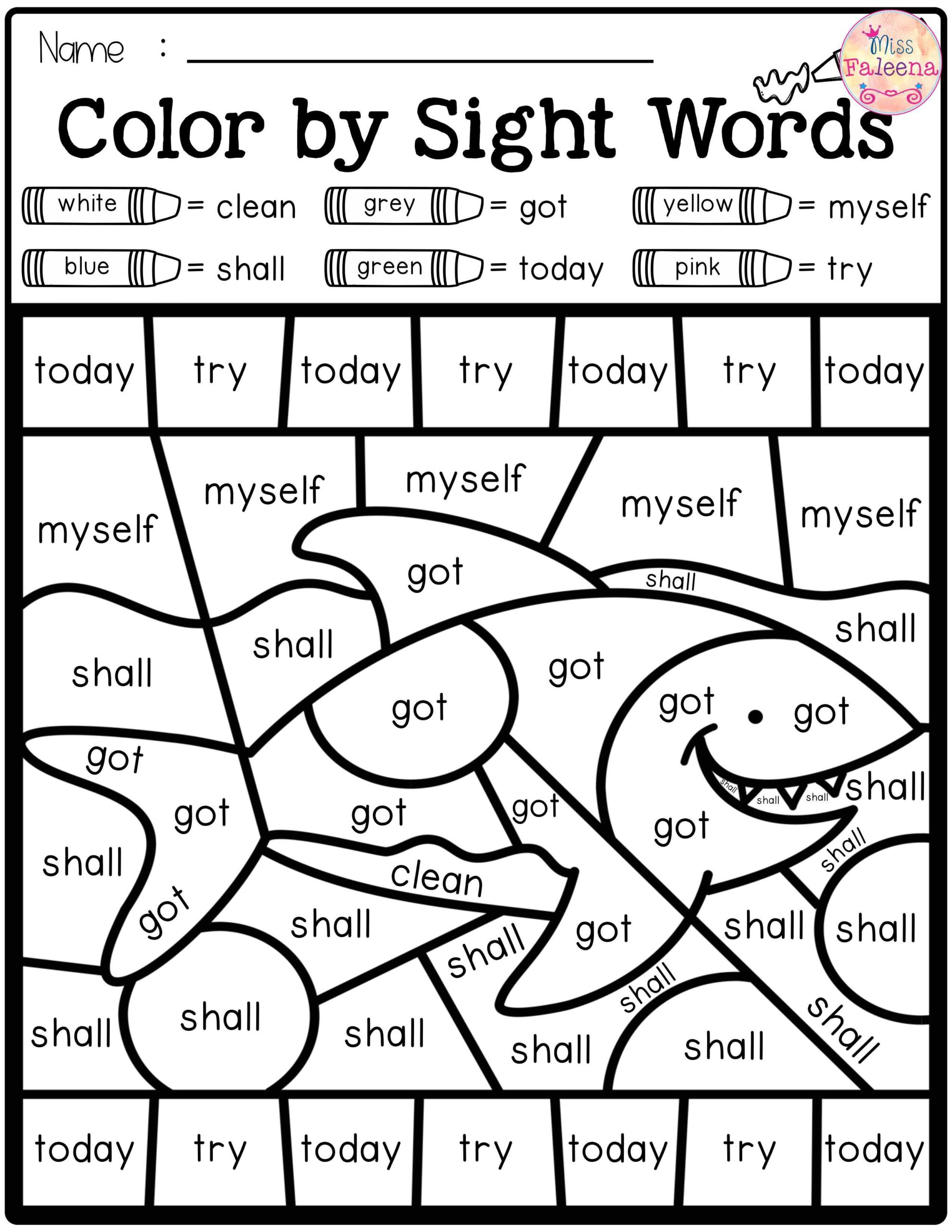
When you first look at a Color By Color Word Worksheet, you’ll notice a few key features that make them effective for teaching. Each worksheet typically includes a large image divided into sections, each labeled with a specific word. The sections are designed to be colored in based on the corresponding words, which are often color-coded.
For example, you might see a picture of a garden where different flowers are labeled with words like “rose,” “daisy,” and “sunflower.” Each word corresponds to a color, so students learn both the vocabulary and proper color association as they fill in the image. This layout isn’t just visually appealing; it encourages students to engage with the material actively.
Practical Uses in the Classroom
Color By Color Word Worksheets are versatile tools in the classroom. Here are some practical applications:
- Vocabulary Reinforcement: As students color, they’re also reinforcing their understanding of the words associated with the colors. This dual-action learning helps solidify the vocabulary in their minds.
- Group Activities: These worksheets can be printed for group activities. You can assign different worksheets to small groups, promoting teamwork as they discuss the words and colors they are using.
- Individual Learning: For students who may need extra support, these worksheets can serve as individual practice. They allow for self-paced learning, where students can take their time to understand the vocabulary without pressure.
- Thematic Units: Integrate these worksheets into thematic units. For example, if you’re teaching about spring, a worksheet featuring flowers can enhance the lesson while tying in art.
Tips for Printing and Using Color By Color Word Worksheets
When it comes to getting the most out of your Color By Color Word Worksheets, here are some tips you might find helpful:
- Paper Choice: For best results, print these worksheets on heavier paper or cardstock. This will prevent the paper from wrinkling when students color and allow the colors to show more vibrantly.
- Printer Settings: Set your printer to the best quality for color printing. This ensures that the colors are accurate and bright, making the worksheets more engaging for students.
- Coloring Materials: Provide a variety of coloring materials. Crayons, colored pencils, and markers each offer different textures and finishes. Experimenting with different materials can enhance the coloring experience.
- Laminating: If you plan to use the worksheets multiple times, consider laminating them. This way, students can use dry-erase markers to color and then wipe them clean for reuse later.
Creative Uses Beyond the Classroom
While these worksheets are fantastic for classroom use, they can also be creatively incorporated into home learning or family activities. Here are a few ideas:
- Gifts for Family: Once completed, these worksheets can be framed or given as gifts to family members. Children love sharing their creations, and this adds a personal touch to traditional gift-giving.
- Portfolio Building: Encourage students to keep a portfolio of their completed worksheets. This not only tracks their progress but also serves as a great way to showcase their work over time.
- Seasonal Themes: Adapt the use of these worksheets for different seasons or holidays. For instance, create a winter-themed worksheet featuring snowmen labeled with winter vocabulary.
Benefits of Using Color By Color Word Worksheets
The benefits of using Color By Color Word Worksheets extend beyond just vocabulary acquisition. Here are some key advantages:
- Engagement: The combination of coloring and learning keeps students engaged. When children interact with the material in a fun way, they are more likely to retain what they learn.
- Fine Motor Skills Development: Coloring helps develop fine motor skills, which are essential for young learners as they progress in their writing and drawing capabilities.
- Visual Learning: Many children are visual learners. The colorful images and the act of coloring help reinforce their understanding of words and their meanings.
- Stress Relief: Coloring can be a calming activity. It offers a break from more intensive learning tasks, allowing children to relax while still engaging their minds.









