In a cozy classroom filled with vibrant colors, a group of kindergarteners buzzes with excitement as their teacher prepares for a fun learning activity. Today’s focus? Patterns! With the right resources, teachers can easily guide their students through the world of shapes and sequences. Preschool Pattern Worksheets For Kindergarten are invaluable tools that not only enhance learning but also make it enjoyable. These worksheets can be quickly printed and utilized, ensuring that educators can seamlessly integrate them into their lesson plans.
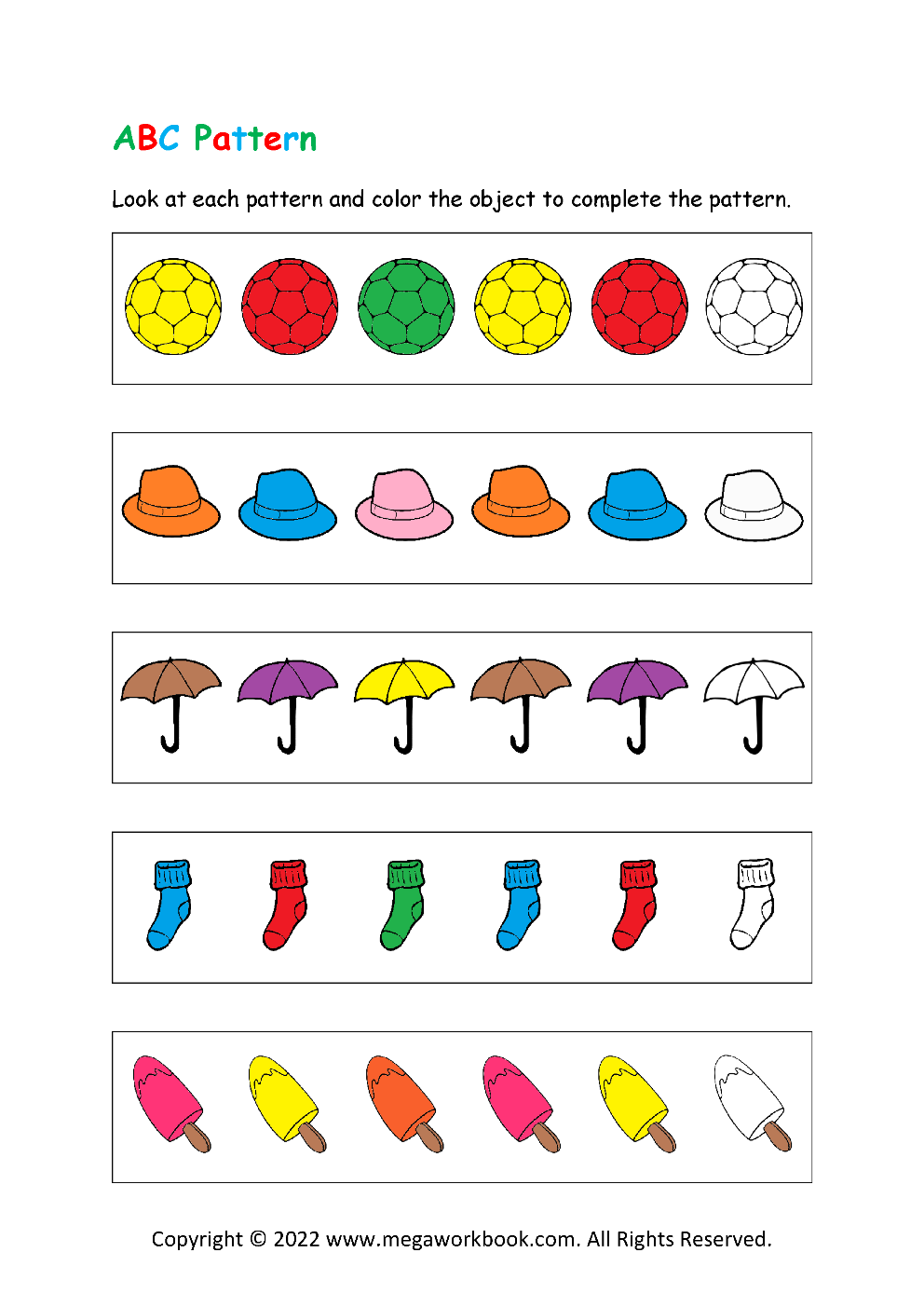
Understanding Patterns in Early Education
Patterns are fundamental concepts that lay the groundwork for mathematical reasoning. Children learn to recognize and predict sequences, which is crucial for their cognitive development. By introducing pattern worksheets tailored for preschoolers, educators can foster a love for math and help students develop critical thinking skills.
When selecting worksheets, it’s essential to choose those that are age-appropriate and engaging. Look for resources that incorporate colorful images and relatable themes, as these can captivate young learners’ attention. Worksheets that feature animals, everyday objects, or favorite characters can make the learning experience more enjoyable.
Features to Look for in Worksheets
When evaluating Preschool Pattern Worksheets For Kindergarten, consider the following features to ensure they meet educational goals:
- Variety of Patterns: Worksheets should include different types of patterns, such as ABAB, AABB, and ABC formats. This variety helps children understand and recognize patterns in various contexts.
- Visual Appeal: Bright colors and engaging illustrations can make the worksheets more inviting. Children are more likely to participate and enjoy learning when materials are visually stimulating.
- Clear Instructions: Simple, straightforward directions are crucial. Worksheets should guide children on how to complete the tasks, making it easier for both teachers and students.
- Space for Creativity: Some worksheets may include sections where children can draw or create their patterns. This encourages creative thinking and personal expression.
- Printable Format: Ensure that the worksheets are easy to download and print. PDF formats often work best, as they maintain the layout and quality across different devices.
Practical Ways to Use Pattern Worksheets
Integrating these worksheets into everyday learning can be straightforward. Here are some practical suggestions for using Preschool Pattern Worksheets For Kindergarten effectively:
- Independent Practice: After a lesson on patterns, provide students with worksheets to practice independently. This reinforces what they have learned and builds confidence.
- Group Activities: Use worksheets in small groups to encourage collaboration. Students can work together to identify and complete patterns, fostering teamwork and communication skills.
- Homework Assignments: Send worksheets home as homework. This keeps parents involved in their child’s learning and reinforces skills outside the classroom.
- Interactive Learning Stations: Set up learning stations with various worksheets that focus on different aspects of patterns. Rotate students through these stations for a diverse learning experience.
- Assessment Tools: Use the worksheets as informal assessment tools to gauge students’ understanding of patterns. This can help identify students who may need additional support.
Enhancing Learning With Supplementary Activities
To further enrich the learning experience, consider combining worksheets with hands-on activities. Here are some engaging ideas:
- Pattern Games: Create games where children have to identify or create patterns using physical objects such as blocks, beads, or colored paper. This tactile experience reinforces the concepts learned through worksheets.
- Story Time Integration: Incorporate pattern-themed books during story time. Discuss the patterns found in the illustrations or storyline to create a cross-curricular connection.
- Art Projects: Encourage children to create their patterns using art supplies. They can draw or craft their patterns, which can later be shared with the class. This adds a personal touch to their learning.
- Movement Activities: Develop movement-based activities where children clap, stomp, or dance in patterns. This kinesthetic approach can help them internalize the concept of patterns in a fun way.
Where to Find Quality Preschool Pattern Worksheets
With numerous resources available online, finding quality Preschool Pattern Worksheets For Kindergarten can be overwhelming. Here are some reliable sources:
- Educational Websites: Websites dedicated to early childhood education often provide free or low-cost printable worksheets. Look for reputable sites that emphasize educational value and align with curriculum standards.
- Teacher Resource Stores: Many online stores cater to teachers, offering a wide variety of printable materials. These worksheets are often designed by educators and tested in classrooms.
- Community Resources: Local libraries or community centers may offer free printables or resources for educators. These can be excellent options for low-cost materials.
- Social Media and Teacher Groups: Join online teacher communities where educators share resources. Many teachers create and distribute their worksheets, which can be easily accessed and downloaded.
Tips for Effective Printing and Usage
Once the worksheets are selected, proper printing and usage can enhance their effectiveness. Keep these tips in mind:
- Use Quality Paper: Opt for cardstock or heavier paper for durability, especially if the worksheets will be handled frequently. This prevents tearing and makes the worksheets more resilient.
- Check Printer Settings: Ensure the printer settings match the paper size and type. Using the correct settings can prevent formatting issues and ensure a clean print.
- Laminating for Reuse: For worksheets that can be reused, consider laminating them. This allows students to complete them with dry-erase markers, making them suitable for multiple uses.
- Organize Worksheets: Keep a binder or folder to store printed worksheets. This organization helps access materials quickly and keeps the classroom tidy.
By implementing these strategies, educators can effectively use Preschool Pattern Worksheets For Kindergarten in their teaching. Incorporating these resources into learning not only supports skill development but also fosters a love for patterns and problem-solving in young learners.
For immediate action, consider downloading a few different worksheets today and preparing them for your next lesson. Engaging students with hands-on activities and visually appealing resources can make a significant difference in their learning journey.









