Number tracing worksheets for preschool are an effective way to help young learners develop their number recognition and fine motor skills. These worksheets are designed specifically for preschool-aged children, typically ages 3 to 5, and provide a hands-on approach to learning. With clear and engaging formats, these resources not only make learning numbers enjoyable but also lay the foundation for future math skills.
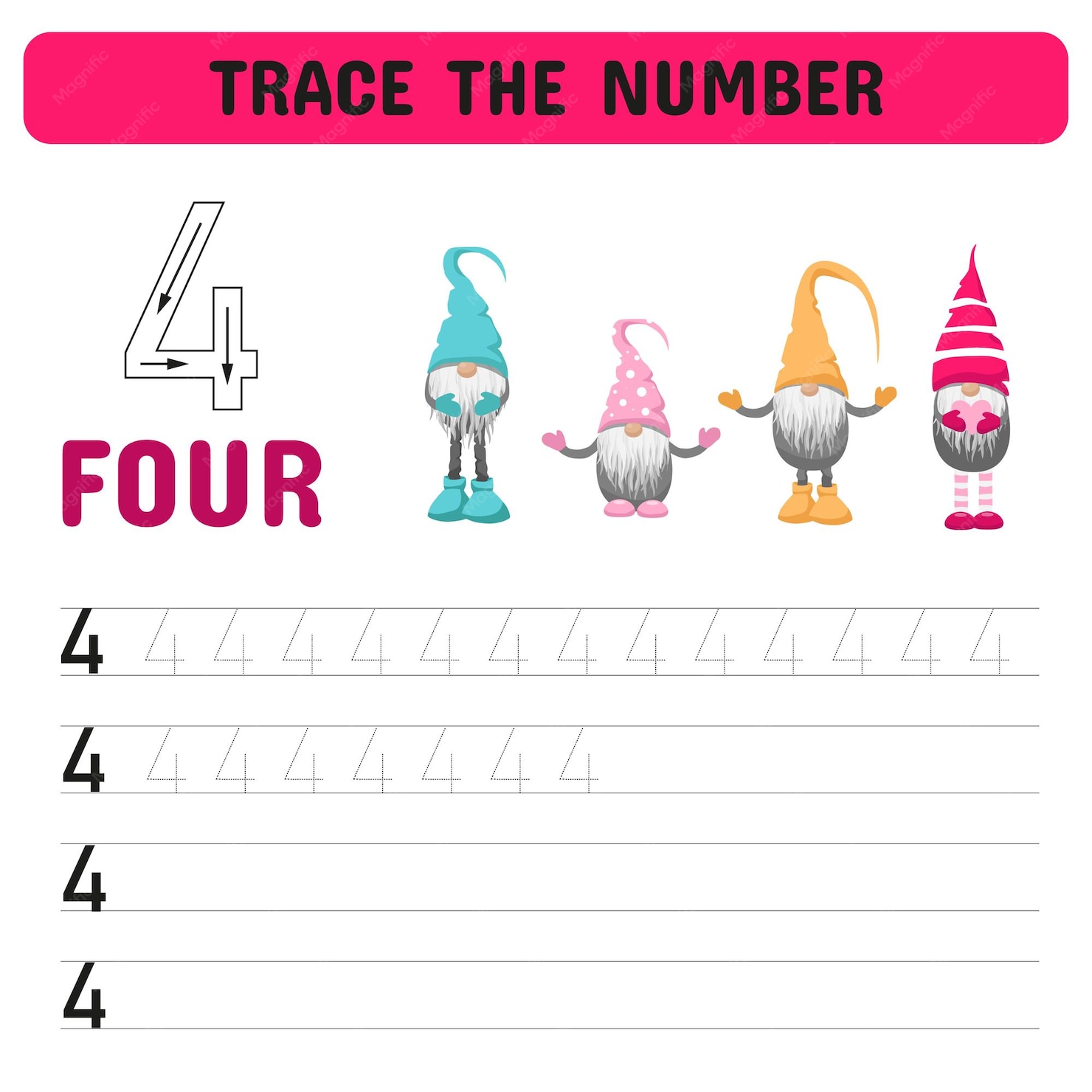
Understanding the Importance of Number Tracing Worksheets
Number tracing worksheets serve multiple purposes in a child’s educational journey. First and foremost, they help children learn to recognize numbers visually. By tracing numbers, children begin to associate the written numeral with its corresponding quantity. This connection is crucial for their early math understanding.
Additionally, these worksheets enhance fine motor skills. Tracing helps develop the small muscles in a child’s hands and fingers, which are essential for writing. The act of holding a pencil or crayon and moving it along the lines of a number teaches control and precision. This is an important step in building the skills necessary for writing letters and numbers independently later on.
Features of Effective Number Tracing Worksheets
When selecting number tracing worksheets for preschool, look for features that enhance the learning experience. Here are some key elements to consider:
- Clear Fonts: Worksheets should use simple, easy-to-read fonts. This helps children recognize the shapes of numbers without confusion.
- Guided Tracing Lines: Look for worksheets that provide dotted lines or arrows to guide children in tracing the numbers correctly. This scaffolding is essential for beginners.
- Visual Aids: Worksheets that include images or illustrations corresponding to each number can help reinforce the concept. For instance, a picture of three apples next to the number 3 aids in visual learning.
- Variety of Activities: Some worksheets may include additional activities, like coloring or counting objects, to make the learning process more dynamic and engaging.
How to Use Number Tracing Worksheets in Home Learning
Incorporating number tracing worksheets into your home learning routine can be straightforward and enjoyable. Here are practical steps to effectively use these resources:
- Set a Routine: Designate a specific time each day for number tracing. Consistency helps children form habits and look forward to learning.
- Create a Learning Space: Set up a quiet, well-lit area with the necessary supplies, such as pencils, crayons, and the worksheets. A comfortable and distraction-free environment enhances focus.
- Start with the Basics: Begin with tracing numbers 1 through 5. Once your child is comfortable, gradually introduce higher numbers. This approach prevents overwhelming them and builds confidence.
- Incorporate Play: Make learning fun by incorporating games. For example, after tracing a number, ask your child to find that many objects around the house. This reinforces the concept of quantity.
- Use Positive Reinforcement: Celebrate achievements, no matter how small. Praise your child for their efforts, and consider using stickers or a reward system to motivate them.
Selecting the Right Downloadable Resources
When looking for number tracing worksheets, you might find a variety of options online. Here are tips to help you choose the best resources:
- Check for Age Appropriateness: Ensure the worksheets are designed for preschoolers. They should be simple and not overly complicated.
- Look for PDF Format: PDFs are often easier to print and maintain the correct layout. Avoid formats that may distort when printed.
- Read Reviews: If available, look for feedback from other parents or teachers. This can provide insights into the effectiveness of the worksheets.
- Consider Customization Options: Some websites offer customizable worksheets where you can input specific numbers or even your child’s name. This personal touch can enhance engagement.
Printing Tips for Optimal Results
To get the best results when printing number tracing worksheets, here are some practical tips:
- Use Quality Paper: For best results, print on heavier paper, such as cardstock. This type of paper holds up better to repeated use and can withstand erasing or coloring.
- Select Portrait Orientation: Most worksheets are designed in portrait layout, which is generally easier for preschoolers to handle.
- Adjust Printer Settings: Ensure your printer settings are optimized for quality printing. Set the print quality to high to maintain clarity, especially for fine lines.
Engaging Activities to Pair With Number Tracing
To further enrich your child’s learning experience, consider incorporating additional activities alongside the number tracing worksheets:
- Counting Games: Use everyday objects like toys or snacks to practice counting. Ask your child to count out the same number of items as they traced on their worksheet.
- Outdoor Exploration: Go for a nature walk and ask your child to find numbers in their environment, such as on houses, cars, or signs. This reinforces number recognition in a real-world context.
- Art Projects: Have your child create their own number art. They can draw objects that correspond to the numbers they are learning. For example, drawing four stars for the number 4 can combine creativity with learning.









